- Usman Khan
- September 16, 2026
Field Marshal Asim Munir expected to travel to Iran
-

- Zafar Ali
- May 21, 2026
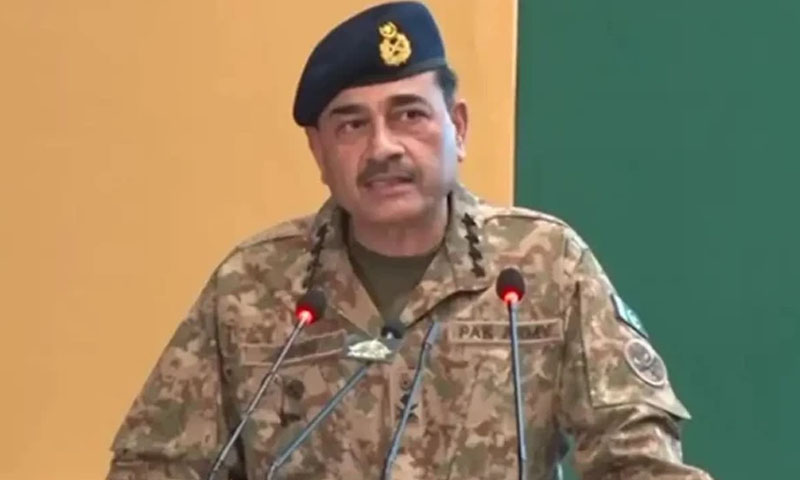
ISLAMABAD: Army Chief Field Marshal Syed Asim Munir is expected to travel to Tehran on Thursday for talks as part of ongoing mediation efforts between the United States and Iran, Iran’s sate media ISNA said quoting officials.
The expected visit comes as Pakistan continues to act as a channel for communication between Tehran and Washington, Iranian officials said, adding that multiple diplomatic channels remain active.
Pakistan’s Interior Minister Mohsin Naqvi is already in Tehran as part of the ongoing engagement.
Iran said earlier on Thursday it was reviewing the latest US position on ending the conflict, as President Donald Trump indicated he was prepared to wait a few days for Tehran’s response but warned of renewed military action if no agreement is reached.
“We have received US views and are reviewing them,” Iranian Foreign Ministry spokesperson Esmaeil Baghaei was quoted as saying by state media.
Trump, speaking to reporters, said Washington could allow limited time for negotiations but warned the situation would not remain open-ended.
“It could be a few days, but it could go very quickly,” he said, adding that he was waiting for “the right answers” from Tehran.
He reiterated that the United States would not allow Iran to acquire a nuclear weapon and warned that failure to reach a deal could trigger further escalation.
“We’re in the final stages of Iran. Either have a deal or we’re going to do some things that are a little bit nasty,” Trump said.
Six weeks after a fragile ceasefire, talks aimed at ending the conflict have made limited progress, even as global markets remain sensitive to developments in the region, particularly oil prices.
Domestic political pressure is also mounting on Trump ahead of upcoming midterm elections, with rising fuel costs weighing on his approval ratings.
Earlier, Iran’s Islamic Revolutionary Guard Corps warned against renewed military action.
“If aggression against Iran is repeated, the promised regional war will extend beyond the region this time,” it said in a statement.
Tehran has submitted a revised proposal to Washington this week, reportedly including demands previously rejected by Trump such as sanctions relief, unfreezing of assets and security arrangements in the Strait of Hormuz.
Tensions around Strait of Hormuz
The Strait of Hormuz, a key global energy shipping route, has seen reduced traffic since the conflict began.
Iran has proposed a “controlled maritime zone” in the strait requiring transit authorisation from a new authority, a move rejected by Washington, which says it would be unacceptable to impose restrictions or fees on passage.
Shipping data suggests increased but still limited movement through the waterway compared with pre-war levels, when up to 140 vessels passed daily.
Continued regional volatility
The wider conflict has resulted in heavy casualties across Iran, Israel and Lebanon, heightening concerns over regional stability and global energy security.
Despite months of fighting, Iran retains its nuclear material stockpile and missile capabilities, while internal political change has remained limited.
Both Trump and Israeli Prime Minister Benjamin Netanyahu have said their objectives include curbing Iran’s regional influence and dismantling its nuclear programme, though no comprehensive settlement has yet been reached.
You May Also Like