- Farah Mehjabeen
- September 14, 2026
Iran says reviewing US counter-proposal for peace
-

- Zafar Ali
- May 4, 2026
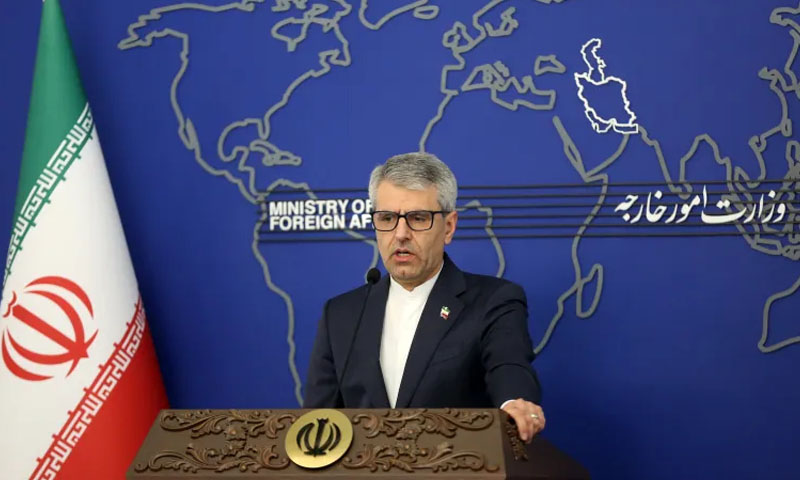
TEHRAN/DUBAI: Iran said on Monday that it was reviewing a US proposal to end the ongoing conflict, while warning Washington against any military intervention in the strategic Strait of Hormuz.
Foreign Ministry spokesperson Esmaeil Baghaei said Tehran had received a US counterproposal through Pakistan but declined to discuss details, saying the offer was still under review.
“The US message was received through Pakistan, and I will not discuss the details … because these issues are still under review,” Baghaei told reporters at a press conference.
He said that Washington’s “excessive and unreasonable demands” made the proposal difficult to assess.
He said that reports about negotiations over Iran’s nuclear programme were “mostly speculation” and stressed that the current focus remained on ending the war.
“We are not talking about anything other than stopping the war completely,” he said, adding that future steps would be determined later.
The diplomatic development came as tensions escalated in the Gulf, with Iran issuing a warning to the United States to stay out of the Strait of Hormuz after US President Donald Trump announced a potential mission to free commercial vessels stranded by the conflict.
Iran’s military said any US presence in the waterway would be considered a provocation and met with “decisive action,” underscoring what it described as a red line on foreign intervention.
The United States has said that it is considering action to assist crews trapped aboard ships in the Gulf, where hostilities have disrupted one of the world’s most critical oil shipping routes.
Trump said dozens of crews had been stranded for over two months, facing shortages of food and basic supplies, and pledged that Washington would take a leading role in securing their release.
The Strait of Hormuz, through which roughly a fifth of global oil supplies pass, has become increasingly dangerous due to ongoing hostilities, naval threats and the risk of mines, leaving shipping lanes largely paralysed.
Maritime industry sources said that several vessels are operating on emergency provisions, with limited access to fresh water and medical care, raising concerns over the welfare of hundreds of seafarers.
Efforts to establish a humanitarian corridor for stranded ships have so far failed, with Tehran and Washington trading blame over the impasse.
While the White House said that any intervention would be limited to humanitarian assistance, Iran views the move as a potential attempt to expand US military presence in the narrow waterway.
With both sides hardening their positions, the risk of a naval confrontation in the Gulf is rising, keeping global markets and shipping operators on edge.
You May Also Like

- WEB DESK
- September 14, 2026
Smartphone users to get ‘relief’ on PTA taxes through instalment plan

- WEB DESK
- September 14, 2026