- WEB DESK
- October 6, 2026
Iran sends revised proposal to US via Pakistan to end conflict
-

- Zafar Ali
- May 18, 2026
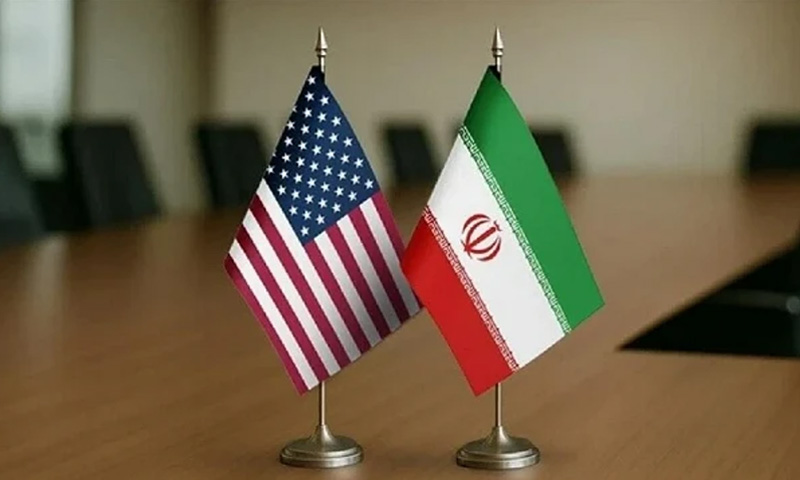
ISLAMABAD/WASHINGTON: Pakistan has shared with the United States a revised Iranian proposal aimed at ending the ongoing conflict in the Middle East, a Pakistani source familiar with the matter told Reuters on Monday, as diplomatic efforts to secure a ceasefire appeared to remain stalled.
The source did not provide details of the proposal but said negotiations were facing shifting demands from both sides.
“We don’t have much time,” the source said when asked whether gaps between the parties could be bridged, adding that both countries “keep changing their goalposts”.
The reported diplomatic exchange comes as Iran and the United States continue indirect contacts amid escalating tensions and competing ceasefire proposals, even as battlefield developments and regional security concerns complicate talks.
Iran’s foreign ministry spokesperson said Tehran was currently focused on ending the war, according to state media.
Meanwhile, US President Donald Trump, in an interview with Fortune magazine published on Monday, said Iran was eager to reach a deal but suggested negotiations remained unstable.
“I can tell you one thing—they’re dying to sign [a deal],” Trump said. “But they make a deal, and then they send you a paper that has no relationship to the deal you made.”
In separate remarks, Trump again warned Iran via social media that time was running out.
“For Iran, the clock is ticking, and they better get moving fast or there won’t be anything left of them. Time is of the essence,” he said on Truth Socials.
The developments come amid reports of US proposals placing multiple conditions on Iran as part of a potential peace framework.
According to Iranian media citing diplomatic sources, Washington has outlined five key demands, including limits on Iran’s nuclear programme and restrictions on enrichment levels.
The reports said that the United States has rejected Iranian demands for compensation for damage caused by strikes on Iranian territory, and has ruled out any financial reparations.
Washington is also said to have demanded the transfer of 400 kilogrammes of enriched uranium and restrictions limiting Iran’s nuclear activities to a single facility, while offering limited easing of frozen Iranian assets.
The proposals reportedly also include broader regional de-escalation talks covering Lebanon and other conflict zones.
In a separate development, US Secretary of State Marco Rubio said that operations in the Strait of Hormuz under “Project Freedom” were halted following Pakistan’s request.
Rubio said that Islamabad had argued that suspending the operation could help facilitate a potential agreement, adding that Washington had agreed to pause it to allow space for diplomacy.
He said President Trump preferred a negotiated settlement.
Separately, Iranian Parliament Speaker Mohammad Baqer Qalibaf, speaking after a meeting with Pakistan’s Interior Minister Mohsin Naqvi, said Tehran appreciated Islamabad’s support during the recent conflict.
He said Iran and Pakistan should expand cooperation in economic, cultural and other sectors, adding that continued US presence in the region contributed to insecurity.
“The presence of the United States in the region is a source of insecurity,” Qalibaf was quoted as saying by Iranian media, adding that regional states should strengthen trust and cooperation to improve political and security coordination.
Diplomatic observers say the competing proposals and public statements underscore the fragility of the ongoing negotiations, with no clear breakthrough in sight.