- Aasiya Niaz
- 7 Minutes ago
IRGC naval chief Alireza Tangsiri succumbs to injuries following Israeli air strike
-

- Web Desk
- 3 Minutes ago
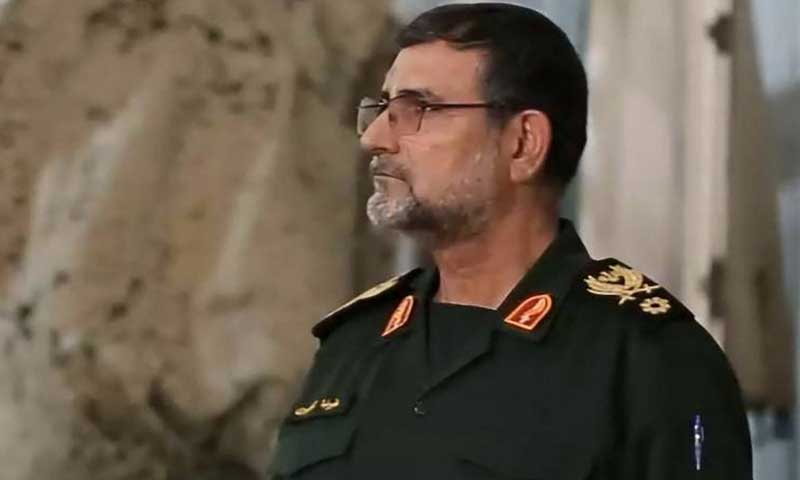
WEB DESK: Tehran has officially confirmed the death of Admiral Alireza Tangsiri, the Commander of the Islamic Revolutionary Guard Corps (IRGC) Navy, following a targeted Israeli air strike in the coastal city of Bandar Abbas.
The veteran commander, who had led Iran’s maritime forces since 2018, reportedly succumbed to critical injuries on Monday, 30 March 2026, after fighting for his life in a military hospital for four days, according to the Middle East Eye.
His passing marks one of the most significant blows to Iran’s military leadership in recent years, removing a key architect of the Islamic Republic’s naval strategy in the Persian Gulf and the strategic Strait of Hormuz.
A precision strike in Bandar Abbas
The fatal incident occurred on Thursday, 26 March, when the Israeli Defence Forces (IDF) launched a high-precision aerial operation targeting a military installation in southern Iran. Israeli officials, including Defence Minister Israel Katz, described the mission as a “surgical and lethal” response to Iranian naval provocations.
According to intelligence reports, Tangsiri was the primary target due to his direct involvement in orchestrating maritime blockades and the deployment of sea mines in international shipping lanes.
While initial reports from Jerusalem claimed the commander had been “eliminated” instantly, Tehran remained silent for several days before the IRGC’s official outlet, Sepah News, finally verified his martyrdom this morning.
Escalating tensions in the Strait of Hormuz
The death of Admiral Tangsiri is expected to trigger a period of intense volatility in regional security and global energy markets. Known as a hardline strategist, Tangsiri was instrumental in developing Iran’s “anti-access” capabilities, frequently threatening to shut down the Strait of Hormuz a vital chokepoint through which a fifth of the world’s oil passes.
As the IRGC prepares for a state funeral in Tehran, regional analysts warn of potential retaliatory measures against commercial shipping or Western naval assets. The international community is now closely monitoring the “Azerbaijan corridor” and other commercial flight paths, as the risk of a broader kinetic escalation between Israel and Iran reaches a critical threshold.
You May Also Like