- WEB DESK
- September 14, 2026
IRGC navy seizes vessel ‘Epaminondas’ over alleged U.S. Military cooperation
-

- Sadia Basharat
- April 25, 2026
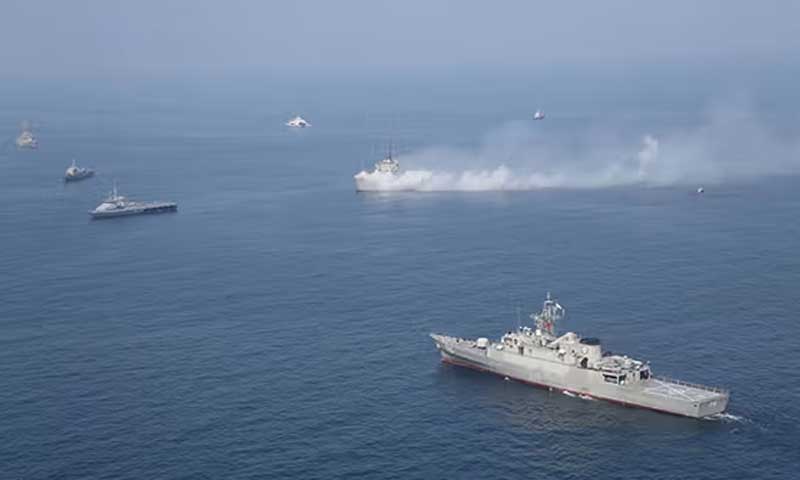
WEB DESK: The Iranian Revolutionary Guard Corps (IRGC) Navy has confirmed the seizure of a commercial vessel, the Epaminondas, in the Strait of Hormuz, citing allegations of deep-seated cooperation with the United States military.
According to official statements released by the IRGC on Saturday, the operation followed a sophisticated six-month intelligence monitoring period, during which the vessel was tracked making repeated and suspicious calls at various American ports.
Tehran has justified the detention by claiming the ship ignored several radio warnings and committed multiple breaches of international maritime regulations while attempting to navigate the strategic waterway.
Six months of intelligence monitoring
The IRGC Navy’s intelligence wing asserted that the Epaminondas had been under intense surveillance since late 2025.
Naval commanders claim that the vessel’s movements were inconsistent with standard commercial shipping patterns, alleging instead that the ship was providing logistical or intelligence support to U.S. forces stationed in the region.
The IRGC further contended that the vessel attempted to transit the Strait of Hormuz “covertly” by disabling its transponders and disregarding standard maritime safety protocols.
Following a direct interception, the ship was diverted to Iranian territorial waters, where it remains under guard pending a comprehensive inspection of its cargo and navigational logs.
Escalation in the Strait of Hormuz
This latest seizure represents a significant hardening of Iran’s maritime stance, occurring amidst a fragile regional security environment.
While diplomatic efforts continue to stabilize broader conflicts, the IRGC’s actions signal a determination to assert “strict oversight” over all traffic passing through the world’s most vital oil transit chokepoint.
The incident follows a series of alerts issued by the United Kingdom Maritime Trade Operations (UKMTO) regarding the harassment of merchant shipping in the Gulf.
Analysts suggest that by framing the seizure as a response to U.S. military collaboration, Tehran is reinforcing its narrative of “maritime sovereignty” against Western interference in Middle Eastern waters.