
- WEB DESK
- September 9, 2026
Islamabad bans sheesha cafes as court orders new rules
-

- Farah Mehjabeen
- September 9, 2026
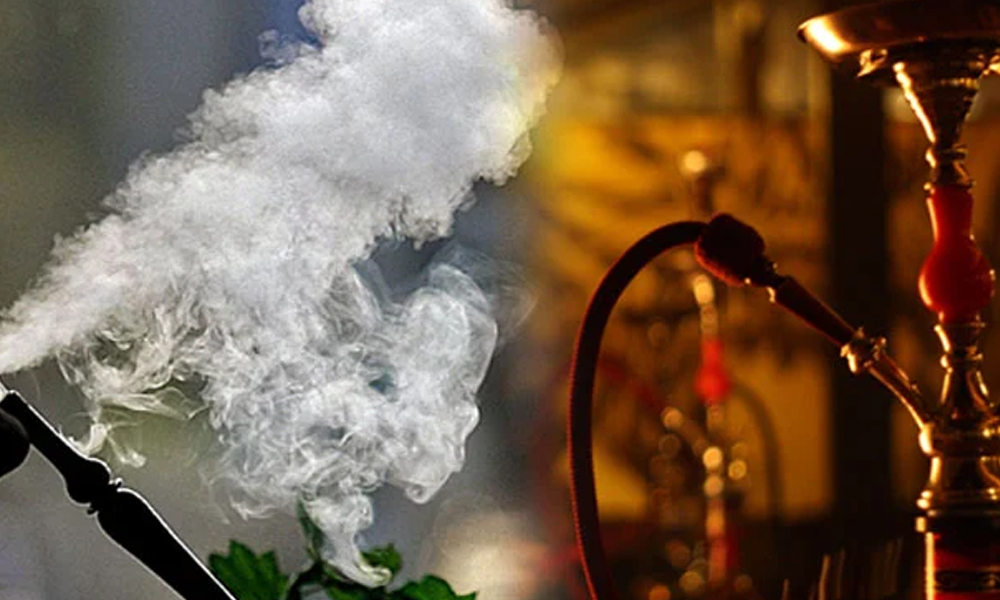
ISLAMABAD: The Islamabad Capital Territory (ICT) Administration has imposed an indefinite ban on the operation of sheesha cafes, including centres holding no-objection certificates (NOCs), after the Islamabad High Court directed the authorities to formulate regulations governing the businesses within a month.
The ban has been imposed on both indoor and outdoor sheesha cafes, according to orders issued by Islamabad deputy commissioner.
“In compliance with the orders of the Islamabad High Court, a complete ban has been immediately imposed on operating sheesha cafes in the federal capital until further orders. Under this ban, all types of sheesha cafes — whether holding NOC, outdoor, or indoor — have been prohibited from conducting sheesha business. In case of violation, the cafe will be sealed and a case will be registered against the owner. Assistant commissioners will ensure inspections on a daily basis by conducting operations without discrimination,” Islamabad Deputy Commissioner Irfan Nawaz Memon said on social media platform X.
The development followed a hearing at the Islamabad High Court on petitions seeking details of sheesha cafes operating in the capital and action against establishments allegedly violating the conditions of their NOCs.
IHC Chief Justice Sardar Muhammad Sarfraz Dogar had summoned Islamabad Police Inspector General Ali Nasir Rizvi and the deputy commissioner Islamabad in person during the hearing.
The court directed the district administration to formulate rules for sheesha cafes within one month and made clear that the businesses could not continue operating in their existing form until regulations were put in place.
“You have our respect for your business, but do not destroy the entire city,” Dogar said during the proceedings.
He expressed concern over the potential impact of sheesha smoking on young people and families, warning that the activity was taking place openly in the city.
“If hashish is mixed with tobacco, it would still be called smoking,” the chief justice said during the hearing.
He also questioned the authorities over reports that sheesha cafes were being used for activities beyond smoking.
Police report action against cafes
Islamabad Police Inspector General Ali Nasir Rizvi told the court that police had taken strict action against sheesha cafes following earlier court directions.
“We have also registered FIRs against some people,” he said, adding that authorities had faced resistance from cafe owners during raids.
Rizvi said that police had found children as young as 14 and 15 years old at some sheesha cafes.
He said that police had not only taken enforcement action but had also launched an awareness campaign concerning the risks and operation of sheesha cafes.
The chief justice directed the authorities to seal cafes wherever violations were detected.
Dogar also questioned reports that cafe operators locked their doors when police conducted raids.
Rizvi confirmed that this had occurred during raids carried out by police.
Administration says NOCs were temporary
In its written reply to the court, Islamabad’s chief commissioner and district administration said that NOCs for sheesha cafes had been issued as a temporary arrangement pending approval of formal regulations.
The administration said that there was no need for separate standard operating procedures specifically for sheesha cafes, arguing that principles already laid down by the high court formed the basis for issuing NOCs.
It said that sheesha could be served only in open, uncovered areas and that establishments wishing to serve sheesha outdoors were required to obtain a separate written “terrace permit” from the relevant assistant commissioner.
The administration also said all NOCs for sheesha cafes had been issued without a fee.
Under the existing conditions, smoking or serving sheesha inside restaurants or in any covered area remained prohibited.
The administration said that the rules also required fire-safety measures, including regular inspection of fire extinguishers and their expiry dates.
Assistant commissioners were authorised to conduct inspections at any time following public complaints, impose additional conditions and take legal action where necessary, it said.
Fire and public health concerns
The district administration told the court that the storage of coal and other sheesha-related equipment posed a significant fire risk.
Restaurants had therefore been required to comply with fire-safety and fire-prevention measures, while inspection teams were instructed to check the condition and validity of fire extinguishers at sheesha establishments.
The administration said that serving sheesha and other tobacco products was subject to conditions including restricting their provision to adults and maintaining environmental standards.
It also cited international and legal requirements aimed at protecting the public from exposure to tobacco smoke.
The administration said that enforcement operations against sheesha cafes in Islamabad had begun in 2021.
A fine imposed on a sheesha cafe by an assistant commissioner following a complaint lodged by the Kohsar police station had also been upheld by the high court, according to the administration’s written reply.
Court raises concerns over minors
During the hearing, Acting Prosecutor General Manzoor Jajja told the court that children aged 18 or below were also among those involved in selling or serving sheesha.
He urged the court to direct the health ministry and the government to formulate rules governing the businesses.
“It’s not only smoking; things beyond that are also happening,” Jajja said, adding that the authorities would submit a report on the issue.
The chief justice stressed that sheesha cafes could not be allowed to operate without a regulatory framework.
He said that the existing arrangements were damaging the lives of people in Islamabad and directed the authorities to take action wherever violations were found.
The high court adjourned the case for one month, giving the administration time to formulate and present the required rules.
You May Also Like


- WEB DESK
- September 9, 2026