
- AFP
- November 27, 2026
Islamabad community dialogue highlights barriers to reporting violence against women
-

- WEB DESK
- November 27, 2026
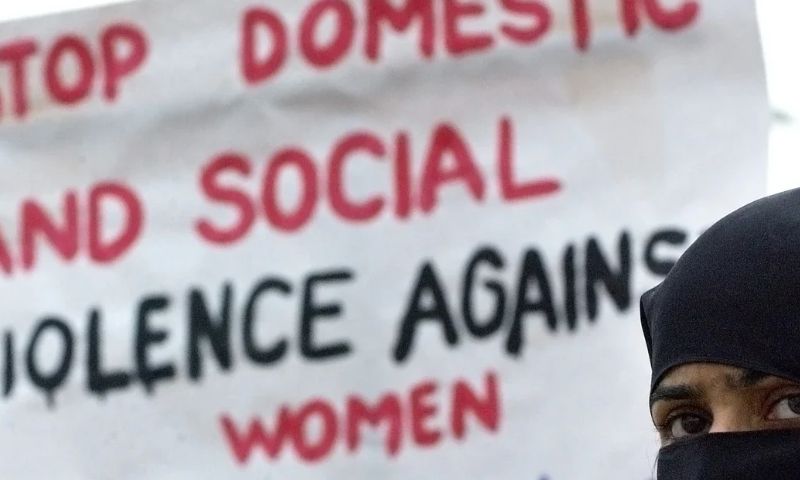
ISLAMABAD: Social stigma, victim-blaming, financial dependence and limited awareness of available support services continue to discourage women from reporting gender-based violence (GBV), a community dialogue held in Islamabad’s Alipur Farash highlighted on Friday.
The dialogue, organised by Rozan as part of the annual 16 Days of Activism Against Gender-Based Violence campaign, brought together women from the community, mental health professionals, civil society representatives and officials to discuss barriers to accessing protection, support and justice.
Held under the theme “What Can We Do Differently to Prevent GBV?”, the event provided women with an opportunity to share their experiences and identify measures that families, communities and institutions could take to improve access to support services.
Barriers to seeking help
Discussions centred on the difficulties women encounter when they first reach out for help after experiencing violence, including uncertainty over whom to approach, concerns about confidentiality and limited understanding of available support mechanisms.
The dialogue highlighted how responses from families, communities and service providers could influence a woman’s decision to pursue further assistance or report violence.
Participants explored the importance of creating an environment where women could seek help without fear of judgement or blame, while retaining control over decisions concerning their safety and well-being.
The discussion also examined the need for accessible information about reporting procedures, available services and the responsibilities of institutions tasked with responding to complaints.
From community recommendations to institutional action
The dialogue identified several practical measures to improve responses to gender-based violence, including encouraging families and community members to listen without pressuring women to disclose more than they wished to share.
Protecting survivors’ privacy, obtaining their consent before making referrals and ensuring confidentiality were also highlighted as important considerations for service providers.
Recommendations for institutions included making reporting mechanisms more accessible, clearly communicating available legal and protection services, and explaining what survivors could expect after lodging a complaint.
The event also sought to bring community perspectives into discussions with policymakers, mental health professionals and organisations working to prevent gender-based violence.
The dialogue was held in line with the 2026 global UNiTE campaign theme, “Ensure justice, protect survivors, end impunity”, with an emphasis on translating community experiences into practical measures to strengthen prevention, protection and access to justice.
You May Also Like