
- Reuters
- October 27, 2026
Islamabad MoU: Ghalibaf says US talks will adhere to Tehran’s ‘red lines’
-

- Zoya Anwer
- June 19, 2026
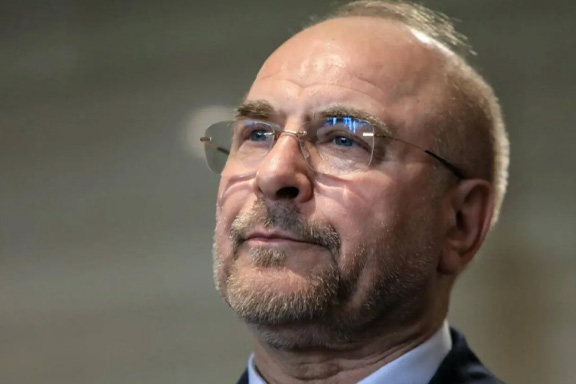
Iran’s chief negotiator and Speaker of the Parliament, Mohammad Bagher Ghalibaf, has said any negotiations with the United States will remain firmly within the limits set by Tehran’s leadership, stressing that Iran would not compromise on its core principles or national interests. Tehran and Washington are preparing for the next phase of discussions following the recently signed Islamabad Memorandum of Understanding on Wednesday, which aims to ease tensions and lay the groundwork for a broader settlement between the two countries.
According to remarks carried by Iran’s official IRNA news agency, Ghalibaf said Tehran remained committed to pursuing diplomacy while strictly observing the “conditions and red lines” established for the talks. He added that Iran’s negotiating team would continue working to secure outcomes that serve the interests of the Iranian people.
At the same time, the senior Iranian official warned against what he described as excessive pressure or demands from the opposing side. He said Iran had demonstrated in the past that it was prepared to respond forcefully to any actions it considered hostile.
Ghalibaf’s remarks reiterate Iran’s position that while it remains open to dialogue, any future agreement must remain consistent with the country’s strategic and political red lines.
Earlier today, both Prime Minister Shehbaz Sharif and US Vice President JD Vance withdrew from planned visits to Switzerland after the Islamabad MoU was signed electronically, making a scheduled signing ceremony unnecessary.
The ceremony had been due to take place on Friday at the Buergenstock resort in Switzerland, where the Pakistan-mediated accord was expected to be formally endorsed. However, Deputy Prime Minister and Foreign Minister Ishaq Dar confirmed that the event had been cancelled after US President Donald Trump, Iranian President Masoud Pezeshkian and Prime Minister Shehbaz Sharif signed the agreement remotely.
Switzerland talks also called off
Swiss authorities separately announced that planned US-Iran talks at the Burgenstock resort would no longer take place. The discussions had been expected to focus on implementing the newly reached agreement.
The White House also confirmed that Vice President JD Vance would not travel to Switzerland as previously planned. A spokesperson said logistical arrangements surrounding the negotiations remained complex, adding that Washington still intended to begin technical-level discussions as soon as possible.
Although no revised schedule has been announced, officials from the United States, Iran and mediating countries are expected to continue coordinating future diplomatic and technical talks aimed at implementing the accord.
Key provisions of the agreement
The Islamabad MoU establishes a framework to end hostilities between Washington and Tehran and lays the groundwork for a permanent peace settlement. Both sides have committed to halting military operations against one another and their allies, including a ceasefire in Lebanon, while pledging to respect each other’s sovereignty.
Under the agreement, the United States will gradually lift its naval blockade on Iran within 30 days, while Iran will guarantee safe navigation through the Strait of Hormuz and waive transit fees for 60 days. The accord also includes sanctions relief, the release of frozen Iranian assets and a proposed $300 billion reconstruction and investment programme for Iran.
The framework reaffirms Iran’s commitment not to pursue nuclear weapons and provides for international monitoring of its nuclear programme. A joint oversight mechanism will supervise implementation as both sides work towards a final treaty that would ultimately require approval by the United Nations Security Council.
You May Also Like


- WEB DESK
- October 27, 2026
Punjab govt moves to provide life insurance cover to employees
- AFP
- October 27, 2026