- WEB DESK
- September 15, 2026
Islamabad slams Kabul at SCO, warns of action on terror hubs
-

- Sadia Basharat
- April 29, 2026
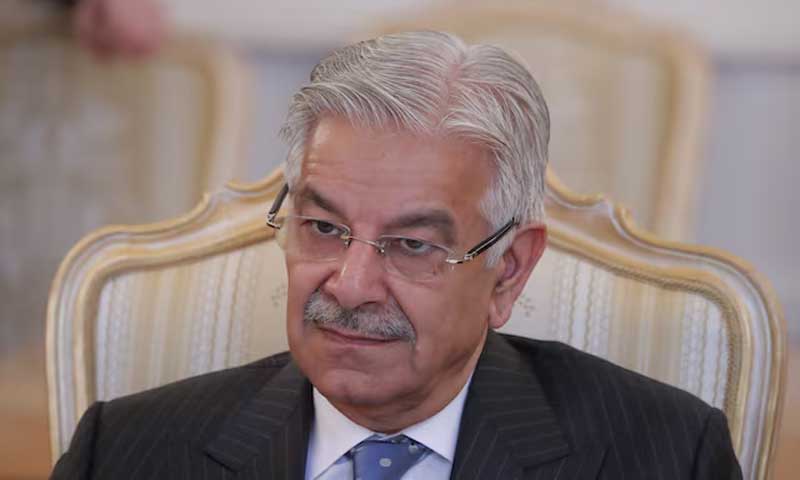
WEB DESK: Pakistan’s Defence Minister, Khawaja Asif, has issued a stern warning at the Shanghai Cooperation Organisation (SCO) Defence Ministers’ Meeting, identifying the persistent use of Afghan soil by militant groups as the nation’s pre-eminent security threat.
Speaking in the Kyrgyz capital, Bishkek, Asif maintained that “credible, verifiable, and effective action” against terrorist elements across the border has now become an absolute necessity, according to Samaa TV.
Cross-border threats and the Afghan vacuum
Addressing the regional forum, the Defence Minister specifically named the proscribed Tehreek-e-Taliban Pakistan (TTP) and the Balochistan Liberation Army (BLA) as entities operating from within Afghan territory to orchestrate strikes against Pakistani citizens and infrastructure.
Asif argued that the regional security architecture is being undermined by a lack of decisive control over these safe havens.
He insisted that ignoring Pakistan’s immense sacrifices in the global war on terror characterised by “unparalleled sacrifices and visible results” amounts to a deliberate disregard for ground realities.
The Minister further dismissed negative rhetoric directed at Islamabad as “propaganda” fueled by hidden agendas and political malice, asserting that Pakistan remains a cornerstone of regional stability.
A diplomatic push for transparency and cooperation
Beyond the formal sessions, Mr Asif engaged in a series of high-level bilateral discussions on the sidelines, meeting with his counterparts from China, Kazakhstan, and Tajikistan, as well as Iran’s deputy defence minister.
During these talks, he advocated for a shift away from “hateful politics” and blame-shifting, which he suggested are often employed for internal political gain rather than genuine security outcomes.
Instead, the Minister called for a framework built on transparency, trust-building, and constructive engagement.
He concluded that lasting peace in the region is contingent upon mutual cooperation and a collective refusal to allow sovereign territories to be exploited by non-state actors.
You May Also Like


- Reuters
- September 15, 2026
Samson, Reddy lead India to series-clinching win over Afghanistan

- WEB DESK
- September 15, 2026