
- WEB DESK
- October 5, 2026
Jason Collins dies at 47: The NBA trailblazer who never wanted to be ‘the first’
-

- Web Desk
- May 13, 2026
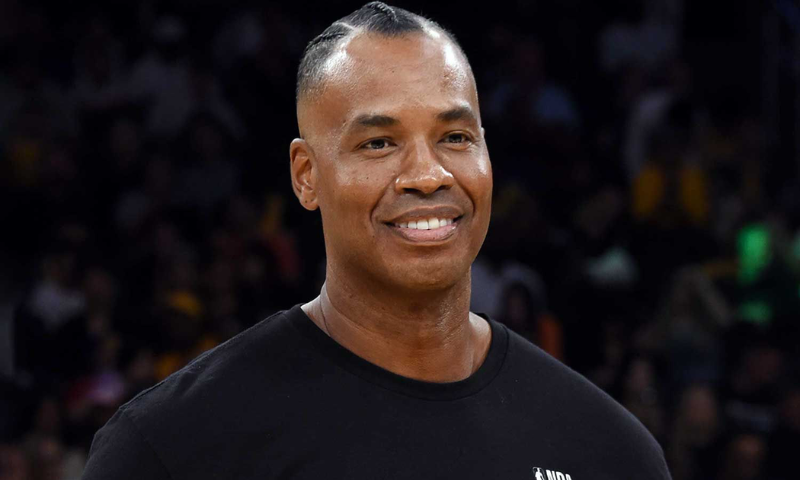
Jason Collins, the former NBA player who became the first openly gay active athlete in a major US men’s professional sports league, has died at 47 after a battle with brain cancer.
Collins died on Tuesday after what his family described as a “valiant fight” with glioblastoma, an aggressive form of brain cancer he revealed publicly in 2025.
But the moment that came to define Collins’ life was one he later admitted he never wanted.
In 2013, Collins changed history when he publicly came out as gay in a landmark first-person essay for Sports Illustrated, becoming the first openly gay active male athlete in one of North America’s four major professional sports leagues.
The essay opened with a line that instantly became historic:
“I’m a 34-year-old NBA center. I’m Black. And I’m gay.”
Yet behind that defining moment was a story Collins had spent years trying to understand privately.
Before publicly coming out, Collins had been engaged to former WNBA player Carolyn Moos following a long-term relationship. Years later, he reflected that he had once convinced himself the life expected of him might quiet feelings he had struggled with for much of his adult life.
Even before publicly speaking about his sexuality, Collins had quietly carried symbols of support with him. He wore No. 98 in tribute to Matthew Shepard, the University of Wyoming student murdered in a 1998 anti-gay hate crime, a detail many only discovered after Collins came out.
At the time of his announcement, same-sex marriage was not yet legal across the United States and openly gay male athletes in major professional team sports were almost unheard of. Collins later admitted he never wanted to be “the first”, saying he wished someone else had already stepped forward.
But by stepping forward himself, Collins changed the conversation around sexuality, identity and acceptance in locker rooms that had long remained silent.
The years that followed, Collins later said, became “the best of my life”.
Away from the history-making moment, Collins carved out a respected 13-year NBA career with teams including the New Jersey Nets, Boston Celtics, Atlanta Hawks, Memphis Grizzlies and Washington Wizards. He helped lead the Nets to back-to-back NBA Finals appearances in 2002 and 2003 before later returning to the franchise after it moved to Brooklyn.
Tributes quickly poured in after news of his death, with NBA Commissioner Adam Silver saying Collins’ influence stretched “far beyond basketball” and helped make sport more welcoming for future generations. The Brooklyn Nets remembered him as a player whose courage and authenticity helped move “the game — and the world — forward.”
More than a decade after he stepped forward, Collins’ legacy endures not because he wanted to make history, but because he chose honesty at a moment when few others could.
You May Also Like


- WEB DESK
- October 5, 2026