- WEB DESK
- October 27, 2026
JI chief announces Islamabad march in mid-November after inconclusive talks with PM
-

- WEB DESK
- October 27, 2026
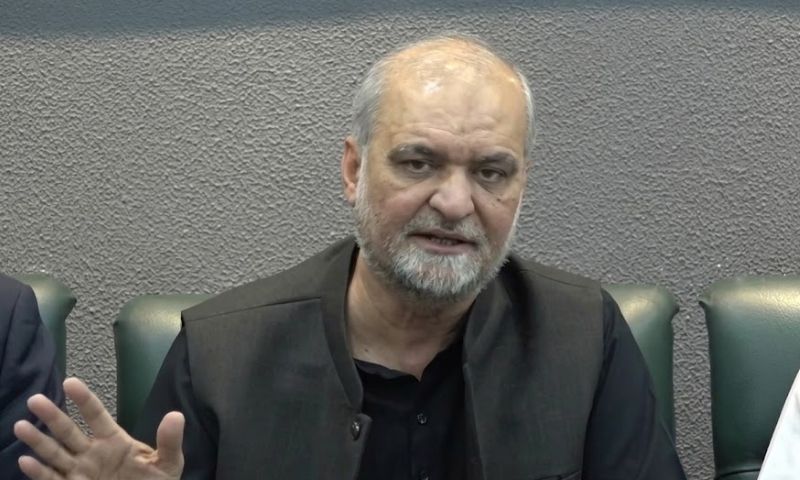
ISLAMABAD: Jamaat-e-Islami (JI) chief Hafiz Naeemur Rehman on Tuesday said the party would hold its planned Islamabad march in mid-November, ruling out any further postponement as the government sought more time to work out relief measures on the petroleum levy.
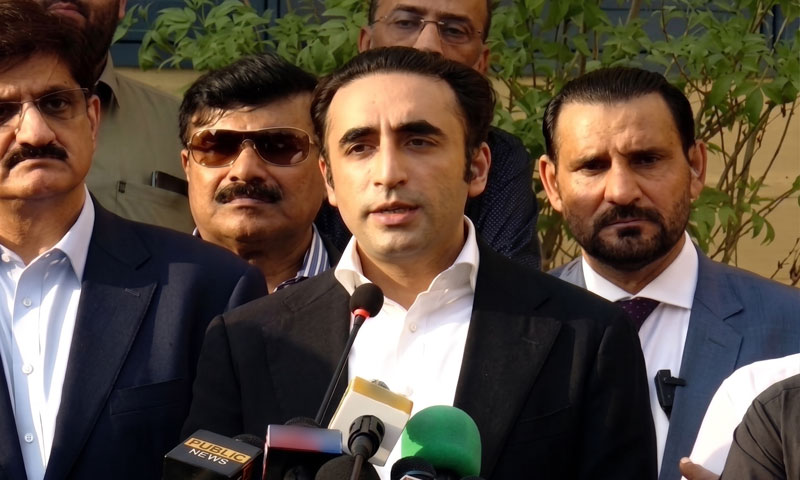
“We will not postpone our Islamabad march this time. It will take place in mid-November, come what may,” Rehman said at a press conference in Islamabad after meeting Prime Minister Shehbaz Sharif.
Earlier, Hafiz Naeem had announced protests and sit-ins in 150 cities across Pakistan against the petroleum levy, warning that the party was preparing a long march to Islamabad if the government failed to provide relief to the public.
He said the party would continue preparing for the march and launch a nationwide mobilisation campaign while keeping the door open for further talks with the government.
“We will continue negotiations, but we will not abandon our Islamabad march,” he said, adding that the government should announce a relief package and take concrete steps to end the petroleum levy before the protest.
Rehman warned that if the government failed to provide relief, the party could stage a sit-in on the streets, saying it was prepared for all options.
The JI chief said the government had agreed to expand the scope of relief for people but differences remained over how it would be delivered. The party wanted the petroleum levy abolished immediately, while the government was proposing its gradual elimination, he said.
“We want the levy abolished. They say they can phase it out,” Rehman said, adding that the government needed to provide tangible relief so people could see a reduction in fuel prices.
He said the government had sought another seven to 10 days to discuss ways to improve the proposed relief measures. The party had agreed to continue talks but would not suspend preparations for the march, he added.
Responding to reports that the government was considering an initial reduction of Rs20 to Rs30 per litre in the levy, Rehman said the government had several options but JI remained firm on its demand for the levy’s complete abolition.
He said the government had cited its commitments under the International Monetary Fund (IMF) programme as a constraint, but argued that successive governments had used the same justification while imposing economic hardship on the public.
“Governments should not pass the burden of their incompetence on to the people,” he said, adding that JI had presented alternatives to the government and was ready to explain its proposals in detail.
Rehman said the party had also questioned why refinery margins had increased amid rising international oil prices, arguing that consumers should receive relief from the domestic pricing structure as well as from the removal of the levy.
Acknowledging that international oil prices were affected by regional instability and the ongoing conflict, he said the government should still take measures to ease the burden on consumers.
He claimed that public protests organised by JI had previously pressured the government into reversing some fuel-price increases. He cited an earlier increase in the petroleum levy from Rs80 to Rs160 per litre and said protests had prompted the government to retreat. He also recalled a Rs32 reduction in diesel prices during the party’s sit-ins.
The JI chief rejected criticism of the party for negotiating with the government, saying it was necessary to engage with those holding executive authority to secure relief for the public.
“Whether they are called a Form 47 or a Form 48 government, the prime minister is the signing authority,” he said, referring to allegations surrounding the legitimacy of the government formed after the 2024 general elections.
He said JI considered peaceful protest its responsibility and urged other political parties to support its campaign on an issue affecting the public. He added that the party wanted the dispute resolved peacefully, saying Pakistan could not afford further deterioration in the prevailing situation.
Rehman said JI was also raising other economic concerns, including falling cotton production, difficulties faced by farmers, rising liquefied petroleum gas (LPG) prices and gas shortages. He accused the government of failing to address these problems adequately.