
- WEB DESK
- August 24, 2026
Karachi traffic chief fined by his own e-challan system
-

- Zoya Anwer
- October 30, 2025
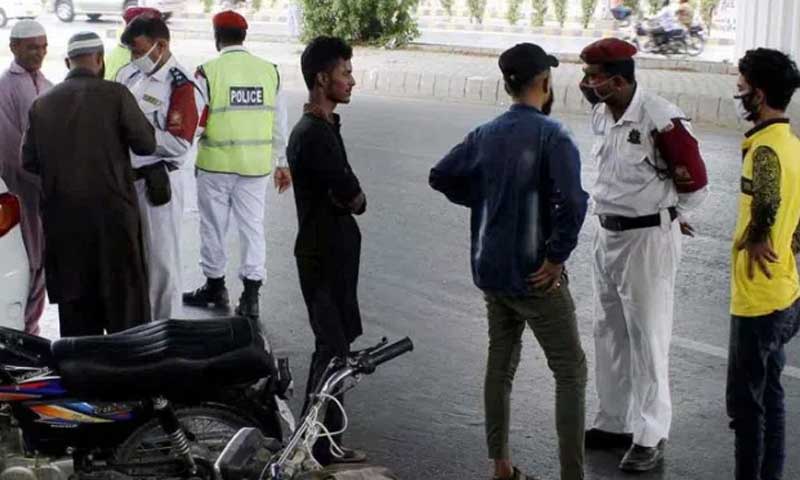
WEB DESK: In a twist of irony, DIG Traffic Pir Mohammad Shah’s official vehicle was among the first to be fined under Karachi’s new e-challan system, slapped with a Rs10,000 ticket after his driver was spotted without a seatbelt at the Lyari Interchange. As per Dawn, the senior officer confirmed the fine himself, saying, “My driver was issued the e-challan for not wearing a seatbelt.”
The digital ticketing system, part of the Karachi Safe City Project, has already issued over 1,500 seatbelt violations and hundreds more for speeding, red-light jumping, and helmet offences, proving that in Karachi, not even the cops are above the law.
New e-challan system
Karachi’s streets have been buzzing, not just with traffic, but with the city’s newly launched e-challan system, which has already generated over Rs100 million in fines within 48 hours of launch. The Sindh government says the move marks a major step toward cleaner, safer, and more transparent traffic management under the Karachi Safe City Project.
According to Sindh traffic police data, more than 6,000 challans were issued in the first two days for seatbelt and helmet violations alone, while hundreds more were fined for overspeeding, wrong-way driving, and mobile phone use. The minimum fine is Rs5,000, with penalties reaching up to Rs100,000 for serious offences.
So how does it work? Over 1,000 surveillance cameras have been installed across Karachi to automatically detect traffic rule violations. Each challan is linked to the vehicle’s registration number and mailed to the address listed with the Sindh Excise and Taxation Department. Citizens who pay within 14 days get a 50% discount, while those who delay beyond 21 days face a doubled fine.
Unpaid fines can lead to license suspension after three months and even CNIC blocking after six months. A demerit points system will also flag repeat offenders, reaching 30 points in a year could mean losing your license.
If a citizen thinks your challan is unfair, 11 police stations across the city now host appeal desks, where a three-member committee including a CPLC representative reviews complaints within three to four days.
Deputy Inspector General (DIG) Traffic Pir Mohammed Shah called the initiative a “milestone in building fear, responsibility, and accountability.” He added that citizens can monitor their violations through the Trax4Citizens app, which lists all registered vehicles and past offences.
Officials say the early figures show promise: over 4,200 e-challans were issued on Sharah-e-Faisal alone on the second day, a sign that Karachi’s era of digital traffic enforcement has truly begun.
You May Also Like


- WEB DESK
- August 24, 2026