- WEB DESK
- September 4, 2026
Khawaja Asif accuses PPP of ‘double standards’ as new provinces debate intensifies
-

- WEB DESK
- September 5, 2026
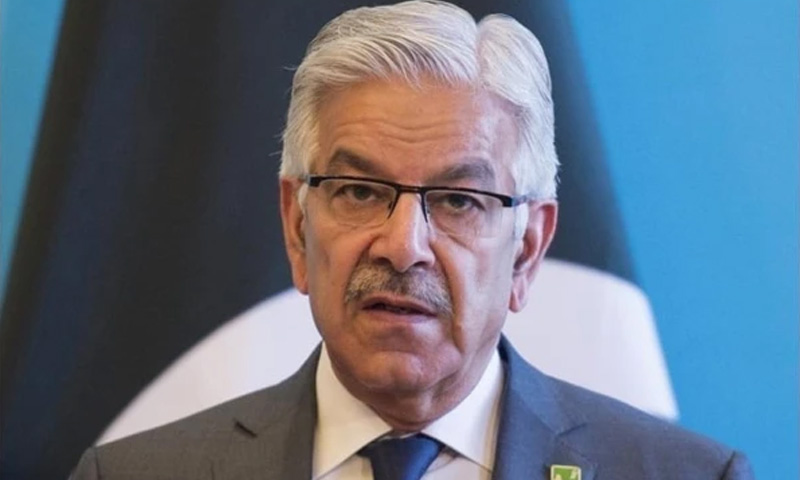
ISLAMABAD: Defence Minister Khawaja Asif has accused the Pakistan Peoples Party (PPP) of adopting a “dual policy” on the creation of new provinces and administrative units, while calling for greater devolution of powers to the grassroots level.
In a post on X, Asif said the PPP supported or showed flexibility towards the creation of a Saraiki province in Punjab but raised the issue of “Sindhudesh” when proposals for multiple provinces or administrative units were discussed.
“I see something else behind PPP’s dual policy. I will explain it when the time comes,” he said, without elaborating.
Asif said Pakistan’s constitutional principle of devolution was established through the 18th Amendment and argued that it had not been implemented in its true spirit.
“Time and circumstances demand that it be implemented honestly so democracy can flourish at the grassroots level and people can benefit from its fruits,” he said.
The new provinces’ debate
His remarks came days after the Sindh Assembly passed a resolution opposing the creation of new provinces and administrative units in the province.
PPP leader Nisar Ahmed Khuhro presented the resolution, which said the assembly “categorically and unequivocally rejects” any proposal to divide Sindh or create a new province.
The resolution declared that “Sindh is one and will remain one” and said every district and division of the province was an indivisible part of Sindh.
It also said the assembly would not accept any plan to separate any part of Sindh or place any area under federal control.
The resolution maintained that provincial boundaries could not be altered under the Constitution without a two-thirds majority of the provincial assembly.
During the debate, PPP leader Saeed Ghani said his party would support a decision by another provincial assembly to create a new province within its own territory.
“If the Punjab Assembly decides to create a new province, we will stand with it,” Ghani said, adding that the same principle would apply if the Khyber Pakhtunkhwa Assembly supported the creation of a new province.
He made clear, however, that the PPP opposed the creation of a new province in Sindh and that any such question should be decided on the floor of the Sindh Assembly.
Sindh Senior Minister Sharjeel Inam Memon also said decisions on the creation of new provinces should be taken by the relevant provincial assemblies in accordance with the Constitution.
He said such decisions should not be made through television talk shows, surveys, referendums, protests or rallies, but through constitutional forums.
“If a decision about Sindh’s future is to be made, it should be made on the floor of the Sindh Assembly,” Memon said.
The debate has also focused on whether better governance requires new provinces or greater empowerment of existing administrative units.
Opposition Leader in the Sindh Assembly Ali Khursheedi rejected the division of Sindh but said the real issue was the effective devolution of administrative and financial powers to the grassroots level.
He said Sindh already had six divisions that could be empowered as administrative units, arguing that financial and administrative decisions should not have to be taken solely by the chief minister or provincial cabinet.
“Without transferring powers and resources to the grassroots level, effective governance is not possible,” Khursheedi said, linking the issue to the spirit of the 18th Amendment.
Asif made a similar argument in his post, saying the existing system had become obsolete because of the concentration of powers.
“The need is to correct it honestly,” he said, adding that provinces or administrative units could carry whatever labels were considered appropriate.
He suggested that Pakistan’s 36 divisions could be used for the purpose or that another administrative and geographical arrangement could be devised.
“The devolution of powers is inevitable,” Asif said.
The debate over new federating units has continued in different political circles for the past couple of months, although no official proposal has been confirmed.
Some ruling-party leaders and federal cabinet members have publicly supported the idea at different forums, including parliament.
Media reports have suggested proposals ranging from eight to as many as 30 provinces, but no official plan has been announced.
You May Also Like
- WEB DESK
- September 4, 2026
PIA set to unveil new crew uniform — how it evolved over decades
- WEB DESK
- September 4, 2026