- Zafar Ali
- 11 Minutes ago
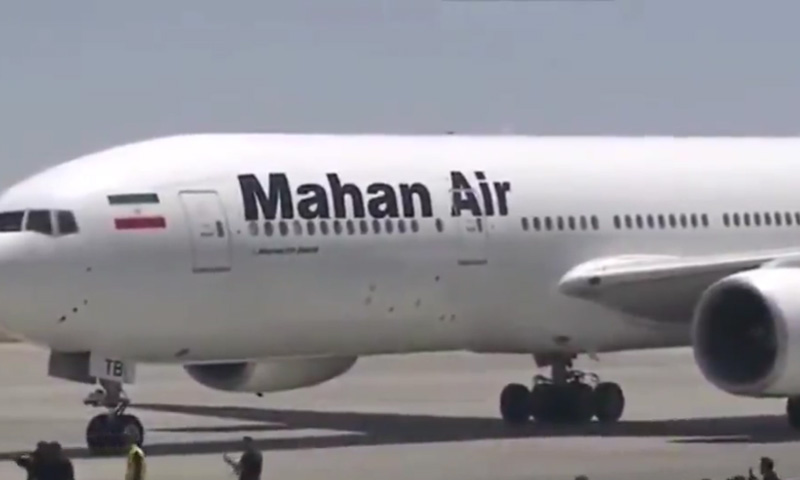
Mourners gather as plane carrying Khamenei’s body arrives in Mashhad
-

- WEB DESK
- 1 Hour ago
TEHRAN: Iran is all set to bury Supreme Leader Ayatollah Seyyed Ali Khamenei at the holy Shrine of Imam Reza in the northeastern city of Mashhad on Thursday, bringing to a close a week of funeral processions and mourning ceremonies attended by millions of people in Iran and Iraq.
Khamenei’s body arrived in Mashhad earlier in the day for the final funeral procession before being laid to rest at the shrine of the eighth Shia Imam. Thousands of mourners from across Iran have gathered in the holy city to take part in the final farewell.
The funeral procession is scheduled to begin from Imam Reza Street after being delayed from its original timetable because of the massive turnout of mourners and extended farewell ceremonies held in Iraq.
Among the foreign dignitaries expected to attend the burial is Sheikh Ibrahim Zakzaky, leader of Nigeria’s Shia Muslim community.
The burial follows days of ceremonies held across Iran, including Tehran and the holy city of Qom, as well as the Iraqi shrine cities of Najaf and Karbala, where millions of mourners paid tribute to the late leader.
Iranian officials said that nearly four million people attended the funeral processions in Iraq, where the body was taken from Najaf to Karbala after a mass gathering at the Shrine of Imam Ali (RA).
The nationwide mourning ceremonies began on July 3, with political representatives from more than 45 countries and religious scholars from over 90 countries attending memorial events in Tehran.
A state funeral was held in the Iranian capital on July 6, followed by additional mourning ceremonies at Jamkaran Mosque in Qom before the body was transferred to Iraq and later returned to Mashhad.
The burial is scheduled to coincide with the anniversary of the martyrdom of Imam Sajjad in the Islamic calendar.
Khamenei was killed in a joint strike carried out by Israel and the United States on February 28, according to Iranian authorities, triggering nationwide mourning and renewed tensions between Tehran and Washington.
Iranian authorities portrayed the funeral ceremonies as a demonstration of national unity and support for the Islamic Republic.
Mojtaba Khamenei yet to appear publicly
Khamenei’s son and successor, Mojtaba Khamenei, has not appeared in public since the strike that killed his father.
Although he has issued written statements after being appointed supreme leader by Iran’s Assembly of Experts, no photographs, video footage or audio recordings of him have been released.
According to senior Iranian sources, Mojtaba suffered serious injuries in the same attack, including facial and limb wounds, and remains under medical care while security agencies restrict his public appearances due to fears of further attacks.
Iran enters a new political chapter
The funeral marks the end of Ali Khamenei’s 37-year tenure as Iran’s supreme leader, a period during which political, military and economic authority became increasingly concentrated in the office of the supreme leader.
Appointed in 1989 following the death of Ayatollah Ruhollah Khomeini, Khamenei oversaw the growing influence of the Islamic Revolutionary Guard Corps, which is now regarded as one of the country’s most powerful institutions.
His burial also comes as Iran faces mounting economic challenges, international sanctions and the aftermath of months of anti-government protests, which were met with a sweeping security crackdown.
Analysts say the country’s leadership now faces the challenge of managing domestic pressures while navigating heightened regional tensions under the new supreme leader, Mojtaba Khamenei.
You May Also Like