- WEB DESK
- October 6, 2026
US strikes kill 14 in Iran amid heightened tensions over Strait of Hormuz
-

- WEB DESK
- July 9, 2026
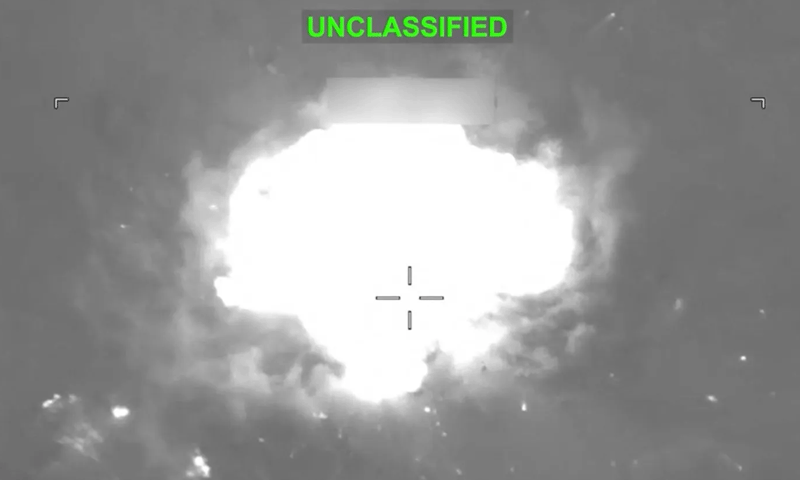
WEB DESK: At least 14 people have been killed and dozens of others injured across Iran following a series of United States air strikes targeting critical infrastructure, according to Iranian state media and officials.
The strikes, which hit five provinces including the oil-rich Khuzestan region, have triggered a sharp escalation in hostilities, with Tehran warning it will fiercely defend its strategic transport links and the vital Strait of Hormuz waterway.
Among the key targets hit was the Aq Tappeh Khan Bridge near Aqqala in the northeastern Golestan Province. The bridge serves as a pivotal rail link on the eastern branch of the International North-South Transport Corridor (INSTC), connecting Iran to Central Asia, Russia, and the broader Eurasian freight network via the China–Kazakhstan–Turkmenistan–Incheh Borun route.
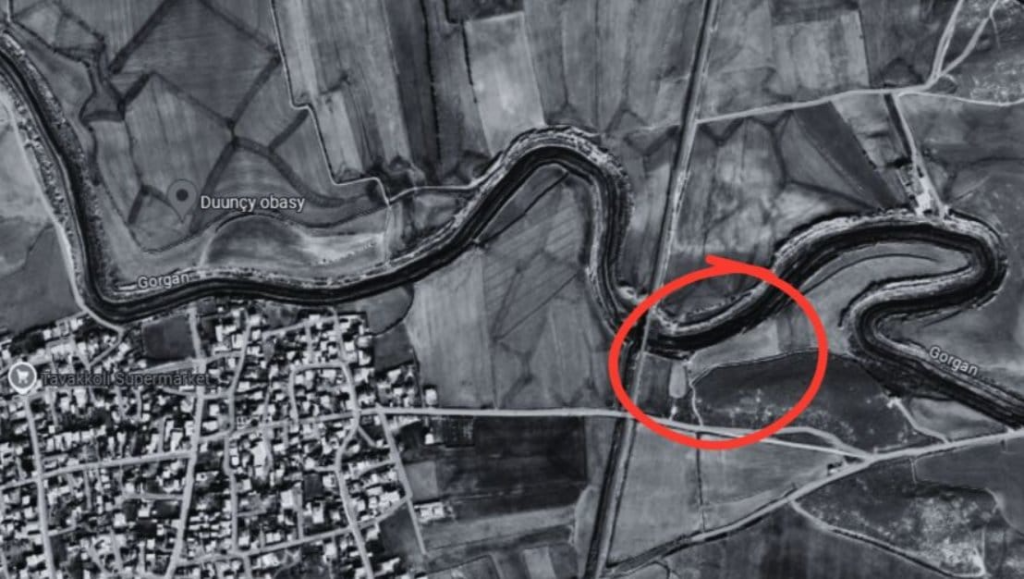
By striking this vital overland logistics hub, Washington aims to disrupt Iran’s alternative trade corridors and weaken its economic resilience beyond the maritime domain.
Defiant Tehran stokes maritime standoff
In the wake of the attacks, Iranian leaders issued a series of defiant statements, placing the future of global energy transits at the centre of the conflict. Iranian Parliament Speaker and senior negotiator Mohammad Bagher Ghalibaf declared that the Strait of Hormuz through which a significant portion of the world’s oil shipments pass would only remain open under arrangements determined solely by Tehran.
Asserting that Iran would never bow to external pressure, Ghalibaf stated that the waterway is an integral component of national security, and no compromises would be made on the country’s sovereignty.
Concurrently, the Iranian leadership has signaled that its grip on the Strait of Hormuz has eclipsed even its nuclear programme in terms of strategic priority. Sources close to the establishment indicated that control over the chokepoint is now viewed as Iran’s most powerful leverage against Western pressure.
Meanwhile, parliamentary National Security Committee spokesperson Ebrahim Rezaei challenged US threats directed at Kharg Island, Iran’s primary oil export terminal, daredevilishly telling Washington, “Come, we are waiting for you.” Tehran also claimed to have retaliated by targeting US military facilities in Bahrain and Kuwait.
Trump warns of ’20 times harder’ response
Speaking to reporters aboard Air Force One, US President Donald Trump defended the military action, asserting that the strikes were a direct response to recent Iranian attacks on commercial shipping in the Strait of Hormuz.
Trump claimed that the US had successfully achieved its primary military objectives, though he remained ambiguous on whether the confrontation had devolved into a full-scale war.
The US President further claimed that Tehran had recently reached out to Washington expressing an interest in negotiating a diplomatic settlement. However, Trump voiced strong skepticism regarding Iran’s reliability, questioning whether the Islamic Republic would honour any potential agreement.
Delivering a stark warning to the Iranian leadership against launching further retaliatory measures, Trump stated that any future Iranian attack would be met with an American response “20 times stronger.”
The American military campaign heavily targeted Iran’s southern coastline stretching from the mouth of the strategic strait to the Gulf of Oman, with state media reporting severe strikes on Bandar Abbas, the country’s premier port city and a major hub for the Islamic Revolutionary Guard Corps (IRGC) navy.
Further east, infrastructure damage was recorded in the coastal cities of Konarak and Chabahar including a direct hit on a maritime traffic control tower and localised electricity grid failures while an airfield in the southeastern city of Iranshahr was also struck, resulting in the death of a firefighter.
In response to the widening assault, which additionally knocked out a key railway bridge near Aqqala in northern Iran, Kuwaiti defence authorities confirmed their air defence systems were actively intercepting waves of incoming Iranian drones and missil