
- WEB DESK
- October 7, 2026
Nuclear inspections, frozen funds fuel fresh tensions in US-Iran peace talks
-

- Reuters
- June 24, 2026
WASHINGTON/DUBAI: The United States and Iran have offered sharply different interpretations of key provisions in a framework agreement designed to end months of conflict, exposing deep divisions over nuclear inspections, access to frozen assets and regional security arrangements despite a tentative ceasefire.
The disagreements emerged just days after negotiators from both countries concluded an initial round of talks in Switzerland, raising fresh doubts about the durability of a deal intended to bring an end to the war that erupted earlier this year.
US President Donald Trump maintained that discussions with Tehran were progressing positively and told supporters at a rally in Pennsylvania that relations between the two sides had improved. However, Iranian officials rejected several of Washington’s claims regarding the content of the negotiations, suggesting that major issues remain unresolved.
Conflicting accounts on nuclear oversight
One of the most contentious points concerns Iran’s nuclear programme, which is expected to be the focus of negotiations over the next two months.
Trump said Iran had agreed to permit international inspections of its nuclear facilities indefinitely, describing the arrangement as a significant breakthrough. In a social media post, he asserted that Tehran had accepted the highest level of nuclear monitoring for the foreseeable future.
Iran, however, disputed the claim and said nuclear issues had not been discussed during the latest round of talks. Tehran also denied agreeing to readmit inspectors from the International Atomic Energy Agency, contradicting the US president’s account and underscoring the gap separating the two sides on one of the most sensitive elements of any final settlement.
Dispute over frozen assets
Another source of disagreement centres on Iranian funds held abroad that could be released under the framework agreement.
Trump said money returned to Iran would be directed towards purchasing food and medical supplies from the United States. Iranian officials rejected that characterisation, insisting that Tehran alone would determine how any unfrozen assets are spent.
Washington has already granted a temporary 60-day sanctions waiver that allows Iran to export oil and related products while receiving payments for those sales. The broader agreement also envisages the lifting of US sanctions, the release of frozen Iranian assets and the creation of a $300 billion reconstruction fund aimed at rebuilding the country after the conflict.
Strait of Hormuz remains a sticking point
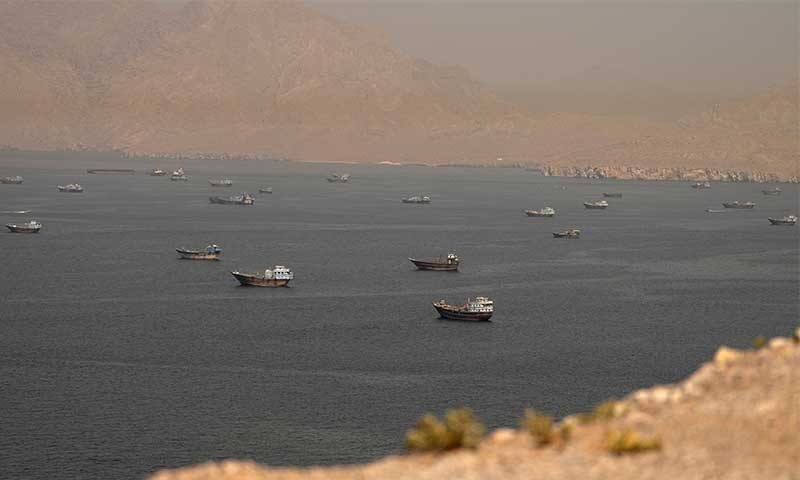
The future management of the Strait of Hormuz, a strategic maritime route through which roughly one-fifth of the world’s energy supplies pass, has emerged as another area of contention.
The agreement requires Iran to keep the waterway open for at least 60 days, helping restore commercial shipping after months of disruption. Oil prices have fallen to their lowest levels since before the conflict began, reflecting growing confidence that energy supplies will continue to move through the region.
However, Iranian officials have indicated that transit fees or other charges could be imposed after the initial period expires. Iran and Oman, which share control of the narrow waterway, issued a joint statement emphasising their sovereign authority over the strait and their intention to jointly manage maritime traffic and related costs.
Oman also announced coordination with international maritime authorities to establish a temporary shipping corridor through the passage.
US Secretary of State Marco Rubio, speaking during a visit to Gulf allies concerned about the terms of the peace arrangement, said Iran would not be permitted to levy tolls on vessels under any final agreement.
Political pressure mounts in Washington
While diplomats continue negotiations, political support for the conflict appears to be weakening inside the United States.
A Reuters/Ipsos survey found that more Americans believe the country is now in a weaker position vis-à-vis Iran than before the war. Only a smaller share of respondents said Washington’s position had improved.
The growing public unease was reflected in Congress, where the Senate voted 50-48 in favour of a resolution calling for an end to US involvement in the conflict. The measure mirrored an earlier vote in the House of Representatives and marked the first time both chambers have approved a War Powers Act resolution directing a president to withdraw US forces from hostilities.
Although largely symbolic and unlikely to immediately alter military policy, the vote highlighted divisions within Trump’s own Republican Party over the conflict.
Lebanon issue unresolved
The agreement is also facing challenges over the parallel conflict involving Israel and the Iran-backed Hezbollah movement in Lebanon.
Iranian officials say the framework requires Israel to withdraw its forces from Lebanese territory. Israel, however, has insisted it will retain a security presence in southern Lebanon and continue operations against what it considers threats to its citizens and troops.
The issue remained volatile on Tuesday as Israeli gunfire reportedly killed two people in southern Lebanon. The incident prompted Hezbollah to accuse Israel of breaching a ceasefire that has largely held since the weekend, underscoring the fragility of efforts to stabilise the wider region.
Despite the ceasefire and ongoing diplomatic engagement, significant differences remain between Washington and Tehran on several core elements of the agreement, leaving the prospects for a comprehensive and lasting peace uncertain.