
- WEB DESK
- September 17, 2026
Pakistan cuts petrol, diesel prices for second straight week
-

- Zafar Ali
- May 23, 2026
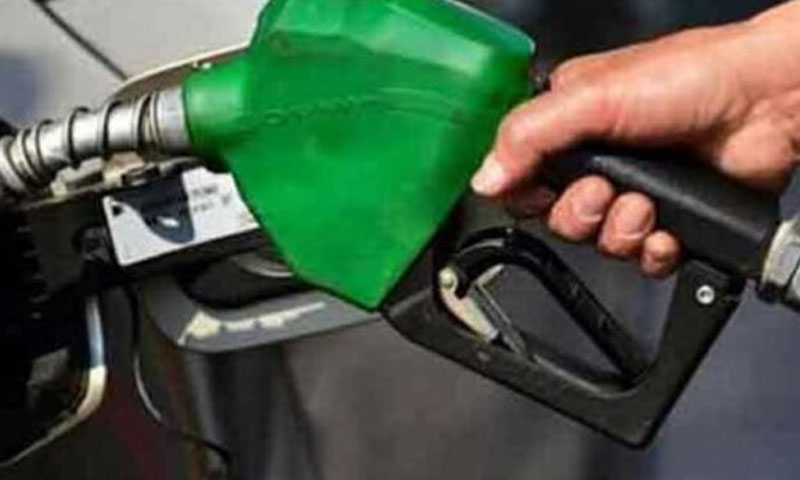
ISLAMABAD: The government on late Friday night announced another cut in fuel prices, lowering the rates of petrol and high-speed diesel for the second consecutive week as global oil markets stabilised after weeks of volatility linked to the Middle East conflict.
According to a notification issued by the Petroleum Division, the price of petrol was reduced by Rs6 per litre, while the price of high-speed diesel (HSD) was cut by Rs6.80 per litre.
Following the reduction, petrol will now sell at Rs403.78 per litre, while HSD will cost Rs402.78 per litre. The new prices will take effect from May 23.
The latest move follows a Rs5 per-litre reduction in both petrol and diesel prices announced last week, extending relief to consumers after months of sharp increases driven by surging international oil prices and currency pressures.
Petrol is widely used in motorcycles, rickshaws, and private vehicles, making price changes particularly significant for middle- and lower-middle-income households already grappling with high inflation.
High-speed diesel, meanwhile, is primarily consumed by heavy transport vehicles, agriculture machinery and industrial generators, meaning changes in diesel prices can influence broader transportation and food costs.
The government has been revising petroleum prices on a weekly basis since the outbreak of the US-Israeli conflict with Iran, which disrupted global energy markets and triggered fears over oil supplies passing through the Strait of Hormuz, a key shipping route for global crude exports.
Pakistan, which imports a large portion of its energy requirements, faced mounting economic pressure after international crude prices surged in the aftermath of the conflict.
On March 6, shortly after tensions escalated, the government raised petrol and diesel prices by Rs55 per litre, prompting criticism from opposition parties and concerns among consumers already struggling with elevated living costs.
Days later, Prime Minister Shehbaz Sharif announced austerity measures aimed at reducing energy consumption and easing pressure on foreign exchange reserves.
In subsequent weeks, Sharif said he had rejected recommendations to further raise fuel prices despite continued volatility in global markets.
However, on April 2, Petroleum Minister Ali Pervaiz Malik and Finance Minister Muhammad Aurangzeb announced steep increases of 43 per cent in petrol prices and 55 per cent in diesel prices, alongside plans for a targeted fuel subsidy programme designed to protect lower-income groups.
A day later, the prime minister reduced the petroleum levy by 80 rupees per litre, bringing petrol prices down to around 378 rupees per litre in a move aimed at easing public anger over rising fuel costs.
On April 10, the government announced another major reduction, lowering diesel prices by Rs135 per litre and petrol prices by Rs12 per litre as international oil markets began to cool.
Analysts say the latest reductions reflect relative stability in global crude prices, although they warn that Pakistan remains vulnerable to external energy shocks because of its dependence on imported fuel and fragile foreign exchange reserves.
The petroleum pricing mechanism in Pakistan is reviewed periodically based on fluctuations in international oil prices, exchange rate movements and adjustments in taxes and petroleum levies.
You May Also Like



- WEB DESK
- September 17, 2026
Gold prices fall in Pakistan after sharp rise
- WEB DESK
- September 17, 2026