
- Monis Siraj
- August 21, 2026
Pakistan ends free electricity units for power sector employees: minister
-

- Zafar Ali
- April 17, 2026
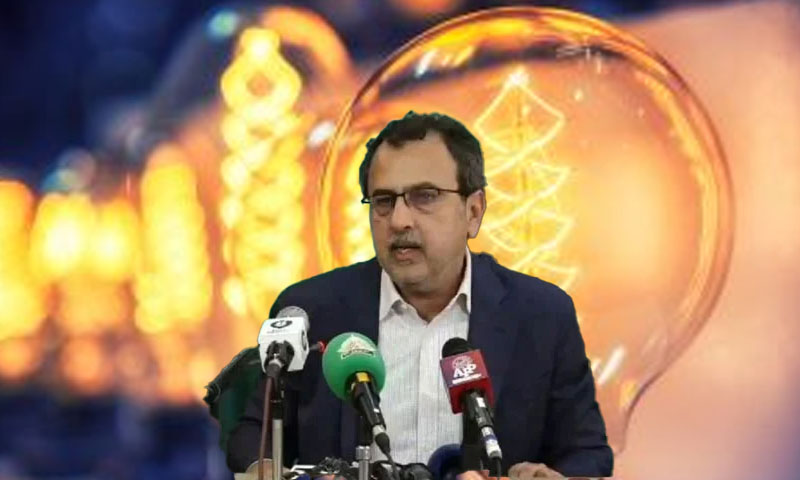
ISLAMABAD: Pakistan has ended free electricity units for power sector employees for the first time in its history, the energy minister said on Friday, calling it a long-standing public demand and a step toward broader sector reforms.
In a tweet on social media platform X, Power Minister Awais Leghari said that the decision was taken on the instruction of Prime Minister Shehbaz Sharif and had also been endorsed by a court.
“Alhamdulillah, for the first time in Pakistan’s history, free electricity units for power sector employees have been done away with. The honour of fulfilling this long-standing demand of the public has been granted to us by Allah,” Leghari said in a tweet.
He said that the government would continue to take all necessary measures aimed at the collective improvement of the country and its people.
“God willing, we will take every step that is in the collective betterment of the country and the nation,” he said.
The minister did not provide further details on how the policy would be implemented or its expected fiscal impact.
On the other hand, Pakistan’s electricity shortfall narrowed to around 3,000 megawatts as improved weather reduced demand and increased water releases from dams boosted hydropower generation, official sources said on Friday.
Total power generation rose to about 16,010 megawatts against demand of 19,000 megawatts, easing pressure on the national grid, the sources said.
Hydropower output increased to around 3,400 megawatts after the Indus River System Authority (IRSA) raised water discharges from key reservoirs, they added.
Thermal power plants were generating about 8,000 megawatts, while nuclear plants contributed 2,880 megawatts.
Electricity generation from wind stood at 1,300 megawatts, solar at 350 megawatts, and bagasse-based plants at 80 megawatts, according to the data.
Officials said that load-shedding had been reduced, with outages in the Islamabad region brought down to zero.
The improvement follows a sharp rise in water releases from major dams.
Officials said that discharges from Tarbela Dam were increased to 30,000 cusecs from 8,000 cusecs, while Mangla Dam releases reached 15,000 cusecs.
Water allocations to provinces were also raised, with Sindh’s share increased to 50,000 cusecs from 35,000, and Punjab’s to 43,000 cusecs from 33,000, the sources said.
Higher water flows are expected to further boost hydropower generation in the coming days, potentially easing power shortages, the officials said.
On Thursday, Energy Minister Owais Leghari said that Pakistan was facing a shortfall of more than 3,400 megawatts, driven by lower hydropower output and disruptions in imported gas supplies.
Leghari had said fluctuating demand due to weather conditions and reduced water releases for irrigation had strained electricity generation, forcing authorities to implement load management during peak hours.
He also cited the impact of regional tensions on liquefied natural gas (LNG) imports, which had curtailed generation from gas-based power plants.
Officials said that the situation could improve further if water inflows remain stable and fuel supply constraints ease.