
- Reuters
- September 13, 2026
Pakistan-flagged tanker first to exit Strait of Hormuz after reported US blockade
-

- Sadia Basharat
- April 17, 2026
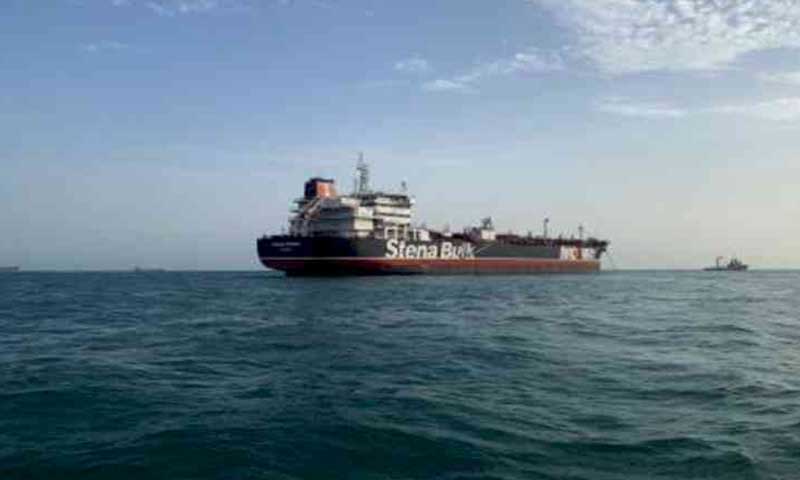
WEB DESK: A Pakistan-flagged tanker has become the first vessel to leave the Persian Gulf through the Strait of Hormuz carrying a crude oil cargo since the United States imposed a naval blockade earlier this week, according to Bloomberg.
The Aframax tanker Shalamar, owned and managed by the Pakistan National Shipping Corporation, sailed south of Iran’s Larak Island late on Thursday and entered the Gulf of Oman. It was carrying approximately 450,000 barrels of Abu Dhabi’s Das Blend crude, loaded at Das Island in the United Arab Emirates.
Shipping data from trackers such as Kpler and LSEG confirmed the movement, which occurred despite sharply reduced traffic through the vital chokepoint. The vessel, only partially laden, has Karachi as its declared destination.
Limited traffic amid US blockade
The US blockade, which began on Monday, targets vessels calling at Iranian ports in an effort to pressure Tehran amid ongoing tensions and stalled ceasefire talks. US naval forces have reportedly turned back multiple ships suspected of links to Iranian trade, with warnings that any vessel attempting to reach Iranian territory could be subject to inspection.
While several tankers have entered the Gulf since the restrictions took effect, outbound crude movements have been extremely limited. The Shalamar’s successful transit after entering the Gulf over the weekend along with another Pakistani-flagged vessel highlights the highly selective nature of current shipping activity.
Industry observers note that even non-Iranian cargoes face heightened risks, with war-risk insurance costs remaining elevated and many operators steering clear of the strait altogether.
Significance for regional oil flows
The Strait of Hormuz is one of the world’s most critical energy arteries, normally handling around a fifth of global oil supplies. The current disruption has raised concerns over potential supply shortages and price volatility, although the Shalamar’s cargo originated from the UAE rather than Iran.
Pakistan, which has sought to maintain neutral diplomatic efforts in the region, has not commented officially on the tanker’s movement. The Pakistan National Shipping Corporation did not immediately respond to requests for comment.
The episode underscores the fragile balance of maritime operations in the Gulf, where commercial shipping continues in limited form even as geopolitical pressures mount. Further transits will be closely watched for signs of whether normal crude exports can resume.
You May Also Like


- Reuters
- September 13, 2026
Trump says ‘very negative forces’ raising exaggerated concerns over AI

- Ayub Tareen
- September 13, 2026