- WEB DESK
- November 19, 2026
Pakistan projected to have most Muslims by 2070, research says
-

- WEB DESK
- November 19, 2026
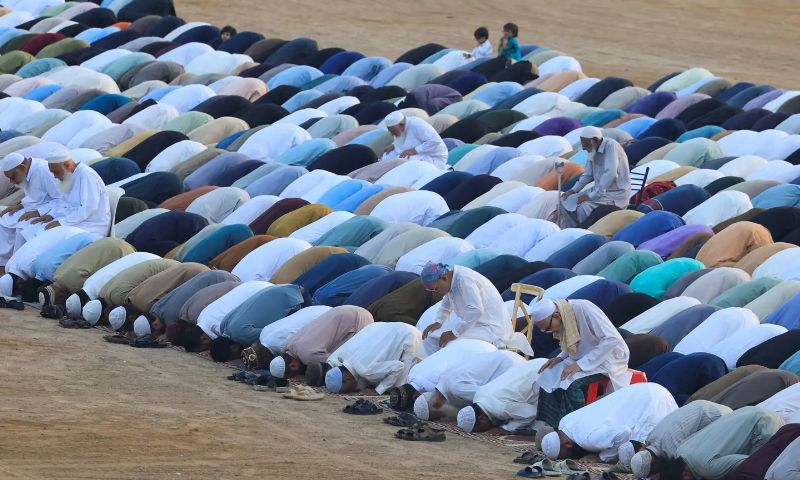
Islam is projected to overtake Christianity as the world’s largest religion by 2035, while Pakistan is expected to become the country with the largest Muslim population by 2070, according to new projections by the Pew Research Center.
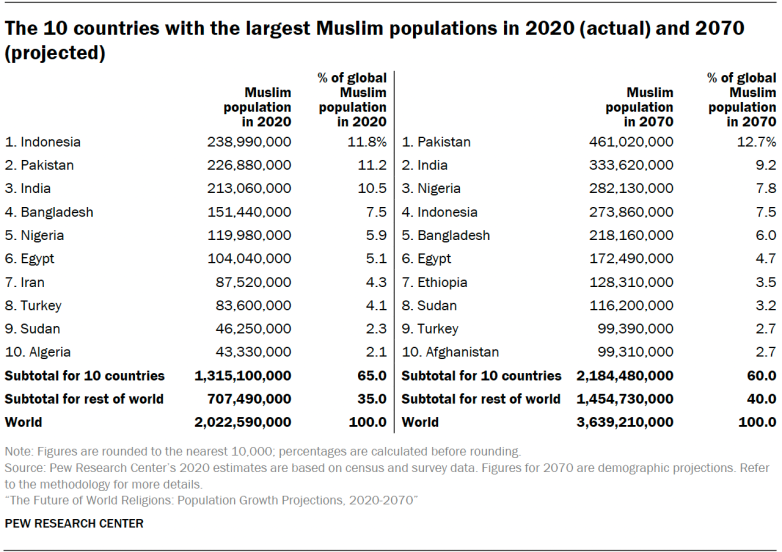
The projections show that the global Muslim population will surpass the Christian population by 2035, with Pakistan’s Muslim population expected to more than double from 227 million in 2020 to 461 million in 2070, moving the country from second to first place globally.
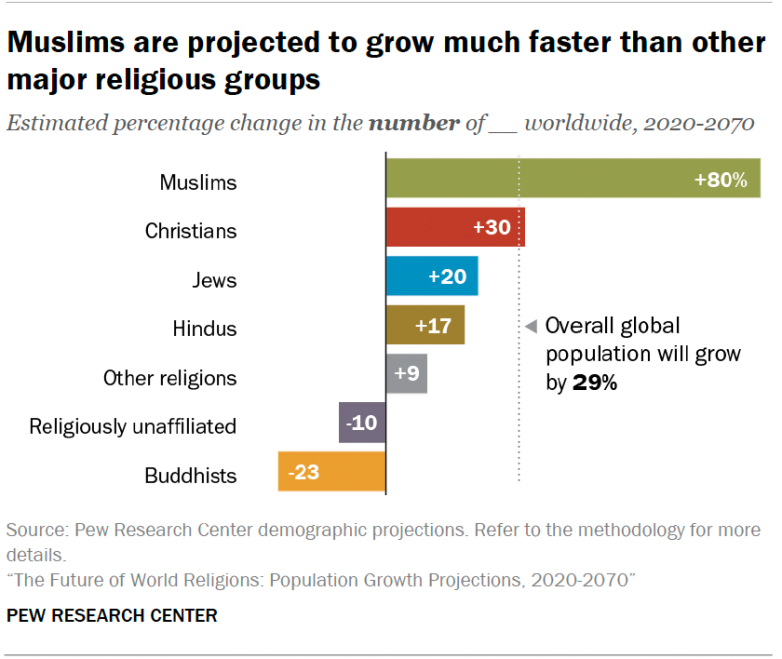
According to the research, Muslims are growing faster than other major religious groups primarily because of higher fertility rates. However, Christianity is also expected to continue growing in absolute numbers over the coming decades.
Muslims projected to drive global religious growth
Pew’s analysis found that Muslim women had an average fertility rate of 3.1 children during 2020-2025, compared with 2.5 among Christian women and 1.6 among women belonging to other religious groups.
The difference in birth rates is expected to be a major driver of the changing religious landscape.
Between 2020 and 2070, Muslims are projected to gain 1.6 billion people through natural population growth, calculated as births minus deaths. The corresponding increase for Christians is estimated at 792 million.
Religious conversion is expected to have a comparatively smaller impact on the two groups’ growth. Pew projects a net loss of eight million people for Islam through religious switching over the period, compared with a net loss of 105 million for Christianity.
The research also estimates that movement between Islam and Christianity will broadly balance out, with 9.2 million Muslims projected to become Christians and nine million Christians expected to become Muslims.
Pakistan set to overtake other countries in Muslim population
Pakistan is expected to witness one of the largest increases in its Muslim population, with the number projected to rise from 227 million in 2020 to 461 million by 2070.
The country, which had the world’s second-largest Muslim population in 2020, is projected to overtake other nations to take the top position.
Pew estimates that most future growth in the global Muslim population will occur in countries where Muslims already constitute the majority.
Of the 1.2 billion additional Muslims projected to live in countries where Muslims were already the majority in 2020, these countries are expected to account for 74% of the total growth in the global Muslim population.
Christianity will also continue to grow
Despite Islam’s projected rise, Christianity is expected to remain a major source of global population growth.
Pew projects that Christian populations in countries where they constituted the majority in 2020 will increase by 630 million by 2070, accounting for 92% of global Christian population growth.
The Democratic Republic of the Congo is expected to record a particularly significant increase, with its Christian population projected to rise from 92 million in 2020 to 299 million in 2070.
In contrast, the United States, which had the world’s largest Christian population in 2020, is projected to see its Christian population decline from 217 million to 174 million by 2070.
The projections also suggest that Muslims will make up 95% of the population in the Middle East and North Africa by 2070.
Pew said its analysis covered 201 countries and territories, representing 99.98% of the world’s population. The projections were based on 2020 population estimates, fertility rates, mortality, migration patterns and religious switching, assuming recent demographic trends continue.
The research is part of the Pew-Templeton Global Religious Futures project and examines projected changes in seven major religious groups between 2020 and 2070.
You May Also Like


- Usman Khan
- November 19, 2026