
- Talha Saeed
- September 21, 2026
Pakistan secures another Qatar LNG cargo after Iran transit deal, Bloomberg reports
-

- WEB DESK
- September 21, 2026
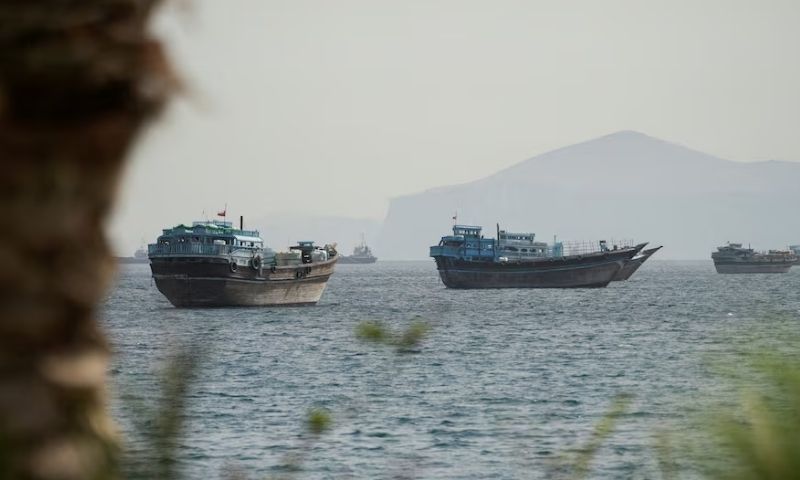
Pakistan has reached an understanding with Iran to facilitate the passage of another liquefied natural gas (LNG) cargo through the Strait of Hormuz, according to a Bloomberg report, offering some relief as continued regional disruptions threaten energy supplies.
Pakistan’s Ministry of Energy, however, did not immediately respond to Bloomberg‘s request for comment, the news agency reported.
Petroleum Minister Ali Pervaiz Malik warned on Sunday that petrol prices in Pakistan could rise to Rs1,000 per litre if the country faces a significant fuel shortage, as surging global oil prices continue to put pressure on domestic energy costs. According to Geo, Malik said petrol prices in Pakistan had already increased by around 50% amid volatility in international oil markets. He added that prices had also risen sharply in Europe and the United States.
The minister said the government was taking measures to provide relief to vulnerable sections of society amid higher fuel costs, while efforts were also underway to boost domestic oil production.
Meanwhile, Bloomberg reported Monday that the LNG tanker had loaded its cargo at Qatar’s Ras Laffan facility in late June before crossing the Strait of Hormuz over the weekend. Ship-tracking data cited by the news agency indicated that the vessel was expected to reach Pakistan’s LNG import terminal by Tuesday.
People familiar with the matter told Bloomberg that the transit arrangement was negotiated between government officials. They spoke on condition of anonymity because the discussions have not been made public.
The cargo would mark the second LNG shipment from Qatar to reach Pakistan this month, Bloomberg reported.
The Strait of Hormuz has experienced significant disruption, restricting the movement of energy shipments through one of the world’s most important oil and gas routes. Bloomberg reported that Pakistan, which relies heavily on imported LNG, has been among the countries affected by the disruption.
According to the report, Islamabad has been leveraging its relationship with Tehran to help facilitate the movement of several LNG cargoes since strikes began in late February. The move comes as Pakistan seeks to safeguard domestic energy supplies and minimise the risk of electricity shortages.
Pakistan seeks to avoid expensive LNG purchases
Bloomberg reported that Pakistan had been considering issuing a fresh tender if the latest LNG shipment was unable to pass through the Strait of Hormuz.
However, receiving the existing cargo would be preferable for Islamabad as LNG prices in the spot market have risen sharply. According to Bloomberg, spot prices have climbed to their highest level since 2022, potentially making replacement purchases considerably more expensive for Pakistan.
The development is significant for a country already facing pressure from elevated energy costs and concerns over supply security.
Pakistan remains heavily dependent on Qatar for its LNG supplies. Bloomberg reported that nearly all of Pakistan’s LNG imports last year came from the Gulf state.
Qatar’s Ras Laffan is home to the world’s largest LNG export facility. Bloomberg cited Qatar’s Energy Minister Saad Sherida Al-Kaabi as saying on Sunday that only a very small volume of Qatar’s LNG is currently being exported through the Strait of Hormuz.
The expected arrival of the latest shipment could provide temporary relief to Pakistan’s energy sector, although uncertainty remains over the broader disruption to LNG traffic through the strategically important waterway.
Malik said work on oil wells had begun and expressed hope that Pakistan could discover domestic crude oil as early as October.
A successful discovery could help reduce the country’s dependence on imported petroleum and lessen its exposure to fluctuations in international oil prices.
Pakistan relies heavily on imported petroleum products to meet domestic demand, making increased local production an important factor in reducing pressure on the country’s energy import bill.
The minister’s warning comes amid heightened uncertainty in international energy markets following renewed conflict in the Middle East.
Malik also criticised attacks by Yemen-based Houthi forces, describing them as unacceptable. Concerns over the security of shipping routes, particularly around the Strait of Hormuz, have contributed to volatility in global oil markets and raised fears of further disruptions to energy supplies.
The latest escalation followed the collapse of a fragile ceasefire reached between Tehran and Washington in June, while Houthi attacks targeting Saudi Arabia’s civilian and economic infrastructure have further heightened concerns over regional stability.
The developments have increased the risk of additional pressure on countries such as Pakistan that rely substantially on imported fuel.
Petrol, diesel prices remain elevated
Following the latest revision in domestic fuel prices, petrol is being sold at Rs389.14 per litre, while high-speed diesel is priced at Rs424.04 per litre.
The sharp increase has prompted the government to introduce measures aimed at easing the financial burden on lower-income and vulnerable motorists.
Prime Minister Shehbaz Sharif recently announced a relief programme offering a discount of Rs100 per litre on petrol for motorcyclists, rickshaw and Chingchi drivers, as well as owners and drivers of vehicles with engines up to 800cc.
Government expands fuel relief scheme
Federal Minister for IT and Telecommunication Shaza Fatima subsequently announced several changes to the relief programme following feedback from the public on Saturday.
Under the revised rules, motorcycles registered from January 1, 2006, are now eligible, replacing the previous cutoff of 2011. The government has also removed the earlier five-litre limit per token, allowing eligible users of motorcycles and three-wheelers to purchase fuel according to their requirements.
Each beneficiary can receive four tokens per month, with each token providing Rs500 in financial relief.
Fatima explained that if two litres of petrol cost Rs780, a beneficiary using a Rs500 relief token would pay Rs280. The government has also abolished SMS charges for all beneficiaries enrolled in the scheme.
By 3pm on Saturday, more than 1.75 million people had reportedly registered for the programme, while around 1.5 million relief tokens had been generated. More than 680,000 tokens had already been redeemed at petrol stations, according to Fatima.
You May Also Like
- Reuters
- September 21, 2026
Trump faces busy UN week as world leaders gather in New York
- Reuters
- September 20, 2026