- Reuters
- September 13, 2026
Pakistan wins WHO drug testing lab nod in major push for pharma sector
-

- Saba Bajeer
- April 30, 2026
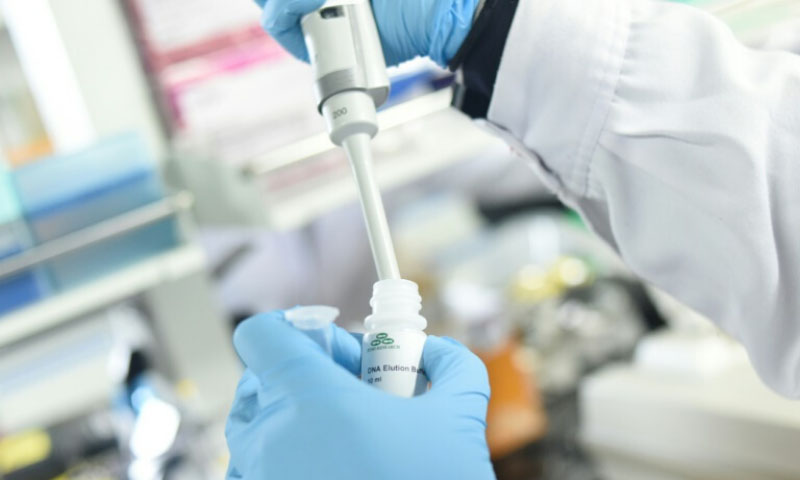
ISLAMABAD: Pakistan has secured World Health Organization (WHO) prequalification for its central drug laboratory, a development the government on Thursday described as a major milestone for the country’s pharmaceutical sector and regulatory system.
Health Minister Mustafa Kamal said at a press conference at the Drug Regulatory Authority of Pakistan (DRAP) that the certification marks the first time a DRAP-linked laboratory has met international standards, allowing drug testing to be carried out domestically instead of being outsourced to countries such as Singapore.
He said that the upgrade would significantly improve quality control of medicines produced in Pakistan and strengthen confidence in the country’s pharmaceutical exports.
“In the past, verification of drug quality was not effective. Now, with this certification, testing can be done within Pakistan under global standards,” Kamal said.
He said that the development would help boost both domestic production standards and international market access, with Pakistan currently exporting medicines to 51 countries.
However, he said regulatory and certification barriers had previously restricted access to more than 100 potential export markets.
Kamal said that Pakistan aims to achieve WHO Level 3 certification within the next six months, which would expand export access to up to 150 countries.
He said that the pharmaceutical sector already produces medicines meeting international standards, adding that the main constraint had been certification rather than quality.
Separately, the health minister said Pakistan had strengthened its national vaccination programme and was now among countries with a formal immunisation policy, providing free vaccines to children.
He said vaccines for 13 diseases were currently being administered, with 51 per cent of the programme funded by the government and 49 per cent supported through external assistance.
Kamal said that by 2030 Pakistan would have to fully finance its vaccine procurement needs, estimated at $340 million at present, rising to $1.2 billion after 2030 as international support phases out.
He said that the government was working to ensure financial and institutional readiness to sustain immunisation coverage in the long term.
You May Also Like

- Reuters
- September 13, 2026
Trump says ‘very negative forces’ raising exaggerated concerns over AI
- Ayub Tareen
- September 13, 2026