
- Reuters
- September 13, 2026
Pakistan’s deft diplomacy: Senator Mushahid Hussain on the US-Iran peace broker and the new global order
-

- Sadia Basharat
- April 18, 2026
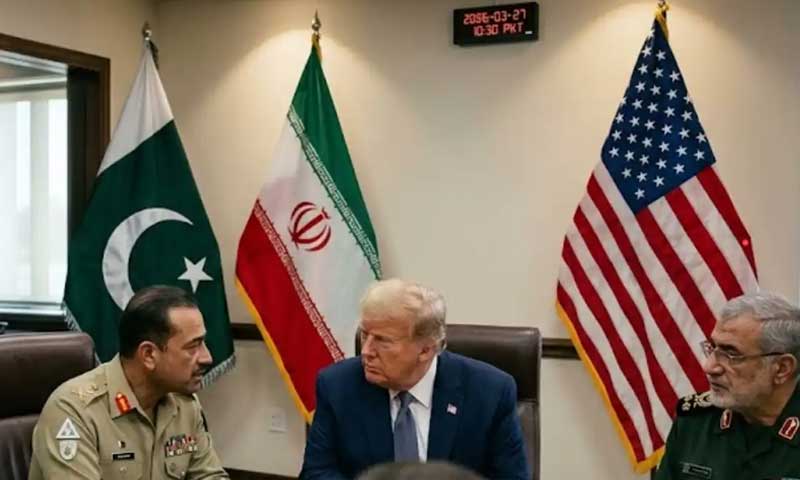
In an era of shifting alliances and simmering regional tensions, Pakistan has positioned itself not merely as a bystander, but as a sophisticated diplomatic bridge.
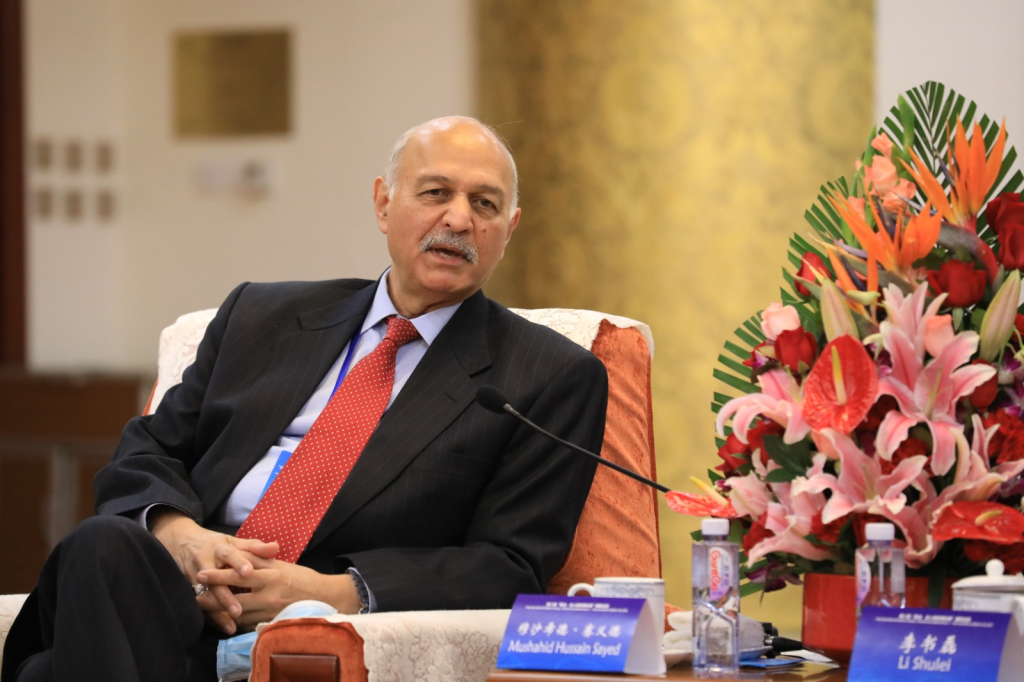
Senator Mushahid Hussain, a veteran voice in Pakistani geopolitics, argues that Islamabad has emerged as a “major Muslim middle power,” uniquely equipped to mediate between long-standing antagonists and navigate the complex influence of global titans like China and the United States.
De-escalation and the myth of the blockade
Addressing the volatile situation in the Gulf, Senator Hussain is quick to clarify the reality of the maritime standoff. He argues that the Strait of Hormuz has become a political casualty rather than a primary cause of conflict.
“Let’s be clear: the Strait of Hormuz is a consequence of the conflict, not the cause,” Hussain asserts. He expresses bewilderment at Washington’s strategy, noting that the waterway was open before the American decision to announce a blockade.
“The U.S. is ostensibly trying to ‘open’ a strait that was already open when the war began. It is convoluted logic.”
According to the Senator, Iran facing the combined military weight of two nuclear-armed states has utilised the Strait as a political lever to regulate traffic and challenge the hegemony of the petrodollar in favour of the petro-yuan.
However, he remains optimistic about a diplomatic exit ramp. “Under international law, the Strait is an international waterway. Iran will respect that law once a comprehensive, durable peace settlement is reached. They aren’t looking for a piecemeal arrangement; they want a lasting solution.”
Regarding the nuclear question, Hussain is equally pragmatic. He dismisses the idea that atomic ambitions remain the “core issue,” pointing to the Oman-facilitated negotiations in February.
“Iran has demonstrated it has no desire to build the bomb, and the U.S. accepts this. We are now talking about technicalities levels and scales of enrichment.
Once the fear of a weaponised programme is removed, the path to the conference table in Islamabad becomes much clearer.”
The “Indo-Israeli Axis” and Pakistan’s rising clout
Turning his gaze toward regional rivals, Hussain paints a stark picture of India’s current standing. He contends that New Delhi has suffered a “triple threat” of failures military, diplomatic, and reputational following the 2025 conflict.
“India has lost big time,” Hussain says. “They received a bloody nose militarily last May, and their credibility in the media is at an all-time low because they misrepresented the facts of the war.” He is particularly scathing regarding the burgeoning relationship between Prime Minister Modi and Israel’s leadership, describing it as an alliance of “expansionism and irredentism” between Zionism and Hindutva.
“India’s self-image of a ‘Shining Rising India’ that can counter China has been hit for a six. It is no longer the favourite of America in our part of the world. Instead of a rising power, we now see a ‘whining’ India.”
Despite this perceived decline, the Senator warns against complacency, labelling India and Israel as “spoiler states” intent on destabilising Pakistan. However, he maintains that Pakistan’s successful conventional military response last year serves as a potent deterrent.
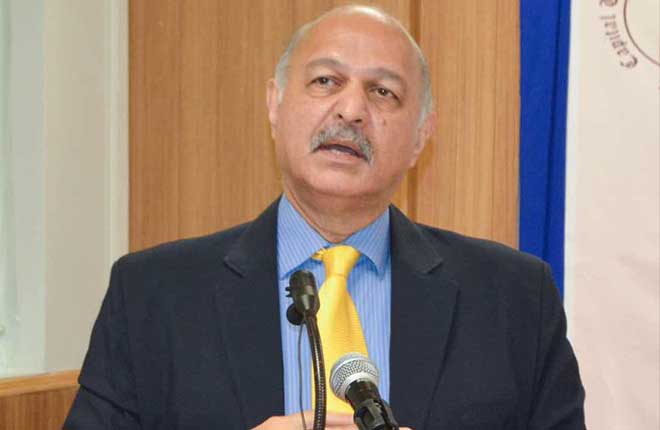
Ultimately, Hussain sees this turbulence as an opportunity for Pakistan to cement its status as a global player. By facilitating dialogue between Tehran and Washington, and with the quiet backing of China, Islamabad has become the “centre stage of global diplomacy.”
“Pakistan’s prestige and clout have reached a different level,” he concludes. “We are the bridge between Washington and Iran in a time of war.
Our deft diplomacy is not just preventing a catastrophe; it is ensuring that the world’s most strategic region finds a way back to the conference table.”
You May Also Like
- WEB DESK
- September 13, 2026
Scotland, Wales and Northern Ireland unite over independence push
- Reuters
- September 13, 2026
Trump says he would ‘love’ to see a united Ireland
- Reuters
- September 13, 2026