
- AFP
- October 21, 2026
PIDE proposes Rs45,000 monthly minimum wage benchmark for FY2026-27
-

- Sadia Basharat
- June 3, 2026

WEB DESK: The Pakistan Institute of Development Economics (PIDE) has recommended raising the national minimum wage to Rs45,000 per month for the fiscal year 2026-27, marking a 12.5pc increase from the current Rs40,000 level, as part of a comprehensive shift towards an evidence-based wage governance system.
In its Policy Viewpoint No. 62 titled “Reforming Minimum Wage Determination in Pakistan: From Wage Announcements to Wage Governance,” PIDE has outlined a hybrid framework that incorporates purchasing power protection, family living costs, labour market realities, and productivity considerations while aligning with International Labour Organization principles.
The proposal seeks to replace the existing annual announcement practice with a transparent, rules-based mechanism.
Balancing worker welfare and economic sustainability
Applying the new methodology to data from the Pakistan Bureau of Statistics and the Ministry of Planning, the study establishes a national reference benchmark of Rs45,000.
PIDE Vice Chancellor Dr Nadeem Javaid emphasised the need for reform, stating that minimum wage policy “cannot remain a ceremonial annual exercise disconnected from economic realities and labour welfare.”
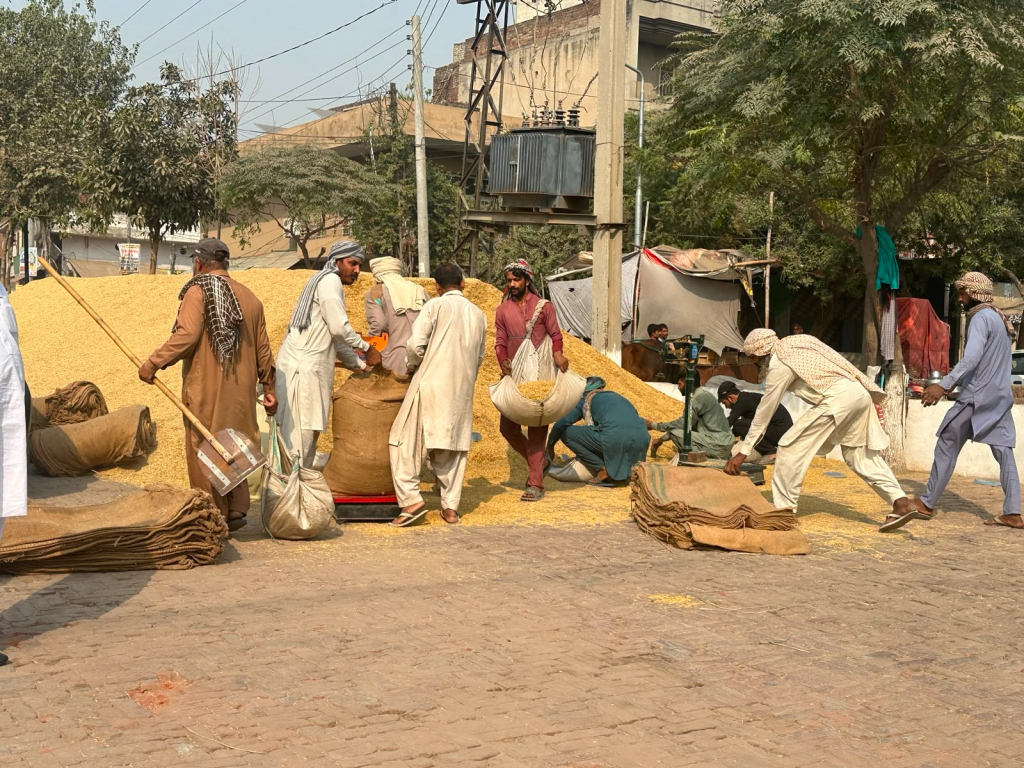
Dr Javaid, who is also a member of the Planning Commission, added that Pakistan requires a credible system to balance worker protection, business sustainability, and macroeconomic stability.
He noted that a country aiming for export-led growth cannot afford working poverty and wage uncertainty.
Provincial calibration and phased enforcement
The framework proposes a “national reference benchmark with provincial calibration” model, allowing provinces to set wages at or above the national floor according to local conditions. Indicative figures suggest Rs45,000 for Punjab and Khyber Pakhtunkhwa, Rs46,000 for Sindh, and Rs45,500 for Balochistan.

Professor Dr S.M. Naeem Nawaz, co-author of the study, stressed the importance of realism. “A credible wage floor must be one that workers can realistically receive and provinces can realistically enforce,” he said, highlighting that nearly 80 per cent of employment in Pakistan remains informal.
The report recommends starting enforcement with public procurement, government contracts, and large formal establishments before gradually extending it to small and medium enterprises, agriculture, and domestic work.
It also calls for provinces to publish annual implementation reports to ensure transparency and accountability.
PIDE has forwarded the proposal to the Planning Commission for further consideration, urging the adoption of the Rs45,000 benchmark and the broader governance architecture to address inflation pressures, rising food insecurity, and the need for greater social stability.