- Web Desk
- 9 Minutes ago
PM orders emergency response body as NDMA warns of abnormal monsoon rains
-

- Web Desk
- Now
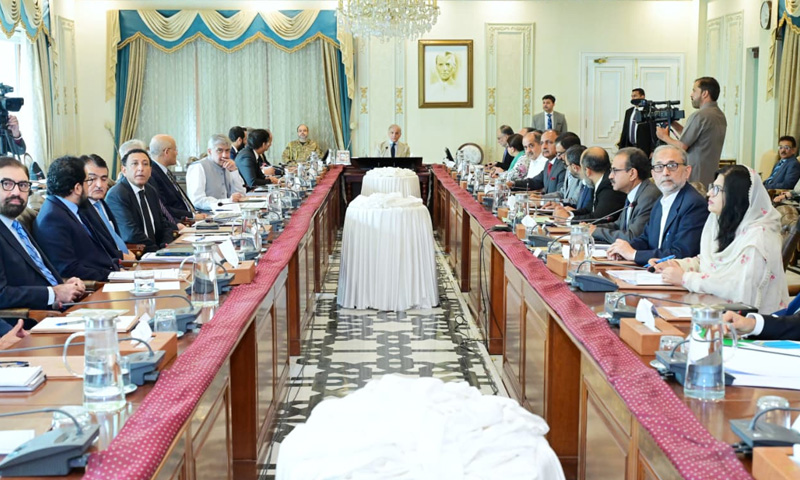
ISLAMABAD: Prime Minister Shehbaz Sharif on Wednesday ordered the creation of a high-level federal emergency response committee as Pakistan braced for “abnormal” monsoon rainfall and severe heatwaves.
The PM issued the directives after a briefing by the National Disaster Management Authority (NDMA), which warned that global climate anomalies would bring intense heatwaves and unusual precipitation to Pakistan in July.
“Pakistan is among the countries most affected by the adverse impacts of climate change,” Sharif said during a high-level review meeting in Islamabad.
“Effective and comprehensive cooperation at the federal and provincial levels is indispensable to tackle these national-level environmental risks.”
To ensure rapid coordination, Sharif instructed the federal minister for climate change and the NDMA chairman to conduct emergency visits to all four provinces, as well as Azad Jammu and Kashmir and Gilgit-Baltistan to finalise monsoon preparedness.
The newly formed emergency response committee, to be overseen by the Minister for Planning and Development, Ahsan Iqbal, will hold weekly meetings and work directly with provincial disaster units to streamline field operations.
As part of the contingency planning, Sharif directed Finance Minister Muhammad Aurangzeb to pre-arrange emergency relief funds to cope with potential flood damage.
The premier said that the federal government has allocated an additional Rs330 billion in the current financial budget to expedite the completion of critical water and anti-flood infrastructure projects aimed at ensuring national water security.
Pakistan is still recovering from the catastrophic 2022 monsoon floods, which submerged a third of the country, killed over 1,700 people, and caused more than $30 billion in economic damages.
Drawing on past experiences, Sharif urged provincial governments to launch immediate anti-encroachment drives to clear natural waterways, riverbeds, and potential flood paths in high-risk districts.
He also noted that foreign-funded climate initiatives must be strategically directed toward enhancing the technical and operational capacity of local institutions.
The meeting was attended by senior civilian leadership, including Defence Minister Khawaja Asif, Law Minister Azam Nazeer Tarar, the chief secretaries of all provinces, and the head of the Water and Power Development Authority (WAPDA).
You May Also Like

- Web Desk
- 43 Minutes ago
Rawalpindi police arrest three more escaped prisoners