- WEB DESK
- October 25, 2026
President Zardari approves June 5 budget sessions for National Assembly, Senate
-

- Zoya Anwer
- May 29, 2026
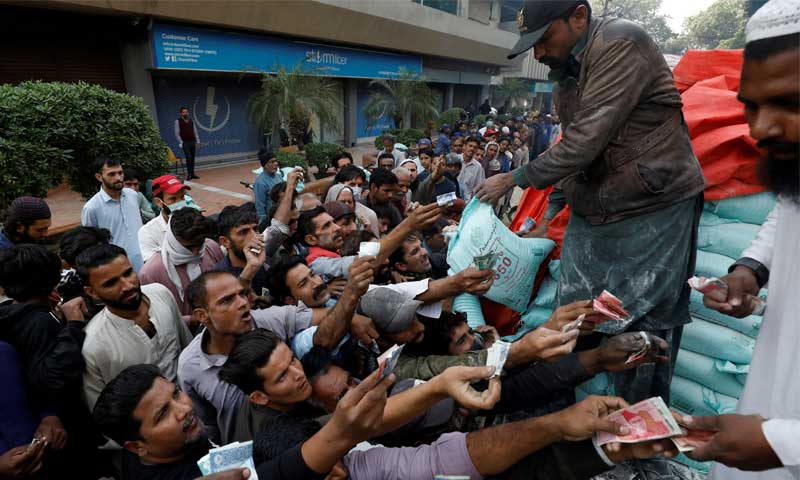
ISLAMABAD: President Asif Ali Zardari has approved the convening of the federal budget sessions of both houses of parliament. According to the announcement, the National Assembly will meet on June 5 at 5pm, followed by the Senate session at 6pm the same day.
The budget sessions will formally begin deliberations on the federal budget for the upcoming fiscal year, marking the start of one of the most important parliamentary proceedings in the country’s legislative calendar.
Proposals to increase salaries and pensions of salaried employees and retirees are under consideration in the upcoming federal budget for the next financial year. Advisor to the Prime Minister and Senator Rana Sanaullah Khan said the government is prioritising public relief in the budget and will particularly focus on providing facilitation to the salaried class. According to sources, the budget will be presented in line with the International Monetary Fund’s (IMF) recommendations and consultations, and most of the key matters have now entered their final stages of approval.
IMF sets Pakistan’s Rs17.1tr revenue target for FY27 amid sweeping reforms
The IMF has projected Pakistan’s federal revenues at Rs17.145 trillion for the 2026–27 fiscal year, setting an ambitious target alongside a series of fiscal and structural reforms outlined in its latest staff report.
The projection includes Rs430 billion in new budgetary measures and an 18% increase in the petroleum levy target, which is expected to rise to Rs1.73 trillion. The IMF also estimates that provinces will mobilise an additional Rs430 billion through improved tax collection, particularly from sales tax on services and agricultural income tax, raising their total revenues to Rs1.95 trillion.
The Federal Board of Revenue (FBR) has been assigned a Rs15.264 trillion target for FY27, representing a 13.7% increase over the current fiscal year. The IMF expects around 12% organic growth driven by inflation and economic expansion, while the remainder is to come from enforcement and administrative reforms.
The report also outlines commitments including Rs95 billion from tax audits, improved sales tax enforcement, and higher recoveries from key sectors such as sugar, cement, tobacco, and fertiliser. Provincial governments are also expected to return a larger cash surplus equivalent to 1.4% of GDP.
Pakistan has agreed to increase Benazir Income Support Programme (BISP) payments to Rs18,000 per family, with the IMF linking tariff relief in the power sector to targeted social protection under BISP.
Growth outlook, subsidies, and structural reforms
The IMF projects Pakistan’s economic growth at 3.5% and average inflation at 8.4% for FY27, while also highlighting tighter fiscal discipline measures across sectors. Defence spending is projected to rise to Rs2.665 trillion, while interest payments are expected to reach Rs7.8 trillion, underscoring continued fiscal pressure.
Development spending is also set to increase, with the Public Sector Development Programme rising to Rs986 billion and provincial development budgets reaching Rs2.5 trillion. However, power sector subsidies will be capped at Rs830 billion, down significantly from the previous year, with a shift toward targeted relief through BISP instead of blanket subsidies.
The IMF has also called for reforms in energy pricing, circular debt reduction, and settlement of disputes with K-Electric. It has urged Pakistan to adopt a national sugar policy, reduce state intervention in commodity markets, and phase out incentives for special economic zones by 2035.
Additional commitments include strengthening governance in key institutions, improving anti-corruption frameworks, and digitising all government payments by June 2027. The Fund also stressed full cost recovery in the energy sector and timely tariff adjustments.
An IMF mission was earlier present in Pakistan to finalise budgetary parameters ahead of the federal budget for 2026–27, expected to be presented next month.
You May Also Like