- Uzair Chaudhary
- August 6, 2026
Punjab to introduce e-marking system for matric exams from 2027
-

- Umer Saddique
- August 6, 2026
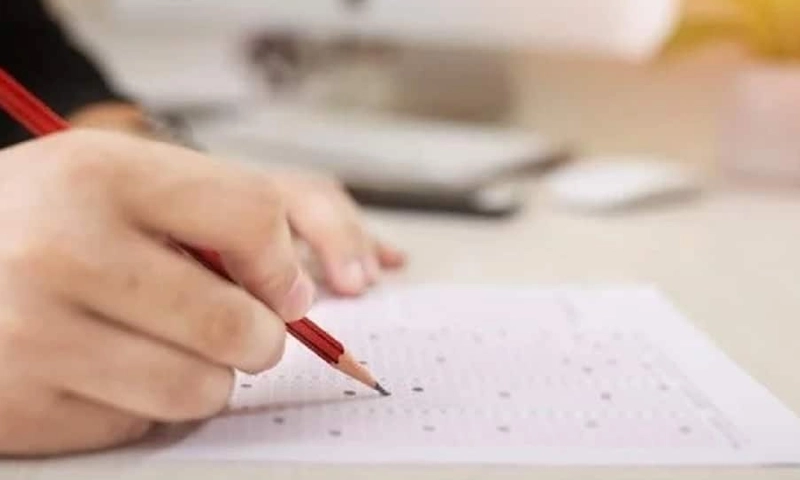
LAHORE: The Punjab government has decided to introduce an e-marking system for the checking of matric examination papers from next year as part of efforts to improve transparency, accuracy and uniformity in the assessment process.
The announcement was made by Punjab Education Minister Rana Sikandar Hayat while addressing a ceremony held in honour of matric position holders.
The minister said that the provincial government was accelerating the digitalisation of education boards and would replace the existing manual paper-checking system with screen-based marking from the next academic year.
“We will no longer check examination papers manually from next year,” Sikandar said, adding that each answer sheet would be assigned a QR code to facilitate digital evaluation.
He said the e-marking system was aimed at ensuring greater transparency, consistency and accuracy in the marking process while reducing the possibility of human error.
The minister added that the government would also further strengthen the centralised paper-checking mechanism to improve the overall examination system.
As part of the digital reforms, students will no longer need to obtain hard copies of their result cards.
Instead, matric students will be able to download their result cards online, while students enrolled in private schools will have access to their results through their respective institutions’ online portals.
According to the minister, the digital result cards will carry e-stamps for verification, eliminating the need for separate attestation or authentication.
Sikandar also announced that students would be able to apply for rechecking of examination papers through QR codes, making the process more accessible and transparent.
In addition, the Punjab government has introduced an AI-powered chatbot to provide students with information and guidance regarding examinations, results and other academic matters.
The latest measures are part of the provincial government’s broader initiative to modernise Punjab’s examination system by integrating digital technologies and improving service delivery for students.