- Farah Mehjabeen
- October 26, 2026
Qatar, Pakistan mediators hold separate talks with US, Iran negotiators in Doha: FO
-

- Zoya Anwer
- July 2, 2026
ISLAMABAD: Qatari and Pakistani mediators have completed separate meetings with American and Iranian negotiators in Doha, the Foreign Office said on Thursday, as efforts to advance a US-Iran memorandum of understanding continue.
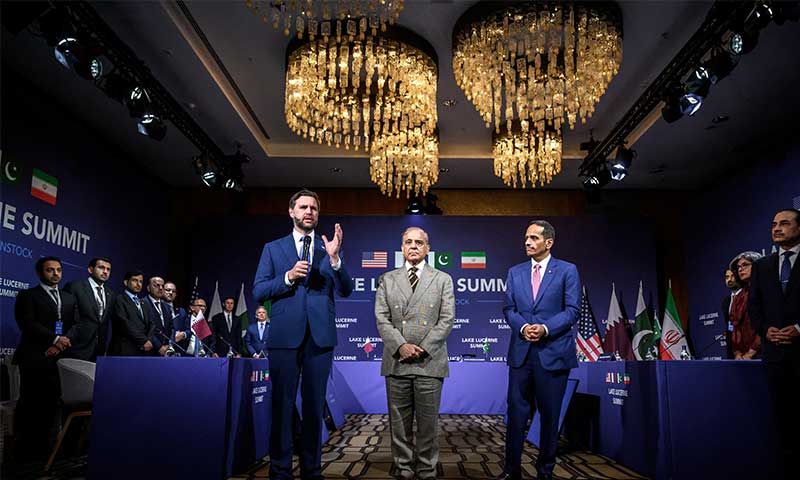
Foreign Office spokesperson said “positive progress” had been made on various aspects of the memorandum, describing it as a continuation of the momentum built at the Bürgenstock summit on Lake Lucerne.
Both sides have agreed to continue the round of talks in the coming days, the spokesperson said.
The next date for negotiations will be finalised after the funeral rites of Iran’s former Supreme Leader conclude, the spokesperson added.
Iran ‘cannot’ have nuclear weapons
US President Donald Trump said ongoing negotiations with Iran were progressing well and remained primarily focused on denuclearisation, reiterating that Iran “cannot have a nuclear weapon.” He said he had held productive meetings with Iranian officials and suggested further developments would emerge in the coming days. Trump also referred to a major strike carried out against Iran last week and commented on improving stock markets and broader economic issues.
Meanwhile, US and Iranian officials held technical talks in Doha under Qatari mediation, alongside Pakistan, as part of efforts to secure a lasting peace agreement, restore normal shipping through the Strait of Hormuz and advance a ceasefire reached last month. The discussions are based on a 14-point interim agreement signed in June, which halted hostilities and launched a 60-day process to negotiate a permanent settlement.
Negotiators focused on key issues including the future management of the Strait of Hormuz and the release of $6 billion in frozen Iranian assets. While the United States is seeking guarantees for uninterrupted commercial shipping, Iran is pushing for international recognition of its authority over the strategic waterway and the right to levy transit fees. The agreement also aims to reduce tensions in Lebanon through parallel diplomatic efforts. Both Washington and Tehran are facing growing domestic pressure to prevent the conflict from escalating again.
Islamabad MoU
Earlier on June 22, Prime Minister Shehbaz Sharif welcomed the outcome of the first high-level committee meeting held under the Islamabad Memorandum of Understanding (MoU) in Switzerland, describing it as an important step towards a peaceful resolution of tensions between the United States and Iran. The talks, held in Bürgenstock, concluded with the two sides agreeing on a roadmap to negotiate a final agreement within 60 days, the formal establishment of a High-Level Committee to oversee the process, and the launch of further technical discussions.
The meeting built on the Islamabad MoU, brokered by Pakistan, which paved the way for direct US-Iran engagement aimed at ending hostilities, reopening the Strait of Hormuz to commercial shipping and addressing broader issues including sanctions and Iran’s nuclear programme. Pakistan and Qatar, which mediated the process, issued a joint statement describing the discussions as constructive and reaffirming their commitment to facilitating dialogue.
Sharif praised the leadership of both countries for pursuing diplomacy and thanked Qatar and Switzerland for their roles in supporting the negotiations. He also credited Field Marshal Syed Asim Munir, Deputy Prime Minister and Foreign Minister Ishaq Dar, the Foreign Office and Interior Minister Mohsin Naqvi for their contributions, reiterating Pakistan’s commitment to supporting dialogue and a lasting peaceful settlement.
You May Also Like