- Web Desk
- Mar 31, 2026
Quetta: Metropolitan Corporation fires all daily wage workers
-

- Web Desk
- Aug 17, 2024
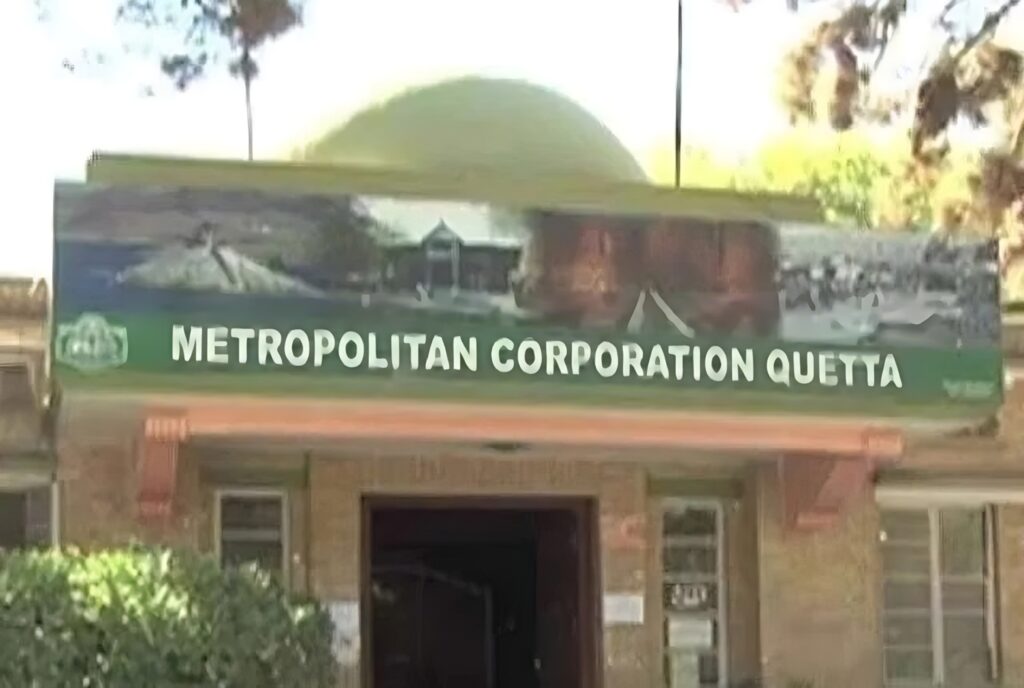
QUETTA: The Metropolitan Corporation Quetta dismissed all of its daily wage workers, following the discovery of a significant number of ghost employees.
The Commissioner of Quetta Division and Administrator of Metropolitan Corporation Quetta, Muhammad Hamza Shafqat, announced the decision.
Read more: Sindh govt announces public holiday on August 20
Shafqat stated that about 1,400 employees, including those in sanitation, fire services, and other areas, were dismissed due to their non-performance and the financial strain they placed on the institution.
The goal is to reduce costs and improve efficiency within the organisation.
Only those employees in the fire department who have consistently performed their duties will be rehired. For future recruitment, each case will be reviewed individually.
The commissioner also directed that no salaries for daily wage employees be processed beyond August 16.
Read more: Sindh’s massive ghost teacher issue: 6,342 uncovered
Public offices in Pakistan are often plagued by ghost employees. Earlier in August, an investigation revealed that 6,342 ghost teachers were drawing salaries without teaching in the Sindh Education Department.
The Director General of Monitoring and Evaluation for the School Education and Literacy Department highlighted this issue in a report to the Sindh Education Secretary, uncovering that some retired employees were also fraudulently receiving pensions and benefits.
Similarly, the Khyber Pakhtunkhwa government last year requested a detailed report on 418 ghost schools in the merged tribal districts. The schools had been non-functional for years with South Waziristan having the highest number of closed schools at 160.
This was followed by Kurram with 80, North Waziristan with 67, Bajaur with 77, and Khyber with 25. The non-operational schools included 246 girls’ schools and 172 boys’ schools.
The closures were attributed to security issues, territorial disputes, staff absences, and lack of facilities.
You May Also Like