Rubio sees no imminent threat to Washington amid Iranian ‘dirty bomb’ reports

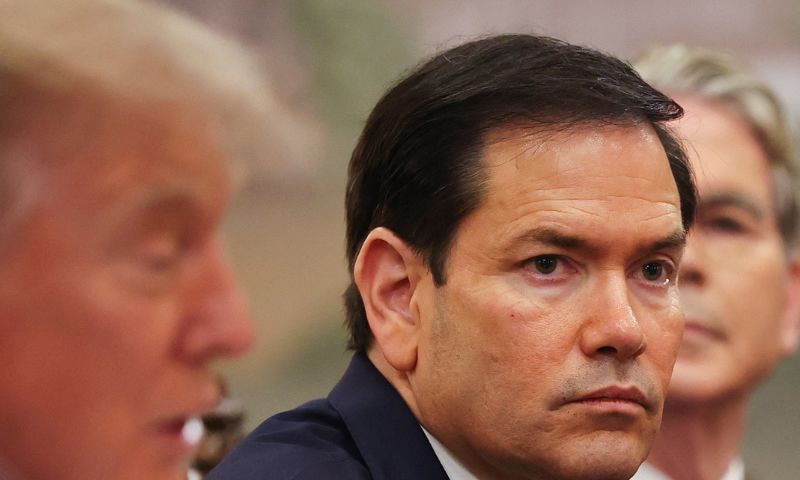

MANILA/ WASHINGTON/ISLAMABAD: US Secretary of State Marco Rubio has said there is no imminent threat to Washington following reports that Iran was allegedly exploring plans for a possible ‘dirty bomb‘ or chemical attack in the US capital, while Tehran has dismissed the allegations as propaganda.
Rubio, speaking in Manila on Wednesday, said the US was not aware of any immediate threat but remained vigilant about potential security risks.
“I don’t think there is any imminent threat,” Rubio said, responding to a CNN report that cited US intelligence assessments suggesting Iran had been exploring potential attacks involving chemical weapons or a dirty bomb in Washington.
He said the US government was constantly monitoring threats to ensure the safety and security of the country. The conflict began on February 28, when the United States and Israel launched attacks on Iran. Tehran retaliated with strikes against Israel and Gulf states hosting US military bases. The fighting, alongside Israeli attacks in Lebanon, has killed thousands and displaced millions, further intensifying regional security concerns.
Meanwhile, US President Donald Trump also said his administration was looking into the reports, warning that Washington would retaliate heavily if attacked.
“We’re looking into it,” Trump said on Tuesday, adding that if an attack took place, Iran would face “a price the likes of which no country has ever paid before”.
The president said he hoped there was no threat but stressed that the administration was taking the matter seriously.
CNN report raises concerns over possible attacks
CNN, citing seven US officials, reported on Tuesday that intelligence assessments indicated Iran had been exploring potential plans for a dirty bomb or chemical attack targeting Washington.
The report said the alleged planning included specific locations and potential targets, including senior Trump administration officials, although the intelligence did not suggest an attack was imminent or that Tehran had made a decision to carry it out.
US officials were reportedly divided over the credibility of the intelligence, with concerns also raised about chatter suggesting materials needed for bomb-making could have been prepositioned inside the United States.
A dirty bomb is a conventional explosive device designed to disperse radioactive material. Unlike a nuclear weapon, it does not produce a nuclear explosion but can spread radioactive contamination, potentially causing panic, disruption and long-term health concerns.
The CNN report also highlighted separate intelligence concerns about the possible use of chemical weapons against US troops in the Middle East, prompting contingency planning to protect diplomatic and intelligence personnel.
Tehran rejects allegations, accuses media of propaganda
Iran has also rejected the allegations, with Foreign Minister Abbas Araghchi accusing pro-Israel media of spreading what he described as propaganda about alleged Iranian plans to use chemical weapons in Washington.
In a post on X on November 17, Araghchi also dismissed reports alleging Iran was building missile bases under dams, calling the claims “rubbish”.
“Spare us the Iraq War-style propaganda, especially with Israeli fingerprints all over it. Nobody is buying it,” he wrote.
Iran’s foreign ministry separately described the chemical weapons allegations as baseless, while its mission to the United Nations said Tehran considered the use of chemical weapons under any circumstances illegitimate and rejected what it called “false and fabricated” allegations.
The Iranian UN mission’s statement did not directly address the reported dirty bomb plot.
Iran conflict fuels regional security concerns
The reported intelligence comes amid escalating hostilities between the United States and Iran, with the conflict also affecting Gulf states hosting American military installations.
Rubio also spoke with Bahrain’s Foreign Minister Abdullatif bin Rashid Al Zayani following Iranian drone attacks, according to the US State Department, condemning the attacks and reaffirming Washington’s security commitment to Bahrain and its Gulf partners.
Bahrain said it intercepted and destroyed several Iranian aerial attacks on Sunday, marking the first interceptions since September. Iran’s Islamic Revolutionary Guard Corps claimed it had launched six drones at a US military base in Bahrain in retaliation for what it described as hostile American actions.
The IRGC had also claimed an attack on a US early-warning radar system two days earlier. The US military denied that the radar had been damaged and said it had intercepted two drones.
You May Also Like
- AFP
- November 17, 2026
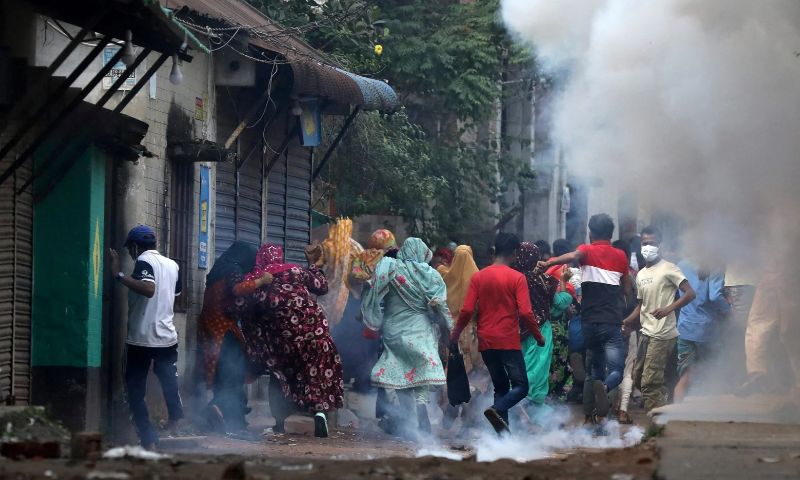
Bangladesh garment workers, police clash in fresh wage protest

- WEB DESK
- November 17, 2026