
- Monis Siraj
- August 21, 2026
Saudi Arabia urges Washington to ease Hormuz blockade amid escalation fears
-

- Sadia Basharat
- April 14, 2026
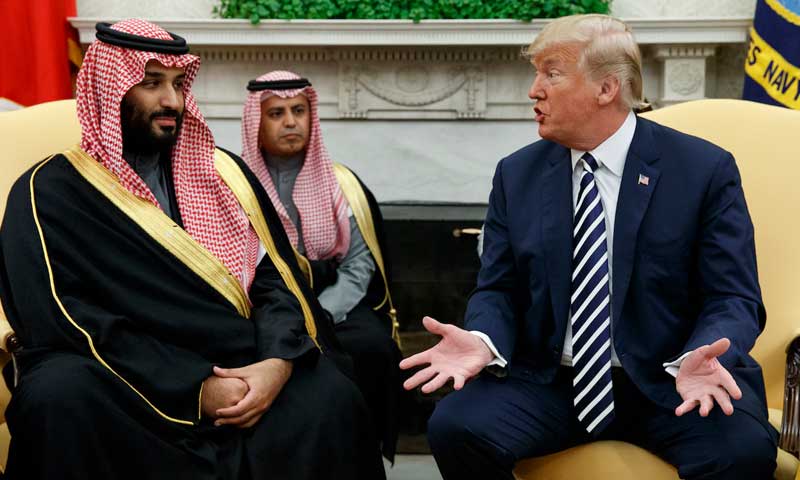
WEB DESK: Less than twenty-four hours after the United States enforced a naval blockade on Iranian ports within the Strait of Hormuz, Saudi Arabia has reportedly begun private diplomatic manoeuvres to urge Washington to reconsider.
Sources close to the matter suggest that Riyadh is pressing for a swift return to the negotiating table, fearing that the coercive measures could shatter the fragile regional stability established during the recent Islamabad Talks, according to TRT.
While the blockade aims to curb Tehran’s influence, the Kingdom is wary that such a direct affront could provoke a symmetrical response, potentially drawing the region into a wider maritime conflict that neither side is prepared to manage.
The threat of a chokepoint domino effect
The primary concern for Saudi officials is the “Security-Development Nexus” regarding the region’s vital maritime arteries. Riyadh fears that continued U.S. pressure in the Strait of Hormuz will prompt Iranian-backed Houthi forces to retaliate by disrupting traffic through the Bab al-Mandab Strait and the Red Sea.
This scenario is particularly perilous for the Kingdom, which has increasingly relied on its East-West Pipeline to Yanbu as a strategic alternative to bypass the Persian Gulf.
If the Red Sea route were to be compromised, the global energy market would face unprecedented volatility, with insurance premiums for tankers already beginning to soar in anticipation of renewed hostilities.
Fragile diplomacy and the Islamabad factor
This sudden friction arrives at a delicate moment for regional diplomacy, following the recent efforts in Pakistan to secure a lasting ceasefire.
Although the “Islamabad Accord” remains technically active, the imposition of the blockade is seen by many Gulf states as a threat to the mediating role played by neutral parties.
There is a growing consensus among regional powers that de-escalation and sustained dialogue offer a more sustainable path to security than prolonged economic or military coercion.
As diplomatic channels remain open, the international community is watching closely to see if Washington will heed the warnings from its closest regional allies or continue its “maximum pressure” trajectory.