- WEB DESK
- October 6, 2026
Seoul coordinates with Tehran to ensure crucial passage for stranded oil vessel
-

- Sadia Basharat
- May 20, 2026
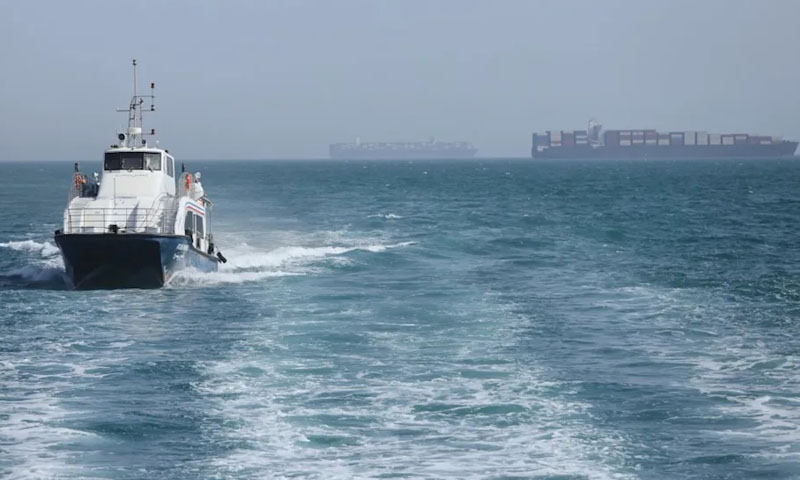
WEB DESK: A South Korean crude oil vessel has successfully begun its passage through the volatile Strait of Hormuz after direct diplomatic intervention and coordination with Iranian authorities, South Korean Foreign Minister Cho Hyun has announced, according to Al Jazeera.
The movement marks a significant development for Seoul, which has been working fiercely behind the scenes to secure the release of dozens of commercial ships caught in the middle of a heavily militarised maritime standoff.
Speaking to reporters, Cho confirmed that the transit was achieved following close communication and agreement with Tehran, ensuring the safe routeing of the energy shipment through the vital global chokepoint.
Diplomatic breakthrough amidst regional gridlock
The breakthrough follows months of severe disruption in the Gulf, sparked by the outbreak of the US-Iran conflict in late February. The maritime corridor, which usually handles a fifth of the world’s oil supply, has been plagued by naval blockades, skyrocketing insurance costs, and recent drone strikes on commercial shipping.
According to South Korean foreign ministry data, as many as 26 vessels linked to South Korea had been effectively stranded or anchored around the strait due to the de facto blockade.
While Iran recently reiterated that the shipping lane remains open to commercial traffic, Tehran has strictly mandated that all neutral vessels must coordinate explicitly with the Iranian Navy before attempting to pass through its monitored operational zones.
Energy security and the cost of isolation
For South Korea, resolving the gridlock is a matter of critical national interest. The East Asian nation relies on the Middle East for roughly 55 per cent of its crude oil and energy imports, leaving its domestic economy acutely vulnerable to prolonged shipping disruptions.
While international ratings agencies warn that a full, unrestricted reopening of the Strait of Hormuz remains unlikely in the near future, the successful transit suggests that major Asian oil importers are increasingly turning to ad-hoc, bilateral pacts with Tehran to keep their energy lifelines flowing.
South Korea’s diplomatic breakthrough comes just days after Foreign Minister Cho held an urgent phone call with his Iranian counterpart, Abbas Araghchi, to address maritime safety following a suspected strike on a South Korean cargo ship earlier this month.