
- WEB DESK
- October 26, 2026
Sidra Arab ‘honour killing’ case transferred to anti-terrorism court
-

- Muhammad Zareef
- June 27, 2026
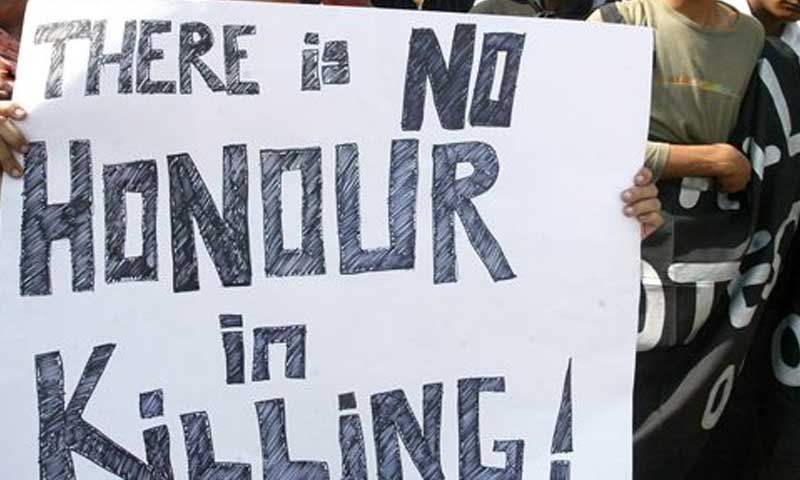
RAWALPINDI: The trial in the murder case of 19-year-old Sidra Arab, who was allegedly killed on the orders of a jirga last year, has been transferred to an anti-terrorism court after terrorism and lynching-related charges were added to the case.
According to court proceedings, a revised charge sheet was submitted on the instructions of the prosecutor general, while the court assigned Inspector Tariq Gondal to conduct the investigation.
The case had previously been pending before a district court, where the charge sheet had already been filed and the accused had been indicted.
However, after the inclusion of Sections 7 of the Anti-Terrorism Act and 11-WW of the Anti-Terrorism Act, the trial was transferred to the anti-terrorism court, where proceedings will now continue. The case was registered at Pirwadhai police station, and police arrested 13 suspects, including the victim’s father, brother, uncle, former husband and the secretary of the cemetery where she was buried. The accused were granted bail by the court after spending eight months in jail.
Background of the case
The case stems from the alleged killing of Sidra Arab, a 18yo married woman, in July 2025 after a jirga reportedly rejected her decision to marry a man of her choice.
According to the police investigation, Sidra had divorced her first husband and, after completing her iddat period, married Usman in Muzaffarabad. She had also recorded a statement before a judicial magistrate, saying the marriage was consensual and expressing fears for her safety. Investigators said she was later persuaded by relatives to return to Rawalpindi on the pretext of a traditional rukhsati, after which she was allegedly killed on the orders of a jirga comprising family members and former in-laws.
Police alleged that after the killing, Sidra’s body was buried secretly at a local graveyard before dawn on July 17, 2025, and the grave’s identifying markers were removed in an attempt to conceal the crime. Investigators later exhumed the body, seized CCTV footage, burial records and the vehicle used to transport the body, and expanded the investigation to include members of the jirga as well as individuals accused of helping destroy evidence.
The case was subsequently taken over by the state under Section 311 of the Pakistan Penal Code, making it a non-compoundable offence that could not be settled through a compromise between the parties. Police eventually arrested 13 suspects, including Sidra’s father, brother, uncle, former husband and officials associated with the cemetery where she was buried.
In May this year, the Supreme Court took up an appeal filed by the Punjab Prosecution Department against the grant of post-arrest bail to several of the accused. The prosecution argued that the suspects had played a central role in the alleged honour killing, that witness statements placed them at the crime scene, and that the Lahore High Court had erred in granting bail. It also contended that the accused could influence witnesses if allowed to remain free.
The apex court issued notices to the accused and adjourned further proceedings, while the trial continued in the lower courts. With terrorism and lynching provisions now added to the case, the proceedings have been shifted from the district court to an anti-terrorism court.
You May Also Like



- WEB DESK
- October 26, 2026
Senate passes consumer protection, criminal procedure bills
- WEB DESK
- October 26, 2026