- WEB DESK
- October 24, 2026
Sindh forms JIT into Mir Raza killing, moves against police officers named in judicial commission report
-

- Syed Arfeen
- October 24, 2026
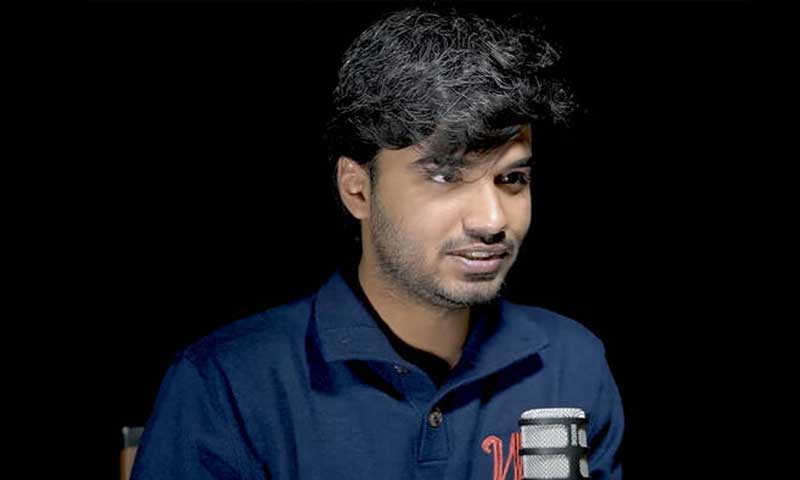
KARACHI: The Sindh government has formed a joint investigation team (JIT) to probe the killing of Mir Raza Ali, acting on the recommendations of the judicial commission, and has written to the inspector general of police seeking action against the police officers and personnel named in the commission’s report.
The JIT will be headed by DIG West Irfan Ali Baloch and will include senior representatives of the ISI, the Intelligence Bureau, Pakistan Rangers Sindh and the National Cyber Crime Investigation Agency (NCCIA), according to a notification. The provincial government has written to all the agencies concerned to nominate their officers.
The Sindh Home Department has also sent the IG Sindh the commission’s observations and the recommendations of the cabinet sub-committee. Remarks and recommendations have been forwarded against two DIGs, one SSP, one SP, two SHOs, one sub-inspector, one DSP and one inspector.
A separate one-member committee, headed by Additional IG CTD Zulfiqar Ali Larik, has been constituted to review the role of each officer and official named in the report. Under the notification, DIG West Irfan Ali Baloch will assist the committee. It will assess their capabilities and performance in light of the commission’s specific observations, and examine their overall policing record. It will also conduct further investigation into the role of Inspector Ghous in the burning of the crime scene. The committee will submit its findings and recommendations on each officer to the IG Sindh.
The Home Department has additionally written to the health secretary over the commission’s observations. The cabinet sub-committee has proposed removing Dr Usama from his post and providing him training.
The Sindh government has also written to the federal interior ministry asking it to nominate an FIA officer of Grade 20 or above to head a committee. DIG Irfan Ali Baloch and DIG Naeem Ahmed Sheikh are also proposed to sit on it.
How the Mir Raza case unfolded
The case dates back to July 28, when 25-year-old businessman and IBA graduate Mir Raza Ali left his home in Karachi’s PECHS area and did not return. His body was found the following day in bushes near Shahi Qila Ground in Gulistan-e-Jauhar with a gunshot wound. His family maintained from the outset that he had been abducted and murdered, while police initially pursued the possibility of suicide.
Questions soon emerged over the original post-mortem examination. Karachi Police Surgeon Dr Summaiya Syed Tariq identified more than a dozen shortcomings, including the failure to obtain X-rays and gunshot-residue samples, inadequate documentation of the bullet trajectory and gaps in the examination of the firearm injuries. A Karachi court subsequently ordered the exhumation of Raza’s body for a fresh examination by a medical board.
Following the exhumation, the second post-mortem raised further questions over the suicide theory, finding that the fatal gunshot had entered from the back. Police subsequently added a murder charge to the case and constituted a new investigation team.
As concerns over the handling of the case persisted, the Sindh government sought an independent judicial inquiry. A commission headed by Sindh High Court Justice Omar Sial was formed in August to examine the circumstances of Raza’s death, the impartiality of the investigation and whether police, medico-legal officials or others had committed negligence, misconduct or manipulated or suppressed evidence.
The commission concluded its proceedings in October after recording 49 witnesses over 15 hearings and inspecting the site where Raza’s body was found. During the inquiry, it repeatedly questioned gaps in the police investigation, including the handling of CCTV footage, forensic material and other potential leads. Hum English reported when the proceedings concluded.
The commission’s report, later made public by the Sindh government, concluded that Raza had been murdered rather than died by suicide and described the original police investigation as seriously negligent and unprofessional. It said significant evidence had been compromised, did not rule out the possibility of a cover-up and recommended a fresh JIT-led investigation, along with action against officials whose conduct had come under scrutiny.
You May Also Like