- WEB DESK
- October 6, 2026
Six months on: Iran refuses to yield, US war goals remain elusive
-

- WEB DESK
- August 28, 2026
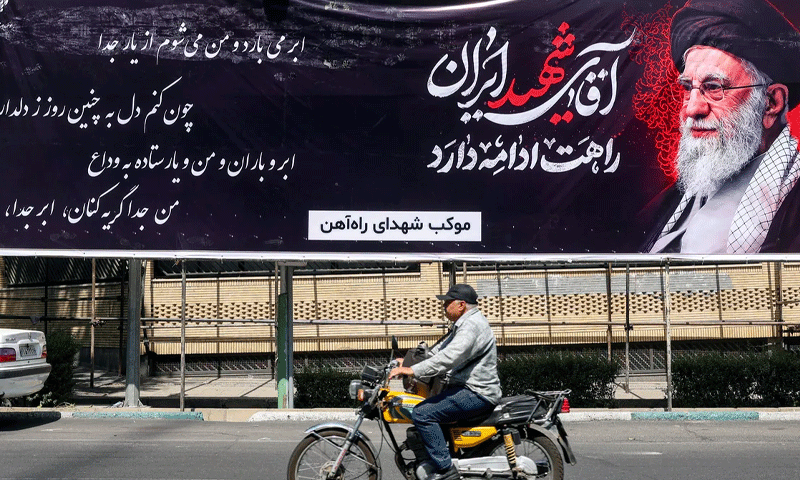
ISLAMABAD: Formal talks between the United States and Iran on Tehran’s nuclear programme were under way in Geneva, Switzerland, in the final week of February 2026, with Oman acting as a mediator, when the US and Israel launched joint attacks on Iran on February 28, 2026.
The war that began on February 28 not only shook the global economic system but also exposed a large part of the world to serious security risks.
Today marks six full months since the war began. Here is a look at the key events and developments so far.
At the outset of the attacks, US President Donald Trump said the United States had launched a “major military operation” in Iran aimed at “eliminating the threats posed by the Iranian regime”. He said proudly: “This regime will soon learn that no one should ever challenge the strength and power of the United States Armed Forces.”
February 28 — War begins
The United States and Israel launched a large-scale air campaign against Iran. The US operation was named Epic Fury.
According to the US military, more than 100 aircraft were involved in the initial phase of the operation, targeting Iranian leadership, military command structures, missile capabilities and nuclear facilities.
Minab school attack — war’s deadliest tragedy
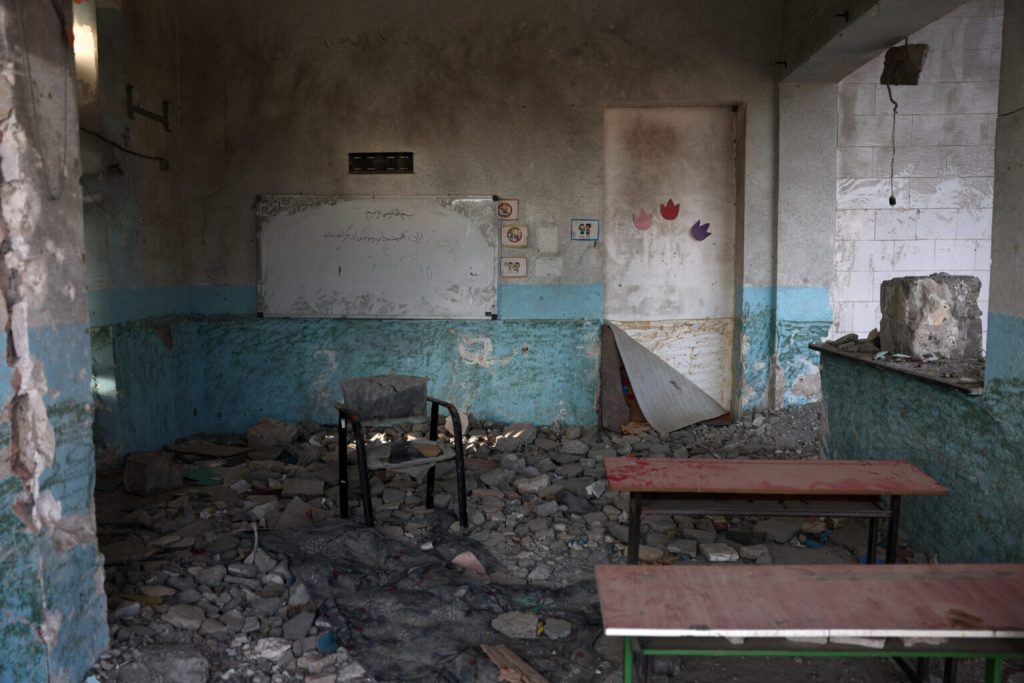
Within the first hours of the conflict, a school in Minab was struck in US and Israeli attacks.
According to Reuters, 156 people, including 120 children, were killed. The victims also included a pregnant woman and her unborn child.
Ayatollah Ali Khamenei killed
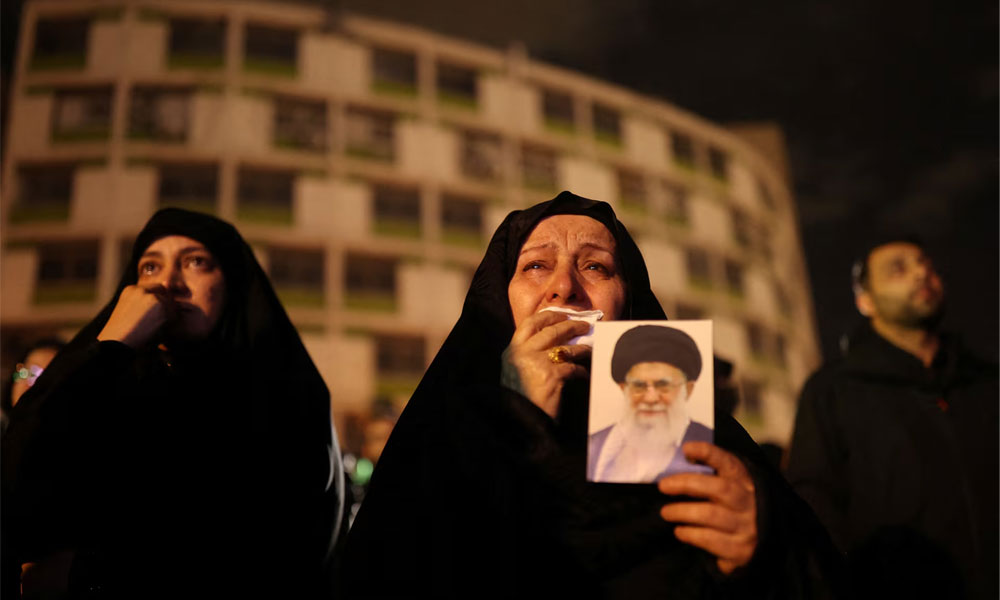
Iran’s Supreme Leader Ayatollah Ali Khamenei was among the senior Iranian leaders targeted during the initial strikes.
US officials later said intelligence regarding Khamenei’s location played an important role in determining the timing of the attack.
The strikes also killed Islamic Revolutionary Guard Corps chief Mohammad Pakpour, who had assumed command after the death of Hossein Salami in the June 2025 war.
Iranian Armed Forces Chief of Staff Abdolrahim Mousavi was also killed in the initial attacks.
Defence Minister Aziz Nasirzadeh, Defence Council secretary and Khamenei adviser Ali Shamkhani, and the head of Khamenei’s military office, Mohammad Shirazi, were among several other senior officials targeted on the first day.
Iran launches immediate retaliation
Within hours of the US and Israeli strikes, Iran began launching missiles at Israel and US military bases and interests across the region.
Iranian attacks targeted locations in Israel as well as US interests or facilities in Bahrain, Qatar, Kuwait, the United Arab Emirates, Saudi Arabia and Iraq.
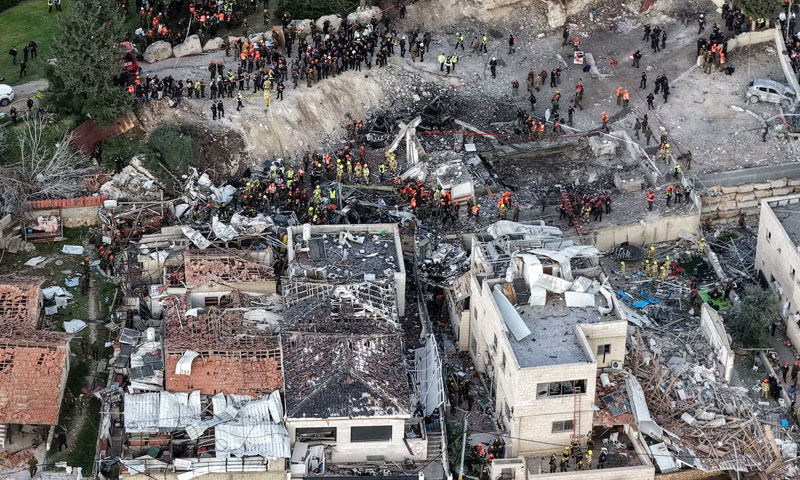
There were also reports of attacks near the headquarters of the US Fifth Fleet in Bahrain, raising fears that the conflict could spread across the region.
March — Strait of Hormuz effectively closed
As Iran intensified its retaliation, shipping through the Strait of Hormuz, one of the world’s most important energy routes, was severely disrupted.
Before the war, around one-fifth of the world’s oil and LNG supplies passed through the waterway.
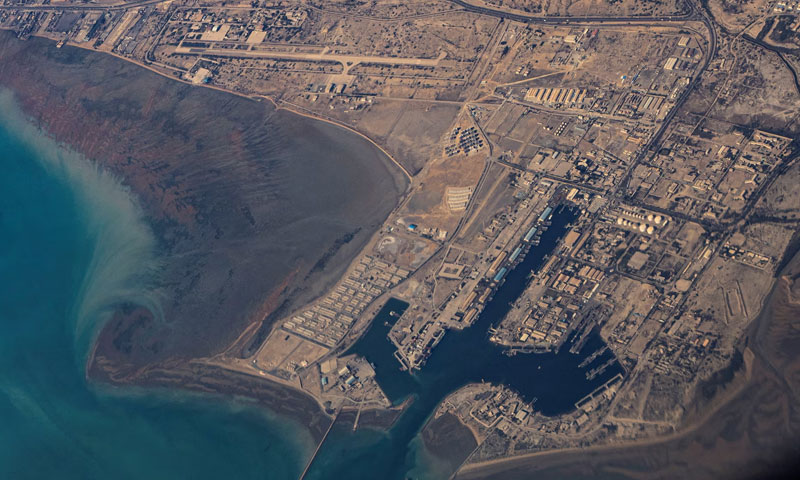
The disruption hit Gulf oil exports and sent global energy prices sharply higher, turning the conflict into a major threat to global energy security and the wider economy.
Trump demands Iran’s ‘unconditional surrender’
Trump demanded Iran’s “unconditional surrender” and said the United States should have a role in choosing Iran’s new leadership.
The remarks further reduced prospects for an immediate diplomatic settlement.
Iran continued its missile attacks while Israel expanded operations against Iran and Hezbollah in Lebanon.
The US and Israeli war aims consequently expanded beyond Iran’s nuclear programme to include questions surrounding the country’s political system and leadership.
War rapidly becomes regional
Throughout March, Iran continued missile and drone attacks against Israel and US facilities in Gulf states, while US and Israeli forces repeatedly targeted Iran’s missile, air defence, naval and command infrastructure.
Lebanon became increasingly drawn into the conflict as Israel intensified operations against Hezbollah, triggering large-scale displacement.
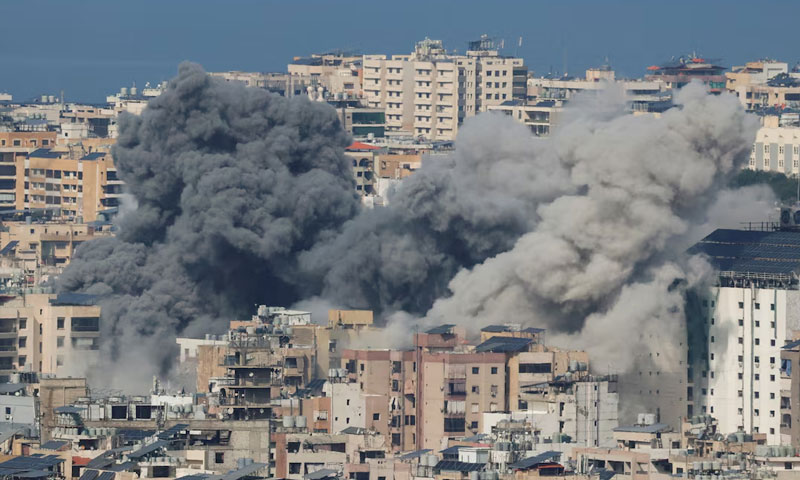
The economic consequences were also severe. In just one week, US crude prices rose by around 36 per cent, while Brent crude gained approximately 27 per cent.
Three weeks in — hopes of a quick war fade
Three weeks into the conflict, Iran had not surrendered and continued launching missiles despite the US and Israeli campaign.
According to Reuters, two major problems had emerged for the Trump administration: the absence of a clear exit strategy and the growing global energy crisis.
Washington increasingly faced the reality that air strikes alone might not be enough to force Iran to return to negotiations on US terms.
End of March — economic impact deepens
By the end of March, oil flows through the Strait of Hormuz had fallen sharply.
Around 15 million barrels per day of crude oil and another 4.5 million barrels per day of refined products were affected.
Concerns over a global oil shortage intensified, prompting the United States and other countries to consider using their strategic petroleum reserves.
April — ceasefire and Pakistan’s diplomatic intervention
Diplomatic efforts to end the conflict intensified in early April.
Pakistan played an important role in carrying messages between Washington and Tehran and facilitating negotiations.
At one point, the talks appeared close to collapse, particularly after an Iranian attack on a petrochemical facility in Saudi Arabia.
Pakistan nevertheless maintained contacts with US, Iranian and Saudi leaderships.
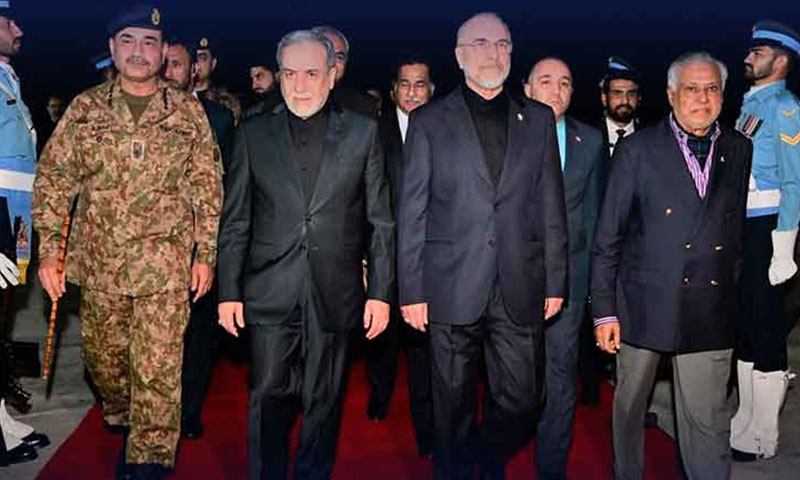
Eventually, sustained diplomatic efforts by Pakistan’s political and military leadership helped the two sides agree to a temporary ceasefire and negotiations.
For the first time in around a month and a half of fighting, Washington and Tehran moved towards a political solution, with Pakistan emerging as an important mediator.
Talks in Islamabad
Following the ceasefire, US and Iranian delegations travelled to Islamabad for negotiations.
The talks lasted around 21 hours, but failed to produce a permanent agreement.
Washington sought guarantees concerning Iran’s nuclear programme, missile capabilities and regional security, while Tehran demanded an end to the war and sanctions, recognition of its right to peaceful nuclear energy and guarantees concerning its control over the Strait of Hormuz.
The fighting temporarily stopped, but the fundamental questions needed to end the conflict remained unresolved.
May — first major push for a permanent deal
Negotiations continued in May through Pakistan and other mediators.
One of the most pressing issues remained the reopening of the Strait of Hormuz.
On May 27, Iranian state television broadcast details of a preliminary US-Iran framework that included proposals to reopen the waterway to commercial shipping, end the US naval blockade and reduce US military pressure in the region.
Ceasefire extension agreed
The United States and Iran agreed to extend the ceasefire and continue negotiations.
However, major differences remained unresolved.
The conflict consequently entered a new phase in which negotiations, sanctions and control of Hormuz became as important as military operations.
June — major breakthrough towards peace
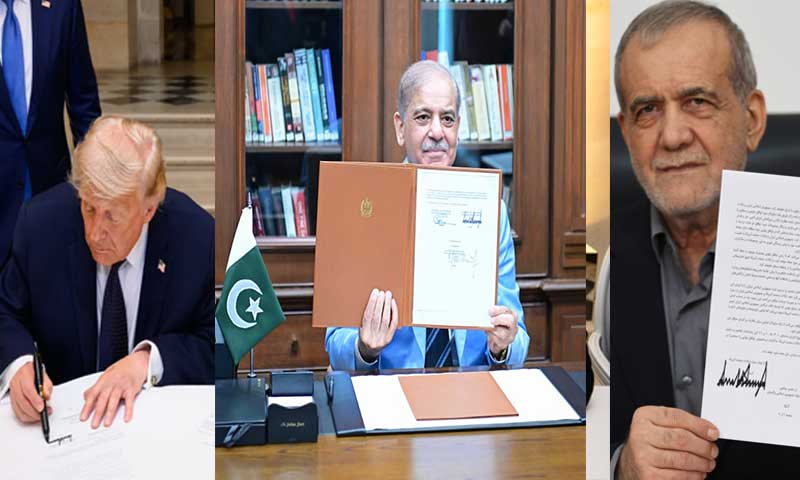
In June, Washington and Tehran agreed on a framework aimed at extending the ceasefire for another 60 days, during which the two sides would negotiate a permanent peace agreement.
The two countries signed the Islamabad Memorandum of Understanding, with Pakistan signing as mediator and witness.
The agreement provided for an immediate ceasefire, an end to the US naval blockade, reopening the Strait of Hormuz to commercial traffic for 60 days and 60 days of negotiations towards a permanent peace agreement.
Qatar also played an important role in the negotiations.
A formal signing ceremony was planned in Geneva under Pakistani auspices. However, the ceremony was cancelled after Trump and the Iranian leadership had already signed the agreement electronically.
Lebanon front threatens peace talks
During the US-Iran negotiations, fighting between Israel and Hezbollah in Lebanon intensified again, threatening the wider peace process.
A ceasefire between Israel and Hezbollah was reached on June 19, allowing efforts to resume negotiations between Washington and Tehran.
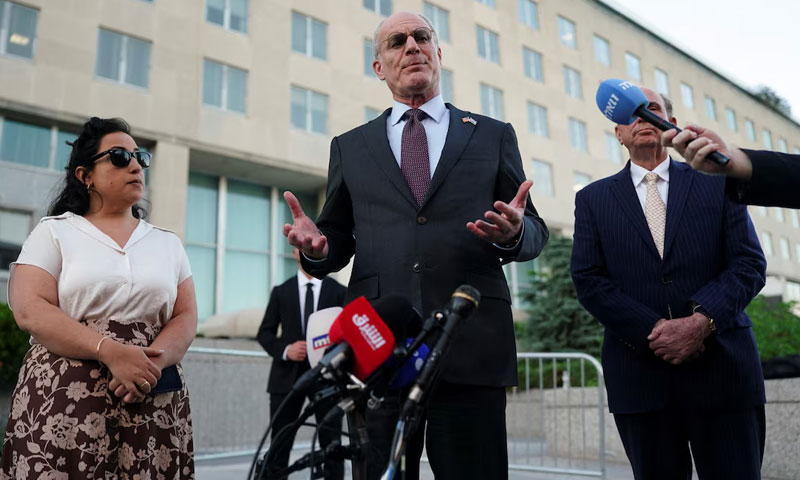
The developments demonstrated that the conflict was no longer simply a bilateral confrontation.
Lebanon, Israel, the Gulf states and the Strait of Hormuz had all become interconnected elements of any potential peace settlement.
July — fighting erupts again
The fundamental differences between Washington and Tehran remained unresolved during the 60-day negotiation period.
Iran continued to demand guarantees concerning its nuclear programme, sanctions and control of Hormuz, while the United States sought stringent restrictions on Iran’s nuclear and missile capabilities.
New US strikes
The ceasefire came under renewed pressure in July when the United States launched another series of air strikes against Iran.
On July 22, the US military announced that the latest campaign had ended after 11 consecutive nights of air operations.
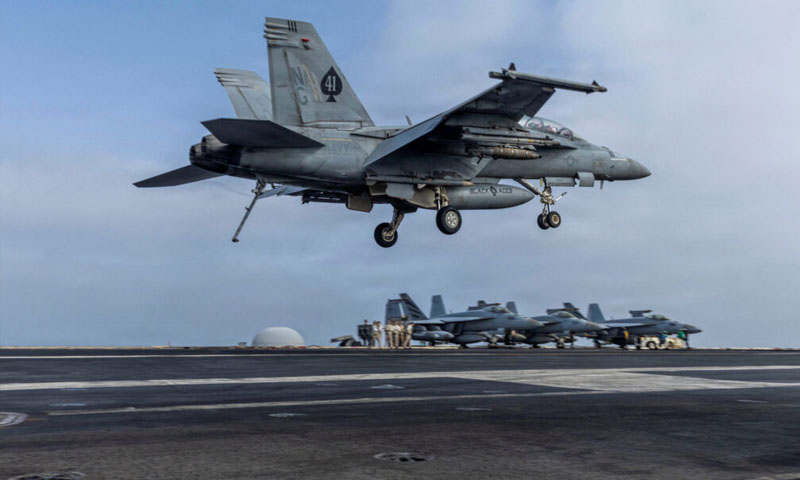
Despite the diplomatic efforts made in April and June, the conflict had once again entered a military phase.
August — economic and diplomatic pressure intensifies
Following the July strikes, Washington shifted towards increased economic and diplomatic pressure rather than immediately launching another major air campaign.
US officials said a new military operation was not an immediate priority, while economic pressure on Iran was intensified.
New hope for negotiations
Qatar said there had been some progress in mediation efforts aimed at restarting negotiations.
Iran, however, rejected US claims that formal talks had already begun.
60-day negotiation period expires
The 60-day negotiating period agreed under the June framework expired in August without a permanent peace agreement.
Iran maintained its position on the Strait of Hormuz, while incidents involving oil tankers continued to affect shipping through the waterway.
Field Marshal Asim Munir visits Tehran
On August 24, Pakistan’s Chief of Defence Forces **Field Marshal Asim Munir** travelled to Tehran with a high-level delegation as the US-Iran ceasefire process remained stalled.
The visit came amid preparations by Washington for tougher sanctions against Iran and continued disagreement over the Strait of Hormuz.
Munir met Iranian President Masoud Pezeshkian, parliament speaker Mohammad Bagher Ghalibaf and Supreme National Security Council secretary Major General Mohsen Rezaei, among other senior officials.
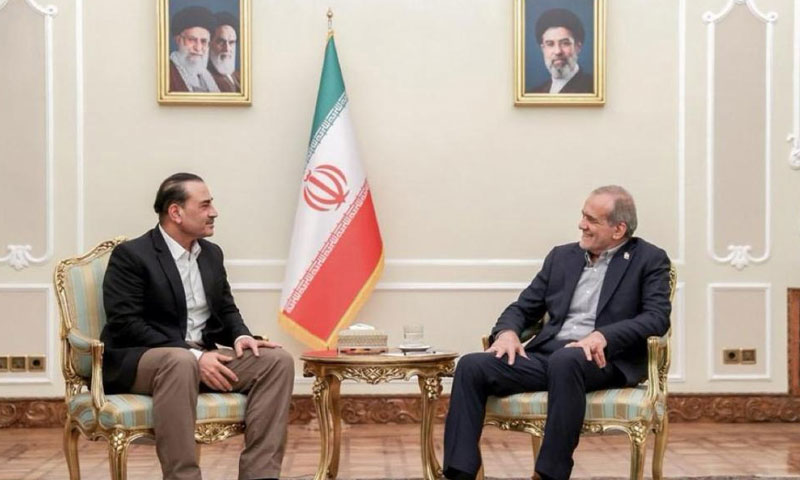
Interior Minister Mohsin Naqvi also accompanied the Pakistani delegation.
US threatens ‘toughest sanctions in history’
US Treasury Secretary Scott Bessent announced preparations for what Washington described as the toughest sanctions in history against Iran.
The United States also indicated that countries trading with Iran could face pressure, particularly China, which remains the largest buyer of Iranian oil.
Shipping through Hormuz nearly paralysed
Commercial traffic through the Strait of Hormuz fell to extremely low levels.
On August 21, only seven commodity vessels were reported to have passed through the waterway, which before the war handled roughly one-fifth of global oil and LNG shipments.
On August 25, the United States imposed sanctions on another 60 individuals, entities and vessels.
Iran condemned the measures as illegal and threatened a response.
Pakistan again played a role in carrying messages between Washington and Tehran.
Iran and Oman discuss new Hormuz arrangement
On August 26, an Islamic Revolutionary Guard Corps spokesman claimed that Iran and Oman had reached an agreement concerning the management of the Strait of Hormuz and the distribution of revenues.
Details of the reported arrangement and its implementation, however, remained unclear.
After six months of war, Hormuz has therefore evolved from being a consequence of the conflict into one of the central issues in any potential peace agreement.
Qatar launches fresh mediation effort
On August 27, Qatar’s Prime Minister Sheikh Mohammed bin Abdulrahman Al Thani travelled to Iran in a fresh effort to reopen the path to US-Iran negotiations.
He met Iranian Foreign Minister Abbas Araghchi in Tehran.
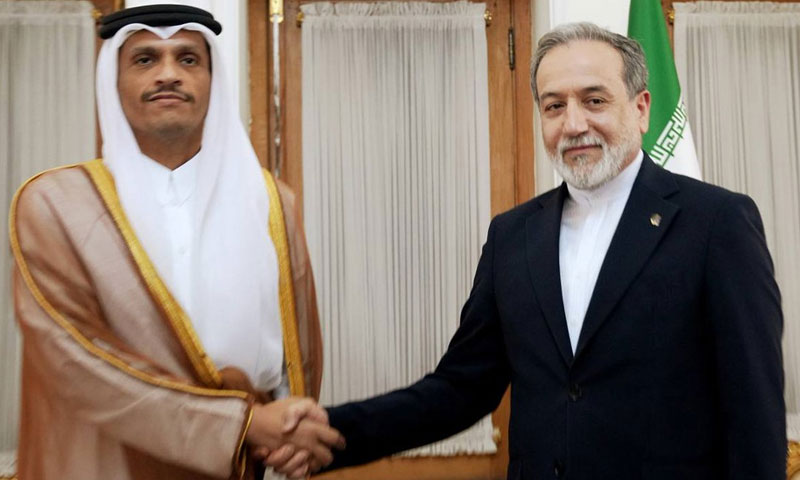
According to Al Jazeera, key issues discussed during the Qatari mediation effort included reopening the Strait of Hormuz, restoring the pre-war situation, US sanctions, Iran’s nuclear programme, the US naval blockade and a future ceasefire.
Six months on — neither side has achieved a decisive victory
Six months after the war began, the conflict has produced neither an Iranian surrender nor the political transformation Washington had initially sought.
The US and Israel have inflicted significant damage on Iran’s military and nuclear capabilities and killed senior Iranian leaders, including Khamenei, while sanctions and the disruption of economic activity have placed further pressure on Tehran.
But Iran’s political system has survived, the country has not surrendered and the Strait of Hormuz has yet to return to normal.
The result is a conflict that has moved beyond the battlefield without actually ending.
Six months on, the clearest description of the war is that it has shifted from a military front to economic and diplomatic fronts rather than reached a definitive conclusion.
The United States and Iran remain locked in a confrontation in which neither side appears willing to abandon its core demands, while Pakistan, Qatar, Oman and other regional actors continue efforts to find a diplomatic way out.
I have kept the timeline and claims grounded in the uploaded source rather than independently reconciling or correcting its chronology.