- WEB DESK
- October 7, 2026
Starmer expected to outline exit timeline as Burnham emerges as frontrunner
-

- Reuters
- June 22, 2026
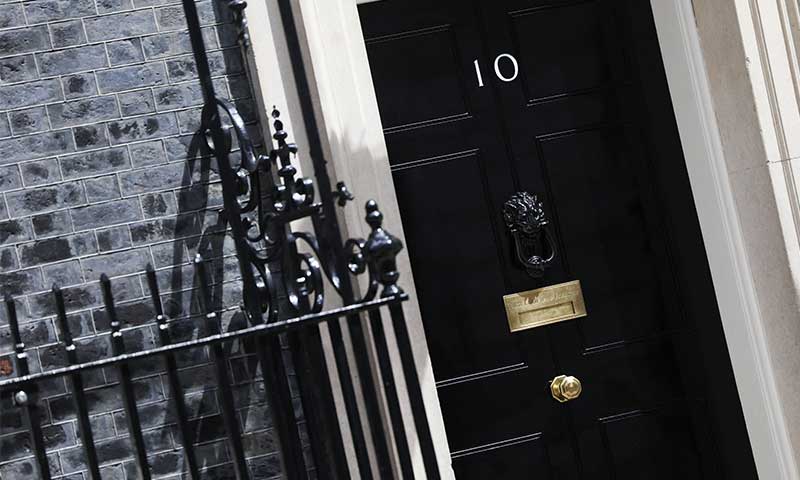
LONDON: British Prime Minister Keir Starmer is expected on Monday to set out a timetable for his departure from office and pave the way for an orderly leadership transition, as rival Andy Burnham positions himself as the leading contender to take over.
According to political sources, Starmer has been weighing whether to step aside voluntarily or contest any internal leadership challenge, following mounting pressure within the ruling Labour Party. One insider said the prime minister spent the weekend “reflecting on the political reality” as speculation over his future intensified.
Skills Minister Jacqui Smith told Times Radio that while she would prefer Starmer to remain in office, she acknowledged he had been under sustained pressure and was considering what was best for the country.
Burnham’s return reshapes Labour dynamics
The leadership question sharpened last week when Burnham secured a decisive parliamentary comeback, defeating a Reform UK candidate led by Nigel Farage’s party, which has topped national opinion polls for more than a year.
His return to Westminster has energised sections of the Labour Party, where some MPs see him as a more effective communicator capable of reviving the party’s declining popularity. Starmer’s approval ratings have fallen to record lows for a British leader in recent polling.
However, analysts caution that a change in leadership would not automatically resolve the government’s political or economic challenges.
Economic constraints limit political room
Burnham has yet to outline detailed positions on key policy areas such as defence, foreign affairs, or fiscal strategy, beyond general calls for reducing the cost of living and reforming the economy.
Like Starmer, he would likely face significant constraints from financial markets, with Britain already carrying the highest borrowing costs among G7 economies due to elevated debt levels, weak growth, and high interest obligations.
Economists warn that any new leadership would inherit tight fiscal conditions. Analysts at Citibank noted that a Burnham-led government would “inherit a precarious fiscal situation with limited tools for meaningful economic change.”
Investor sentiment remains cautious, particularly after Burnham previously criticised the influence of bond markets, remarks he later said were misinterpreted.
Leadership uncertainty deepens inside Labour
Although Starmer had previously indicated he would contest any leadership challenge, political sources now suggest he has softened that position over the weekend.
“He likes to think things through,” one source said, speaking on condition of anonymity.
The prospect of an unopposed transition has raised concerns among some party members, who warn that bypassing a formal contest could frustrate voters who expect a say in leadership changes.
Former health secretary Wes Streeting has reportedly secured enough backing to enter a leadership race, although senior party figures suggest a possible internal arrangement in which he could support Burnham in exchange for a senior role.
Meanwhile, Business Secretary Peter Kyle said Starmer was carefully assessing “the political challenges he faces at this moment,” reinforcing expectations of an imminent announcement.
Britain faces potential historic political shift
If Starmer confirms a departure timeline from Downing Street, it would mark another major political transition in Britain, potentially making Burnham the country’s seventh prime minister since the 2016 Brexit referendum.
The frequent turnover reflects persistent political instability driven by voter frustration over living standards, strained public services, and unresolved immigration concerns.
Policy advisers at Eurasia Group suggested the most stable path would be for Starmer to announce a September exit, allowing him to attend a UK–EU summit in July while giving Burnham time to prepare for government transition.
As Labour braces for a possible leadership change, the coming days are expected to determine whether Britain enters another rapid political reset, or an extended internal contest over its future direction.