
- Farah Mehjabeen
- October 26, 2026
Supreme Court raises alarm over rise in illegal organ transplants
-

- Ahsan Wahid
- June 3, 2026
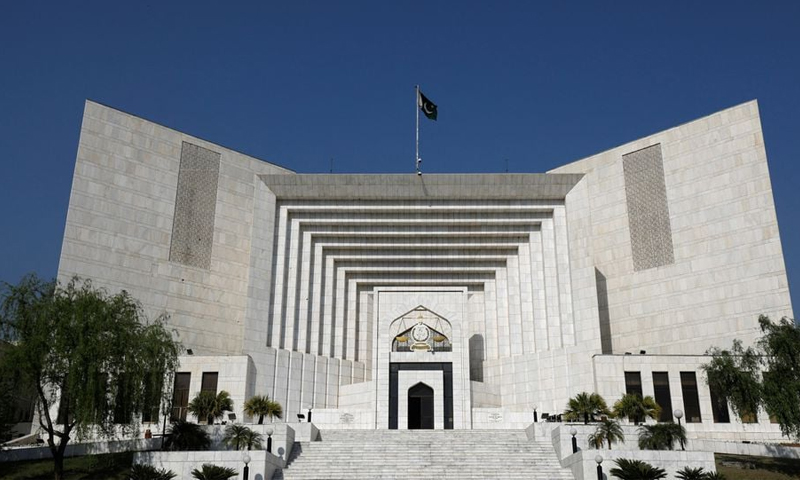
ISLAMABAD: The Supreme Court on Wednesday expressed concern over a growing number of illegal organ harvesting and transplant cases across the country.
The top court made the observation during the hearing of an appeal by a doctor convicted for fraudulently removing a man’s kidney after allegedly luring him with a job offer.
A three-member SC bench headed by Justice Hashim Kakar heard an acquittal plea filed by Dr Fawad Mumtaz Khan of Taxila against a seven-year prison sentence handed down by a lower court and later upheld by the high court.
Punjab Human Organ Transplantation Authority officials appeared before the court.
Justice Kakar said that incidents involving the illegal removal and transplantation of human organs were increasing and questioned the effectiveness of oversight mechanisms in Punjab.
“If someone in Quetta needs a kidney, it can easily be obtained from Punjab,” Justice Kakar remarked, adding that regulatory control by the relevant authority in Punjab appeared to be “almost non-existent.”
The judge said that kidneys could be obtained in Punjab for between Rs1.8 million and Rs2 million, while poor people were often exploited in the process.
A provincial government lawyer told the court that organ donors typically received only Rs200,000 to Rs400,000, while intermediaries and agents pocketed the bulk of the money.
Justice Kakar contrasted the situation with attitudes in Balochistan, saying residents of Quetta would be reluctant to sell a kidney regardless of the amount offered.
Justice Salahuddin Panhwar, another member of the bench, questioned why people in Punjab appeared willing to part with vital organs so readily, drawing attention to the economic pressures that can drive organ sales.
According to court records cited during the hearing, the prosecution contended that Dr Khan rendered a citizen unconscious and removed his kidney without his consent.
The case stemmed from an incident in Taxila in which a skin specialist allegedly deceived a man with the promise of employment before carrying out the procedure.
The doctor’s counsel rejected the allegations, telling the court that the case contained “more accusations than facts.”
However, the Punjab government’s lawyer told the bench that the convicted doctor was facing 10 additional cases of a similar nature.
Calling the matter “serious and complex”, Justice Kakar said reports of illegal organ removals were increasing and warranted close judicial scrutiny.
Justice Panhwar added that doctors, hospitals and government institutions were often implicated in such cases, underscoring concerns about broader systemic failures in regulating organ transplantation.
The bench directed the authorities concerned to produce the complete record and instructed all parties to return fully prepared at the next hearing.
“We will hear this case in detail and decide it on the next date,” Justice Kakar said.
The Supreme Court adjourned further proceedings until June 11.
Dr Khan was sentenced to seven years in prison by a trial court after being convicted in the case. The conviction was later upheld by the high court, prompting him to file an appeal before the Supreme Court seeking acquittal.
You May Also Like