- Web Desk
- Mar 31, 2026
Suspension of Indus Water Treaty poses real threat to regional stability: Dar
-

- Web Desk
- Nov 21, 2025
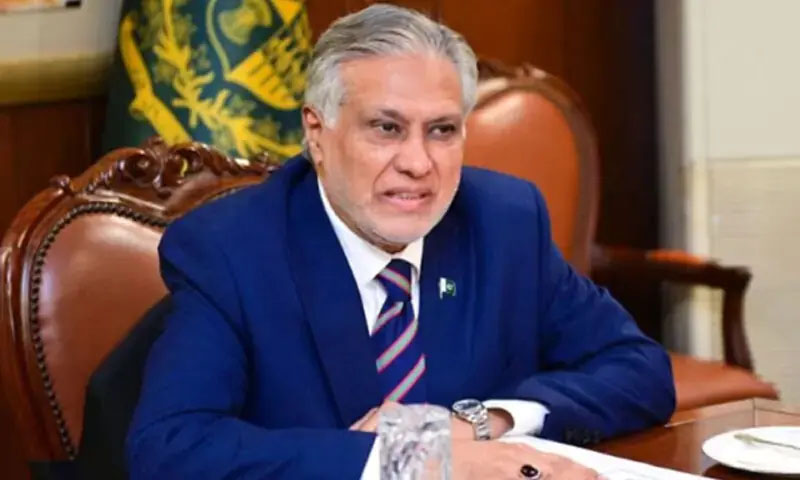
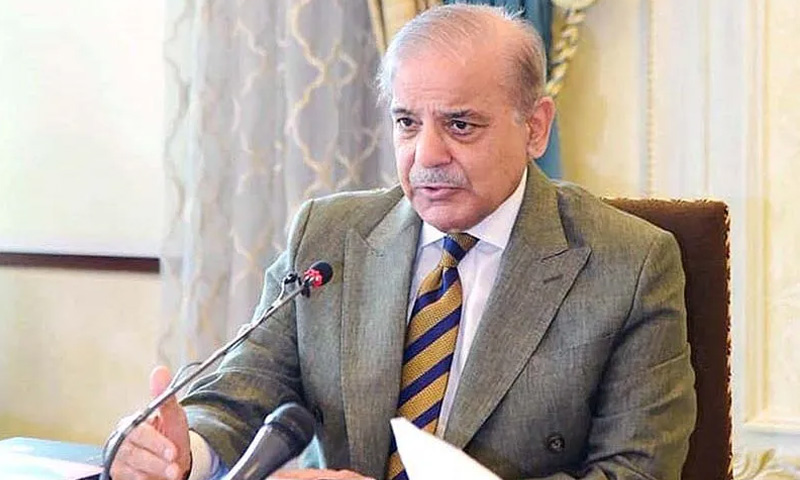
BRUSSELS: Deputy Prime Minister and Foreign Minister Ishaq Dar has warned that the illegal and unilateral suspension of the Indus Water Treaty (IWT) is a real threat to regional stability.
Speaking at the Indo-Pacific Ministerial Forum roundtable in Brussels, Dar emphasized that water should be a means of cooperation, not a weapon for political purposes.
He said Pakistan believes that lasting peace in South Asia cannot be achieved until the decades-old Jammu and Kashmir dispute is resolved peacefully, in accordance with relevant United Nations Security Council resolutions and the aspirations of the Kashmiri people.
On Afghanistan, the foreign minister said the country “holds important relations for Pakistan and regional stability.”
It is worth noting that India had unilaterally suspended the Indus Water Treaty in April this year following an attack in Pahalgam, in Indian-occupied Kashmir, which left 26 people dead. India had blamed Pakistan for the attack without providing evidence.
Pakistan has described any attempt to suspend its water share as an “act of war” and maintained that there is no provision in the treaty allowing unilateral suspension. Later, Pakistan indicated the possibility of legal action, citing violations of the 1969 Vienna Convention on the Law of Treaties.
He noted that bilateral ties between Pakistan and Afghanistan have recently become tense, largely due to the banned Tehrik-i-Taliban Pakistan (TTP) issue, which remains a key source of dispute between the two countries. Pakistan has urged Kabul to take action to prevent cross-border terrorism.
“We want a peaceful, stable, friendly, integrated, and prosperous Afghanistan. We call on the Afghan Taliban government to act responsibly, fulfil its commitments, and take steps to eliminate terrorism from its soil,” he added.
Regarding Israel and Gaza, the deputy prime minister said the situation in the Middle East “directly affects us all.” He appreciated efforts by former US President Donald Trump and eight Arab-Islamic countries, including Pakistan, which led to the signing of the peace agreement in Sharm el-Sheikh and the announcement of a ceasefire.
He added: “The ongoing atrocities in Gaza and violations of the peace agreement must end, and illegal settlements on Palestinian land should also be stopped.”
Ishaq Dar stressed: “Our foreign policy is based on facilitating a credible, time-bound political process that, in accordance with relevant UN resolutions, leads to the establishment of a free, sovereign, viable, and contiguous Palestinian state, based on the pre-1967 borders, with Al-Quds (Jerusalem) as its capital.”
On the Ukraine conflict, the foreign minister said it has affected energy and food markets, “with real impacts on people around the world.”
He added that Islamabad’s position is based on the United Nations Charter, expressing hope that the dispute will be resolved peacefully at the earliest.
He concluded that the cooperation model adopted by the European Union provides lessons for the international community, demonstrating that inclusion and interdependence are the strongest foundations for peace and prosperity.
You May Also Like