Tarar defends emergency, governor’s rule as NA debates KP situation
-

- WEB DESK
- October 14, 2026
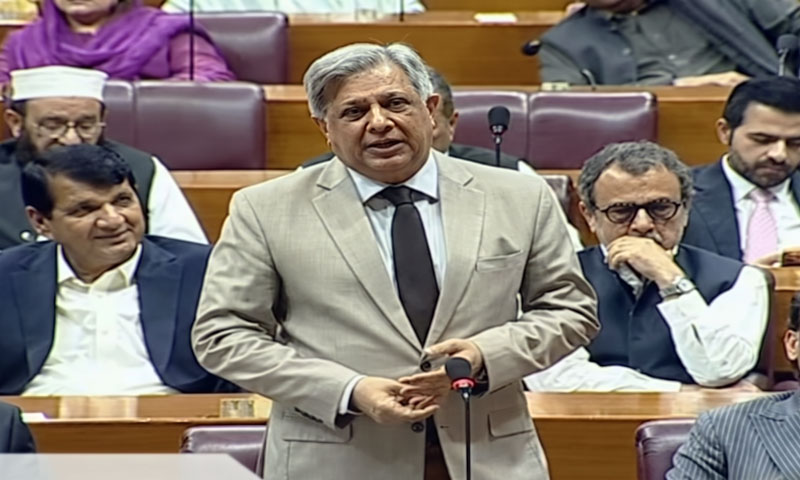

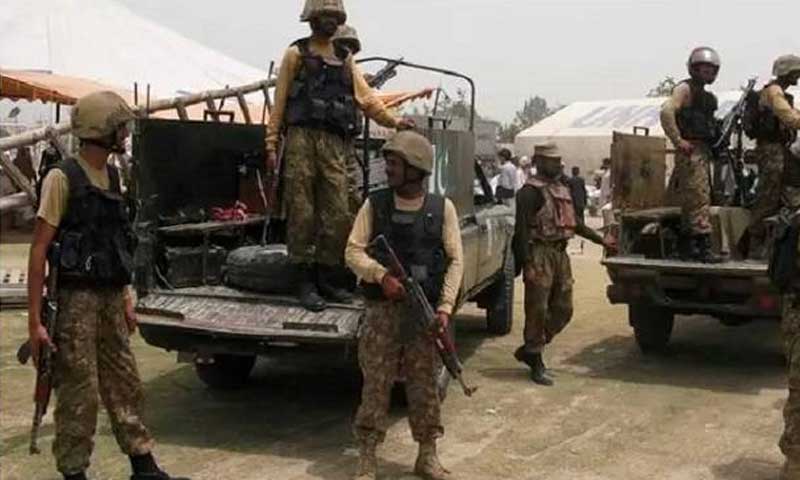
ISLAMABAD: Law Minister Azam Nazeer Tarar defended on Wednesday the imposition of emergency and governor’s rule in Khyber Pakhtunkhwa, telling the National Assembly that rising terrorist attacks, cross-border infiltration and the provincial government’s alleged lack of cooperation had become an alarming threat to national security.
Addressing the house as lawmakers debated the emergency proclamation, Tarar said the federal cabinet had examined security reports during its October 11 meeting before advising Prime Minister Shehbaz Sharif to recommend the measure.
He cited 3,787 recorded terrorist incidents in the province between October 15, 2025, and October 9, 2026, compared with 2,911 incidents reported over the three years from 2021 to 2024.
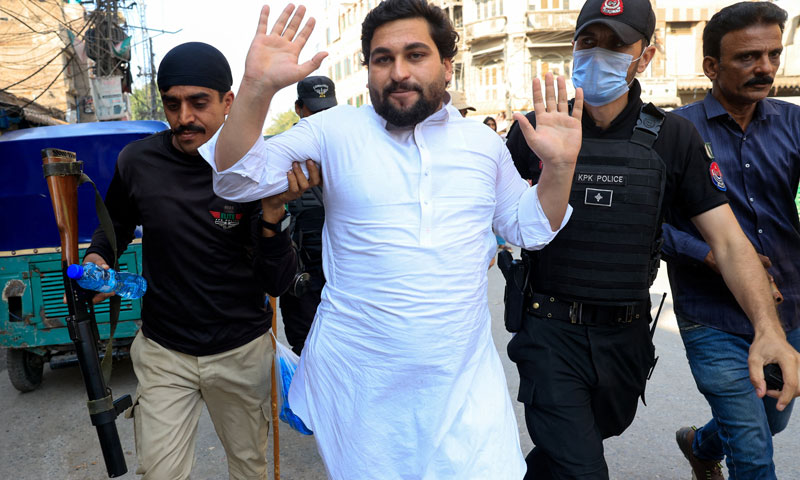
The debate comes amid escalating tensions between the federal government and the Pakistan Tehreek-e-Insaf (PTI), which leads the provincial administration in KP. The government has defended the constitutional measures on security grounds, while the PTI has rejected them as politically motivated.
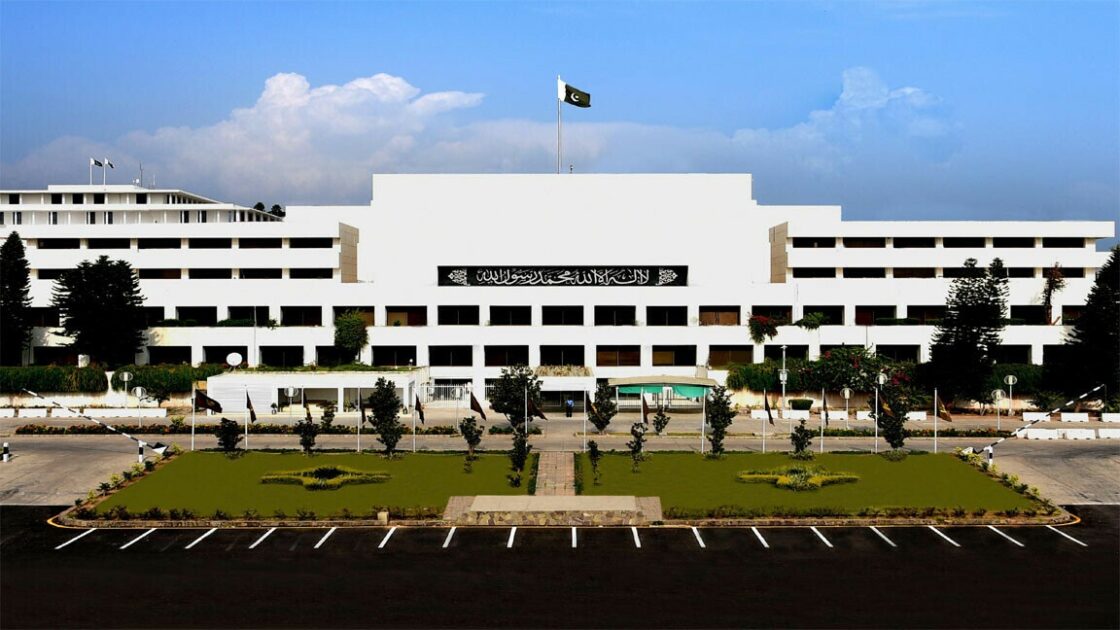
Parliamentary Affairs Minister Tariq Fazal Chaudhry moved the resolution concerning the emergency proclamation, while Tarar opened the debate. The National Assembly suspended its question hour to take up the matter.
Tarar said Article 232 of the Constitution required the emergency proclamation to be placed before both houses of Parliament for approval within 10 days of its issuance.
Tarar cites surge in terrorist incidents
The law minister said the cabinet had deliberated for two-and-a-half hours before concluding that internal disturbances, cross-border infiltration and the provincial government’s handling of counterterrorism warranted emergency measures.
He argued that the security situation had deteriorated significantly since the current provincial cabinet took office in October 2025.
According to the figures he presented, the number of recorded terrorist incidents during the preceding year had exceeded the combined total for 2021 to 2024. He added that casualties among security personnel and civilians had also increased.
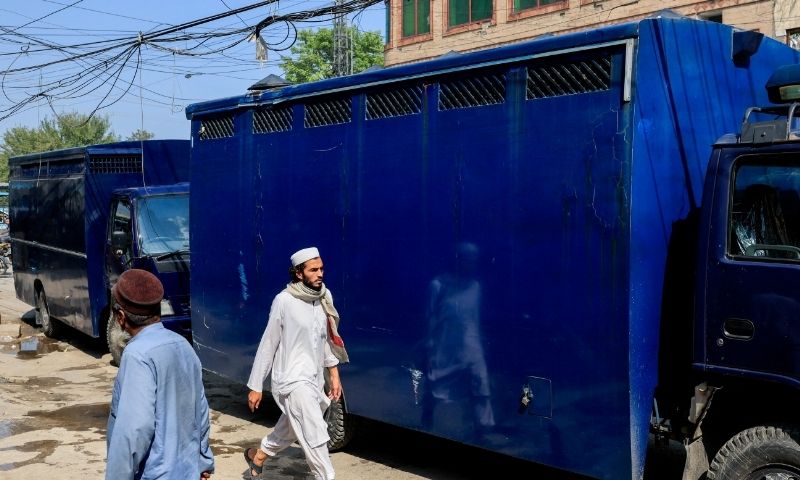
Tarar said the federal and provincial governments needed to work together to combat terrorism, arguing that political differences should not undermine efforts to tackle militancy.
He accused the provincial leadership of prioritising political activities over responding to attacks and supporting the families of security personnel and civilians martyred in violence. He also criticised announcements about marching on the federal capital amid what he described as a deteriorating security and law and order situation.
Failed negotiations over security and politics
Tarar said the federal government had favoured dialogue over the use of force to address political tensions.
He thanked the National Assembly speaker for facilitating mediation involving government and opposition representatives. The government delegation included Interior Minister Mohsin Naqvi, Rana Sanaullah and Amir Muqam, while the Pakistan Peoples Party nominated Naveed Qamar, Sherry Rehman and Ejaz Jakhrani.
The opposition delegation was led by PTI Chairman Barrister Gohar Ali Khan and Senate Opposition Leader Allama Raja Nasir Abbas.
Tarar said the negotiations continued late into the night, with the sides exchanging several draft proposals. However, he claimed, discussions on counterterrorism were overtaken by demands concerning facilities and meetings for PTI founder Imran Khan, who is in prison.
He argued that decisions about the release of an arrested person or a convicted prisoner generally fell within the courts’ jurisdiction, while the president had a separate power to grant a pardon under Article 45 of the Constitution.
Invoking the events of May 9, 2023, Tarar urged political parties to learn from past confrontations and pursue dialogue and reconciliation.
Constitutional basis for emergency
Tarar said the KP governor had repeatedly raised concerns about worsening security in several districts and had informed the president and prime minister of the situation through a letter.
He said the federal cabinet had also reviewed reports from different agencies, including figures indicating an increase in terrorist incidents and casualties.
The federal government announced the imposition of emergency under Article 232 and governor’s rule under Article 234 on October 11, following approval by President Asif Ali Zardari on the prime minister’s advice.
Tarar said Article 232 provided for emergency measures in circumstances involving internal disturbances or external aggression, subject to constitutional requirements. He also referred to Article 234, which concerns a failure of constitutional machinery in a province.
The government has argued that the security situation and the provincial administration’s alleged failure to cooperate justified the measures. The PTI has rejected the decision and vowed to challenge it.
The National Assembly’s debate forms part of the parliamentary process for considering the emergency proclamation, which must be placed before both houses for approval under the Constitution.
Bilawal says PTI committed ‘political suicide attack’ on itself
Pakistan Peoples Party (PPP) Chairman Bilawal Bhutto-Zardari also defended the imposition of emergency in Khyber Pakhtunkhwa, saying the PTI’s provincial leadership had played a significant role in creating the political, legal and constitutional circumstances that led to the decision.
“PTI has carried out a political suicide attack on itself,” Bilawal said, accusing the party of undermining its own provincial government through its actions.
He said the Constitution empowered the president to proclaim an emergency in circumstances involving war, external aggression or internal disturbances beyond a provincial government’s capacity to control.
Bilawal said the federal government had made efforts to engage the opposition and avoid taking the step. He added that the PPP and President Asif Ali Zardari had initially favoured negotiations to address the federal government’s concerns about the PTI-led administration’s cooperation in the fight against terrorism.
The PPP chairman said his party had sought to ensure that the proposed action did not proceed without attempts to resolve the dispute through political engagement.
He said two PPP representatives, including the party’s parliamentary leader in the Senate, had participated in negotiations with the opposition. Bilawal added that he had received a late-night briefing that the talks were progressing towards an agreement.
According to Bilawal, the negotiations had raised the possibility of an arrangement concerning areas of Khyber Pakhtunkhwa most affected by terrorism. However, the supplied remarks end before he explains the proposed arrangement in full.
You May Also Like