
- WEB DESK
- September 14, 2026
Tehran issues warning to U.S. forces over strait of hormuz intervention
-

- Sadia Basharat
- May 4, 2026
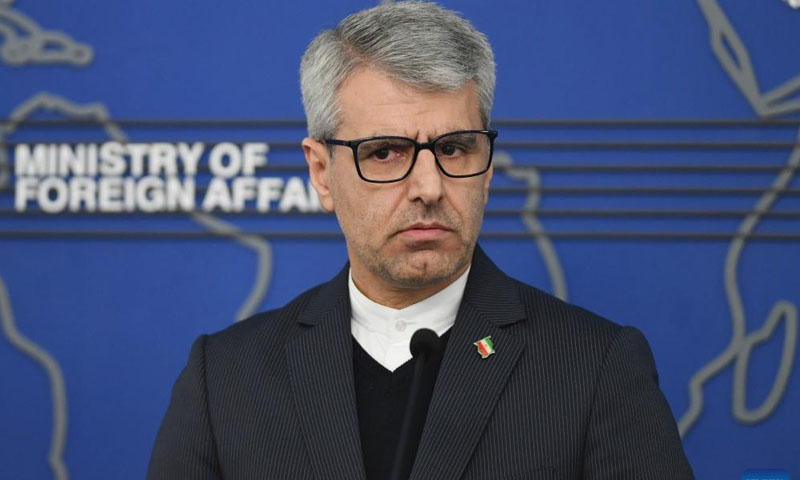
WEB DESK: Tehran has issued a stern warning to the United States military to remain outside the Strait of Hormuz, following President Donald Trump’s announcement of a mission to liberate vessels trapped by the ongoing conflict.
The Iranian military command issued the directive on Monday, signalling a potential escalation in an already volatile region, according to Reuters.
The warning comes in direct response to statements from the White House suggesting that U.S. forces would intervene to assist commercial ships currently “locked up” in the Gulf.
For over two months, the vital waterway has been a focal point of the U.S.-Israeli conflict with Iran, leaving dozens of international crews stranded in what is increasingly being described as a humanitarian and logistical nightmare.
Stranded crews facing supply shortages
President Trump, providing sparse technical details on the proposed operation, stated that the United States would take a leading role in freeing ships that have been immobilised since the outbreak of hostilities.
“We have crews out there who have been stuck for more than sixty days,” the President remarked during a press briefing. “They are running out of food, they are running out of basic supplies, and we are going to get them out.”
The maritime industry has expressed growing alarm over the welfare of hundreds of sailors caught in the crossfire. Shipping lanes in the Strait through which roughly a fifth of the world’s oil passes have become virtually impassable due to active combat operations and the threat of naval mines.
Reports from within the Gulf suggest that several tankers are now operating on emergency rations, with limited access to fresh water or medical assistance as the blockade persists.
Tehran signals red line over U.S. intervention
The Iranian leadership has characterized any planned U.S. intervention as a provocation and a violation of its territorial sovereignty.
A spokesperson for the Iranian armed forces made it clear that any American naval movement into the Strait would be met with “decisive action,” asserting that the security of the Gulf remains the sole responsibility of regional powers.
This stance places Washington and Tehran on a direct collision course, as the U.S. seeks to re-establish freedom of navigation in the face of Iranian resistance.
Diplomatic efforts to create a “humanitarian corridor” for the merchant vessels have so far failed to gain traction, with both sides trading blame for the paralysis of global trade.
While the White House insists its planned mission is purely a rescue effort for stranded civilians, Tehran views the move as a strategic attempt by the U.S. to gain a military foothold within the narrow chokepoint.
With the rhetoric sharpening on both sides, the international community remains on high alert for a significant naval confrontation in the coming days.
You May Also Like


- WEB DESK
- September 14, 2026
Petrol price rises by Rs4.42, diesel by Rs6.10 per litre

- WEB DESK
- September 14, 2026