- WEB DESK
- October 24, 2026
The invisible majority: women’s limited presence in G-B elections
-

- Asma Kundi
- June 5, 2026
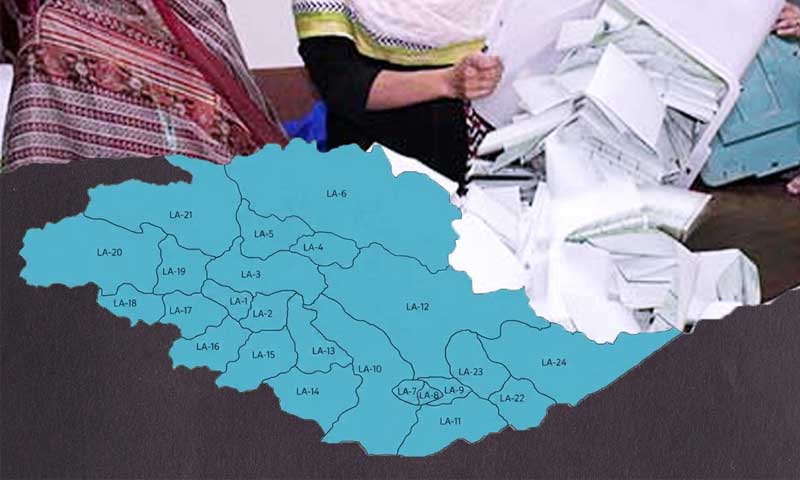
Nearly half the hands holding the voting cards in Gilgit-Baltistan (G-B) belong to women, yet, when the region heads to the polls on June 7, 2026, nearly half a million female voters will look at their ballots and find almost no women to vote for.
Out of 396 candidates battling across 24 constituencies, a staggering 98 per cent are men. In a region where women are increasingly driving the economy, healthcare, and education, the upcoming assembly elections expose a glaring democratic math problem: women constitute 47.4 per cent of the registered electorate but make up a mere two-percent of the candidate pool. While the high number of overall candidates signals vibrant political engagement on the surface, beneath it lies a stark democratic deficit. The message from the political landscape is clear: women are welcome to vote, but they are not expected to lead.
Party Tickets versus Independent Courage
Even more revealing is the breakdown of the eight breakthrough female candidates.
Rather than being lifted up by the region’s dominant political machines, the majority are fighting completely on their own. Only three women managed to secure official party nominations. The Pakistan People’s Party Parliamentarians (PPPP) fielded Aamna Ansari, the Istehkam-e-Pakistan Party gave a ticket to Jamila Khatoon, and the Pakistan Nazariati Party nominated Syeda Khalida.
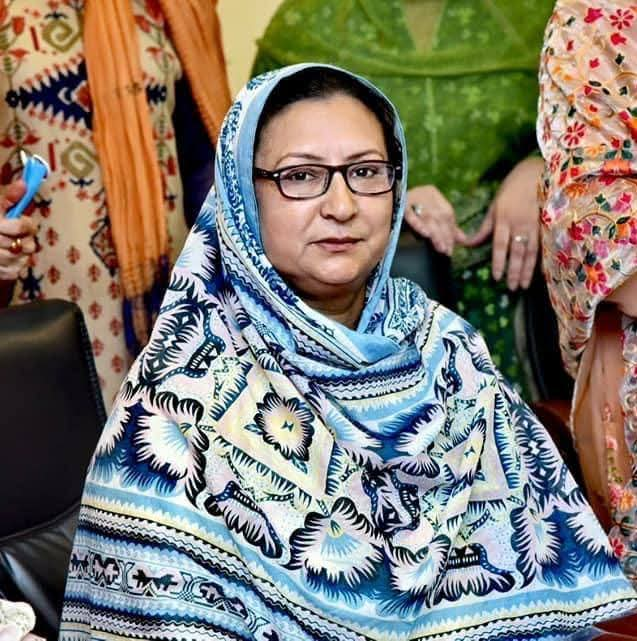
The remaining five women are contesting as independents, demonstrating remarkable courage by entering the fray without formal party structures, institutional financing, or systemic machinery.
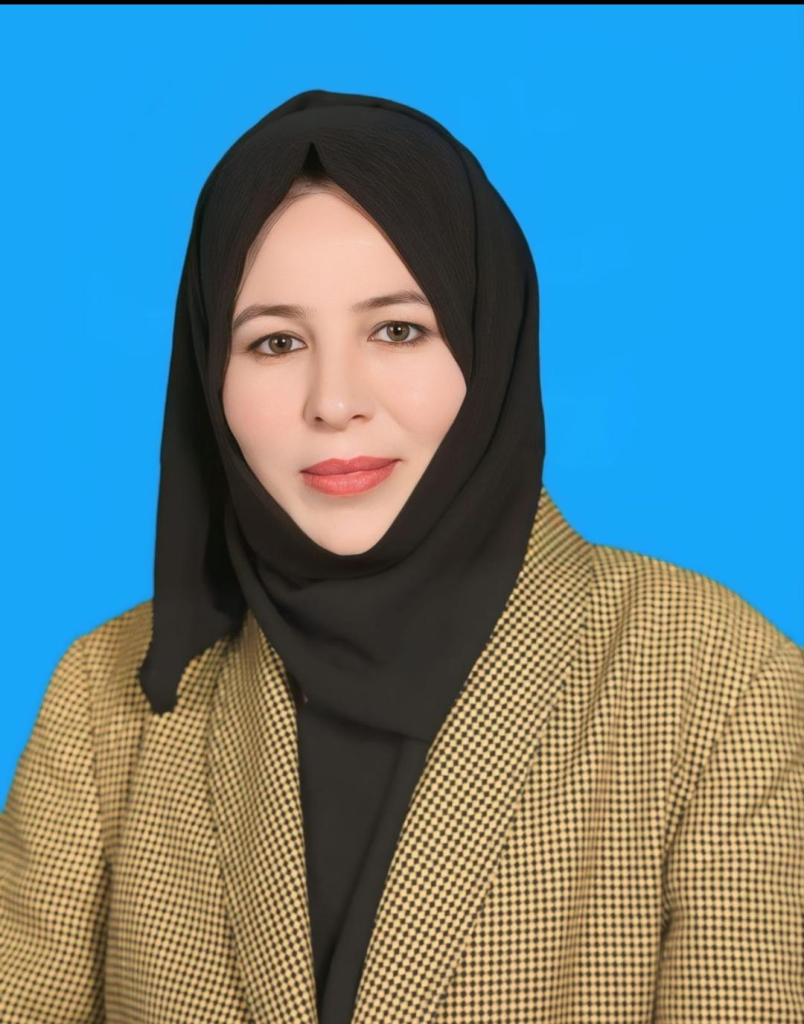
Notable names among them include Gulshad Bibi, who enjoys local support from Pakistan Muslim League-Nawaz (PMLN) , and Shahida Khurshid, backed by Pakistan Tehreek-e-Insaf (PTI).
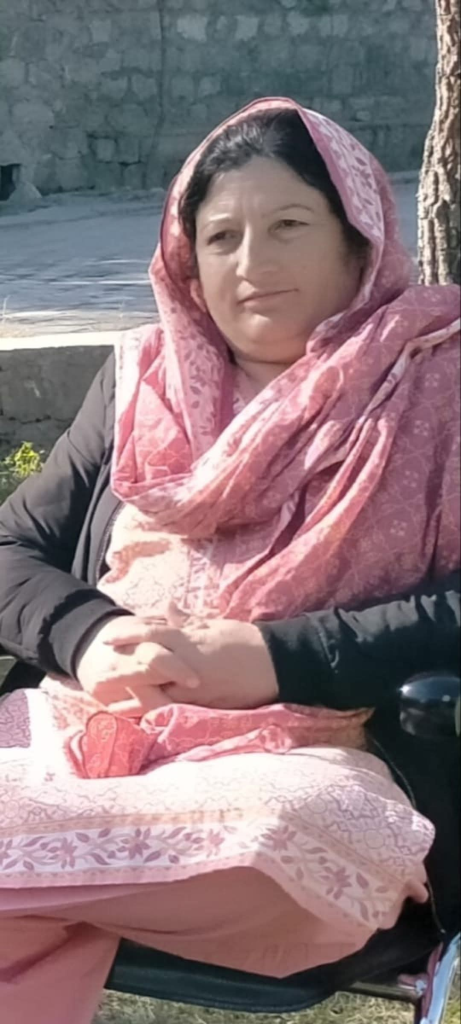
By relying on personal resolve and grassroots community networks rather than rigid party patronage, these independents are the ones truly challenging the status quo. Meanwhile, the mainstream political leadership has failed the test of gender inclusivity. PML-N fielded 22 candidates, PPPP 23, and IPP 15, yet women remain virtually absent from their official tickets. Religious and regional parties like Jamiat-e-Ulema Islam-F (JUI-F) and Majlis Wahdat-ul-Muslimeen (MWM) failed to nominate a single female candidate for a general seat.
Structural barriers and shrinking political space for women
The limited participation of women in G-B’s electoral politics reflects entrenched structural and societal barriers rather than coincidence. Conservative social norms, limited financial resources, lack of party mentorship, and persistent safety concerns continue to discourage women from entering the electoral arena.
In one such instance, JUI-F spokesperson Muhammad Aslam Ghauri said the party had awarded a ticket to a woman candidate, Samreen Nagri from Nagar, but her nomination papers were rejected for failing to meet the minimum age requirement, effectively ending her participation before the contest could begin.
Beyond procedural setbacks, he pointed to deeper cultural constraints shaping women’s political exclusion. “Cultural norms and tribal structures remain key obstacles in Gilgit-Baltistan,” he said, adding that similar patterns exist in other regions such as KP and Balochistan, where women, particularly in ‘rural’ areas, are rarely awarded party tickets.
He further noted that in some parts of KP, women are still not allowed to vote, stating, “Unfortunately, we have not yet been able to fix this culture.”
Even where political parties publicly endorse gender equality, that commitment often weakens when it comes to awarding tickets. While reserved seats exist, direct electoral contesting remains rare, leaving women who attempt to participate exposed to significant financial, procedural and social hurdles.
Similarly, PTI Senator Fauzia Arshad stressed PTI is supporting a female candidate in the elections, but stressed that patriarchal thinking remains the biggest barrier to women’s political participation. According to her, women are often allotted tickets in constituencies where parties already expect defeat, reflecting a broader structural issue in which electoral politics is shaped by financial strength and biradari (clan) networks across regions like G-B, KP and Balochistan.
Questions over fairness in the electoral process also remain central to the debate. Arshad said her party has not been provided a level playing field in G-B, alleging that conditions such as no-objection certificates (NOCs) were imposed on PTI leaders entering the region, while other parties faced no such restrictions.
The election has also highlighted the systemic exclusion of women from the electoral process in the Darel and Tangir tehsils of Diamer district.
Addressing a recent campaign rally in Darel, former chief minister Haji Gulber Khan declared that they would not allow women to vote, even if it cost him the election.
In these deeply conservative areas, rigid tribal and patriarchal norms routinely deny women their constitutional right to franchise. The Gilgit-Baltistan Election Commission’s inability to enforce mandatory voting rules in these tehsils has raised serious questions over its regulatory authority.
Token representation versus meaningful inclusion
Even where formal requirements are met, representation often remains limited in practice. PPP Gilgit-Baltistan Information Secretary Sadia Danish said that women’s representation across political parties remains restricted to the minimum quota of five per cent required by the election commission.
She clarified the PPP has complied with this requirement by awarding a ticket to a strong female candidate, but criticised other parties, including the PML-N, for failing to nominate even a single woman despite the quota. Stressing the need for substantive inclusion, she said women’s participation must go beyond “token compliance” and translate into meaningful political space.
A slow shift amid persistent constraints
As the elections approach, these overlapping challenges highlight a larger question about representation in G-B’s democratic process. Whether the next assembly will reflect nearly half its population, or continue to marginalise it, remains uncertain.
Amid these constraints, the presence of five independent women candidates stands out as a rare but significant challenge to entrenched political norms, signalling that participation, though limited, is still being actively contested on the ground.
Additional reporting by Basharat Hussain in Hunza