- WEB DESK
- October 6, 2026
US Congress deeply divided over emerging Iran ceasefire framework
-

- Sadia Basharat
- May 25, 2026
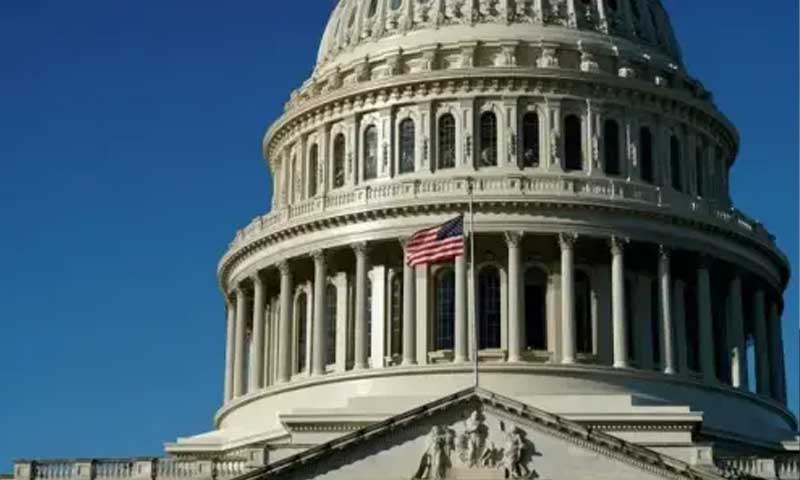
WEB DESK: An emerging diplomatic framework aimed at ending the conflict between the United States and Iran has sparked a fierce political divide in Washington.
The proposed arrangement, which remains unfinalised and subject to formal approval by both governments, has drawn sharp criticism from Republicans who warn of dangerous strategic concessions, while Democrats find themselves split over the merits of diplomacy versus enforcement risks, according to Dawn News.
The draft deal reportedly includes immediate steps to restore vital maritime traffic through the Strait of Hormuz and establishes a preliminary mechanism to address Iran’s stockpile of highly enriched uranium.
However, highly contentious core issues including long-term nuclear enrichment limits, ballistic missile capabilities, and the lifting of economic sanctions are expected to be deferred to subsequent rounds of negotiations.
Republican backlash over ‘concessions’
Senior Republican lawmakers have moved quickly to condemn the framework, arguing it risks squandering recent military gains.
Senator Roger Wicker, chairman of the Senate Armed Services Committee, warned that a rumored 60-day ceasefire based on the belief that Iran would engage in good faith would be “a disaster.”
He cautioned that the strategic impact of recent joint US–Israel military efforts, known as “Operation Epic Fury,” could be entirely undone if the deal proceeds.
This anxiety was echoed by Senator Lindsey Graham, who suggested that an early settlement could project American weakness, making Iran look like a dominant force that required a diplomatic solution rather than one that had been deterred.
Meanwhile, Senator Thom Tillis questioned the logic of allowing nuclear material to remain within Iran, noting that the diplomatic pivot seemed at odds with previous assurances from Defence Secretary Pete Hegseth that Iranian defences had been heavily degraded.
Further scepticism came from former Secretary of State Mike Pompeo, who drew parallels to past interim agreements that historically allowed Tehran to secure sanctions relief while delaying meaningful constraints on its nuclear programme.
Democratic cautious optimism and calls for de-escalation
In contrast, several Democrats have defended the push for a diplomatic resolution, highlighting the broader economic and humanitarian benefits of ending the hostilities.
Representative Ro Khanna voiced strong support for the negotiations, arguing that a finalized war could have prevented the recent spikes in global food and fuel prices, and affirmed his backing for a negotiated end to the conflict.
Other figures within the party adopted a more measured but supportive stance on engagement. Senator Chris Van Hollen urged lawmakers to give diplomacy a chance to halt the cycle of violence, dryly noting during a television interview that “when you are digging a hole, you should stop digging.”
Despite this, deep questions remain within the party regarding how any final agreement would be strictly enforced given the volatile history between the two nations.