- WEB DESK
- October 6, 2026
US denies visa to Iran FM ahead of key UNSC meeting
-

- Zafar Ali
- May 26, 2026
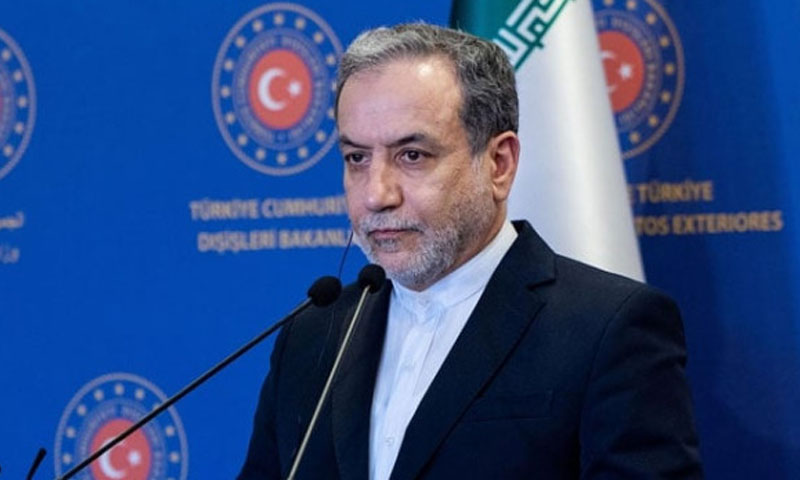
WASHINGTON: The United States has denied a visa to Iranian Foreign Minister Abbas Araghchi ahead of a high-level United Nations Security Council meeting this week, removing the possibility of a rare face-to-face interaction between senior US and Iranian officials at a time of heightened tensions in the Middle East.
The ministerial-level session, titled “Upholding the Purposes and Principles of the UN Charter and Strengthening the UN-Centred International System,” is being convened by China under its rotating presidency of the 15-member Security Council and will be chaired by Chinese Foreign Minister Wang Yi.
The debate comes as geopolitical rivalries, regional conflicts and questions over the effectiveness of multilateral institutions have intensified global diplomatic strains.
The meeting is expected to focus on reinforcing the authority of the United Nations, defending the principles of the UN Charter and promoting dialogue-based approaches to resolving international disputes.
According to Iran’s state-run IRNA news agency, Foreign Ministry spokesman Esmail Baqaei confirmed on Monday that Araghchi would not travel to New York “due to visa issues” after the United States refused to grant him entry for the meeting.
Diplomatic observers noted that Iran is not currently a member of the Security Council, meaning Araghchi had been invited to participate in the open debate as a guest of the Chinese presidency rather than as a council representative.
His absence has nonetheless eliminated the prospect of another direct encounter between senior Iranian and American officials at a delicate moment in bilateral relations, as efforts toward a possible understanding between Washington and Tehran appear to have slowed despite earlier indications of progress from both sides.
The United States, as host nation of the United Nations headquarters in New York, is generally obligated under international agreements to facilitate access for foreign officials attending UN meetings. Washington has, however, previously imposed restrictions or delayed visas for officials from adversarial states, particularly amid periods of diplomatic tension.
Chinese officials have described the Security Council debate as a response to what they called growing pressure on the international system amid escalating global instability and widening geopolitical divisions. Beijing has increasingly positioned itself as a defender of multilateral diplomacy and the UN-centred global order, while criticizing what it sees as unilateral actions by Western powers.
In a briefing last week, China’s UN mission said the session would underline concerns over “unprecedented challenges” facing the international system and emphasize the need to strengthen multilateral mechanisms and the authority of the Security Council.
Mohammad Ishaq Dar arrived in New York on Monday night to represent Pakistan at the meeting. Pakistani diplomatic sources said Dar is expected to reiterate Islamabad’s longstanding support for peaceful resolution of disputes through dialogue and within the framework of the UN Charter.
Pakistan is also expected to support China’s broader position on strengthening the role of the United Nations and promoting multilateral approaches to conflict resolution, the sources said.
During his visit, Dar is expected to hold bilateral meetings with several foreign ministers and senior UN officials on the sidelines of the session. He is also scheduled to attend a meeting of the China-backed Group of Friends on Global Governance.
The United States is expected to participate in the Security Council debate as a permanent member of the body, though it remains unclear whether U.S. Secretary of State Marco Rubio will attend in person or send a lower-level delegation.
The debate is taking place against the backdrop of continuing instability in the Middle East and renewed international concern over the future of diplomacy between Washington and Tehran, particularly over regional security issues and broader questions surrounding the international order.