
- Monis Siraj
- August 21, 2026
US, Iran eye return to Islamabad for second round of talks as ceasefire deadline nears, sources
-

- Zoya Anwer
- April 14, 2026
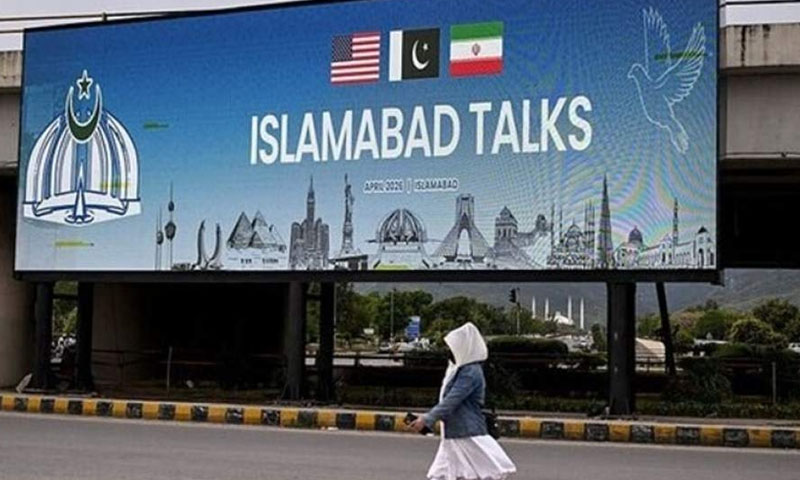
Negotiators from the United States and Iran may return to Islamabad later this week for a second round of talks, according to multiple diplomatic sources, following last weekend’s high-level engagement that ended without a breakthrough but kept dialogue alive.
The initial round, held in Islamabad, marked the most significant direct contact between Washington and Tehran in decades. Although both sides departed without a formal agreement, the absence of a collapse has left space for further negotiations.
Officials familiar with the process say discussions are underway to finalise dates, with both sides tentatively keeping the end of the week open. Pakistan has reached out to both capitals to coordinate logistics and encourage a swift return to the negotiating table.
Pakistan pushes for ceasefire extension
Alongside efforts to resume talks, securing an extension of the fragile ceasefire remains a top priority. The truce, brokered earlier this month after weeks of escalating tensions, is due to expire on April 22 and is increasingly seen as vulnerable.
Prime Minister Shehbaz Sharif told the federal cabinet that while the ceasefire is under pressure, it continues to hold. He emphasised that Pakistan is actively working to resolve outstanding issues and maintain the momentum generated by the initial talks.
Diplomatic intermediaries are reportedly urging both sides to extend the truce by at least 45 days, allowing additional time for negotiations and reducing the risk of renewed confrontation.
Key differences remain unresolved
Despite a willingness to continue engagement, significant gaps persist between the two sides. The United States has maintained firm demands regarding oversight of Iran’s nuclear programme, including strict verification mechanisms and control over enriched uranium.
Iran, on the other hand, has pushed back against what it describes as excessive demands, insisting that any agreement must respect its rights under international law and include meaningful sanctions relief.
Disagreements over sequencing have further complicated progress. Washington is seeking initial concessions from Tehran, while Iran has called for guarantees and confidence-building measures before taking irreversible steps.
Sharp rhetoric from Washington and Tehran
Public statements from both sides underline the challenges ahead. US Vice President JD Vance said Washington had presented its “final and best offer,” adding that the responsibility now lies with Tehran to respond.
US President Donald Trump also signalled that communication channels remain open, claiming Iranian representatives had reached out following the talks.
Iranian officials, however, have criticised the US position. President Masoud Pezeshkian reiterated that Tehran would continue negotiations within the framework of international law, while Foreign Minister Abbas Araghchi accused Washington of imposing unrealistic conditions that hinder progress.
Global efforts to sustain talks
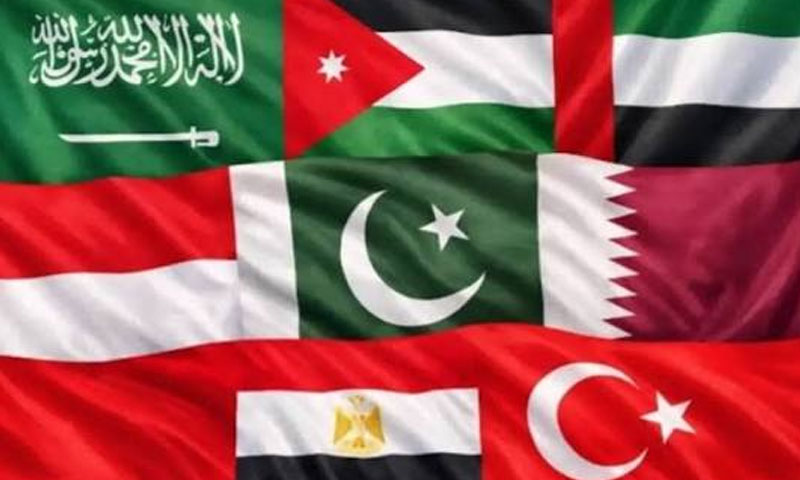
In the aftermath of the Islamabad meeting, Pakistan has intensified diplomatic outreach to build international support for the process. Foreign Minister Ishaq Dar has held discussions with counterparts from major capitals, including China, the United Kingdom, Saudi Arabia, Turkiye and Egypt, urging all parties to uphold the ceasefire and prioritise dialogue.
These engagements have helped form a broad, informal consensus aimed at keeping negotiations on track and preventing escalation before the looming deadline.
Meanwhile, other global players are also engaging with the crisis. Russia has indicated a willingness to play a role in a potential agreement, including offering to hold Iran’s enriched uranium under international arrangements.
Venue and next steps under discussion
While both sides have agreed in principle to continue talks, questions remain over the format and location of the next round. Iran is said to favour Islamabad, citing familiarity and confidence in Pakistan’s mediation role, whereas the United States is considering alternative venues.
Despite these differences, diplomats believe the choice of location is unlikely to derail progress if substantive movement is achieved on key issues.
With time running short and tensions still simmering, the coming days are expected to be critical in determining whether diplomacy can hold or whether the fragile ceasefire will give way to renewed conflict.