
- WEB DESK
- October 24, 2026
US, Iran set to resume indirect talks after Khamenei funeral
-

- Sadia Basharat
- July 3, 2026
WEB DESK: The next round of indirect talks between the United States and Iran is expected to take place after the funeral ceremonies of Iran’s late Supreme Leader Ali Khamenei, although significant disagreements remain over key regional and security issues.
Pakistan’s foreign ministry said both sides had agreed to continue diplomatic engagement, with the next meeting to be scheduled “at the earliest possible time” following the conclusion of the funeral processions. The talks are being facilitated through indirect channels as efforts continue to reduce tensions in the Middle East.
Funeral preparations under way
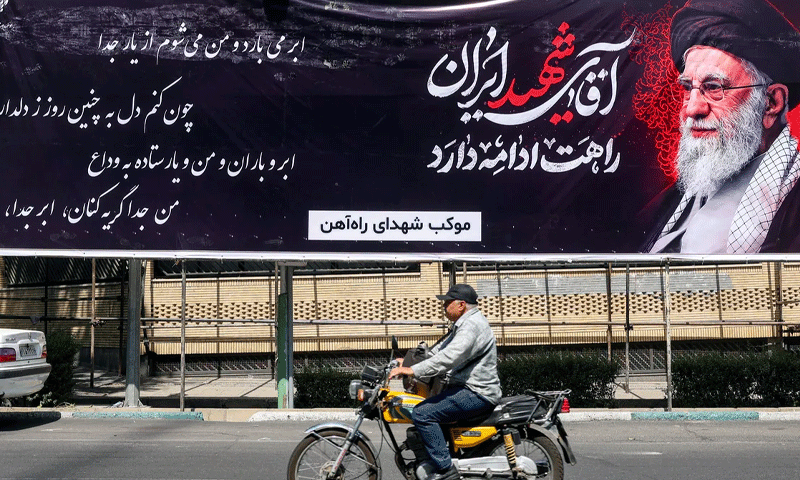
Iranian Foreign Ministry spokesman Esmaeil Baghaei said on Thursday that officials from more than 100 countries, including heads of state, parliament speakers, foreign ministers and special envoys, would attend the funeral ceremonies.
According to Iranian state media, public tribute ceremonies will begin in Tehran on Friday morning, followed by official events attended by foreign dignitaries later in the day. Authorities have declared Thursday a national day of mourning and announced public closures in Tehran from Saturday until Tuesday.
Ali Khamenei was assassinated in a joint US-Israeli strike in Tehran on February 28. His son, Mojtaba Khamenei, was appointed as Iran’s new supreme leader in March. An Iranian military commander also warned the United States and Israel against launching any further attacks as the country prepares for the state funeral.
US President Donald Trump said on Thursday that negotiations with Iran were progressing, telling CNBC he believed Tehran had agreed to “just about everything we need”.
Disputes continue over regional issues
Despite the positive rhetoric, substantial differences remain over several issues that analysts say are preventing negotiations from advancing to a more comprehensive stage.
One major point of contention is the proposed US security arrangement for Lebanon. Tehran argues that the plan, which does not require Israel to immediately withdraw from southern Lebanon or halt military strikes, undermines the basis of the existing memorandum of understanding.
The two sides also remain divided over navigation through the Strait of Hormuz. Washington has continued to promote alternative shipping routes, while Iran insists that any arrangements must recognise its authority over the strategic waterway and rejects parallel routes established without its approval.
Another unresolved issue concerns Iran’s frozen assets. Tehran has called for a phased release of funds that would be transferred directly to the Central Bank of Iran and made fully accessible. The United States, however, has maintained that any release should remain linked to Iran’s compliance with agreed commitments and prioritise humanitarian purposes.
Analysts said these disputes continue to hinder progress in the indirect negotiations. Li Zixin, an assistant research fellow at the China Institute of International Studies, told China Media Group that the recent Doha talks showed Iran was focused on ensuring implementation of preliminary understandings rather than moving immediately to technical negotiations, with Tehran expecting Washington to fulfil its commitments first.