
- Farah Mehjabeen
- October 26, 2026
Weekly inflation slips 0.56pc, but year-on-year pressures persist: PBS
-

- Zoya Anwer
- June 5, 2026
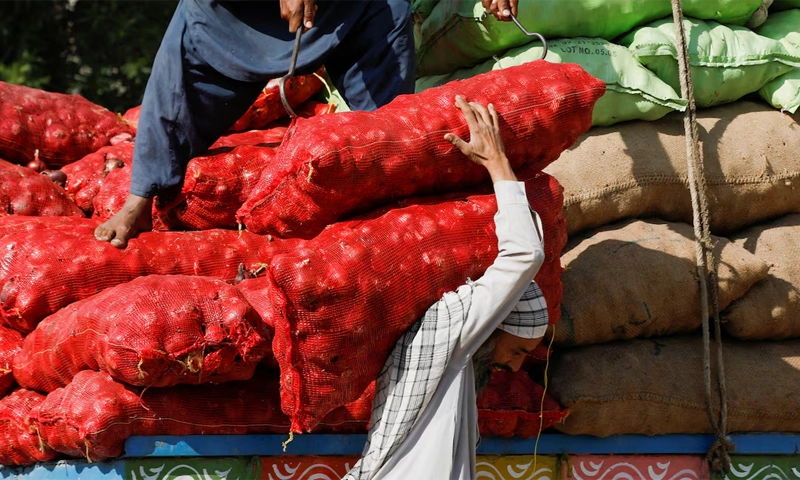
ISLAMABAD: Inflation showed a slight weekly decline of 0.56 per cent, according to the latest data released by the Pakistan Bureau of Statistics (PBS), although the broader year-on-year trend continues to reflect sustained price pressures across essential commodities.
Weekly inflation shows mixed price movement
The PBS weekly report showed that 22 essential items became more expensive over the week, while 10 recorded a decline in prices, indicating a mixed inflationary trend in the short term.
Among the major increases, onions rose by 28.16 per cent and potatoes by 21.91 per cent in a single week. Tomatoes saw a 9.56 per cent increase, while bananas rose by 1.20 per cent. Prices of vegetable ghee increased by 0.91 per cent, while fresh milk and wheat flour rose by 0.61 per cent and 0.59 per cent respectively. Soap, yogurt and cigarettes were also among the items that became costlier during the week.
Relief in select food and fuel items
Despite pressure on food prices, some commodities recorded declines. Chicken prices fell by 9.48 per cent, while garlic became cheaper by 9.13 per cent over the week.
Fuel prices also eased, with diesel dropping by 7.01 per cent and petrol by 6.80 per cent. Prices of gram pulse and moong dal also declined slightly by 0.38 per cent and 0.34 per cent respectively. Mustard oil, lentils, beef and firewood were also among the items that recorded decreases.
Sharp annual inflation persists in key sectors
On a year-on-year basis, inflationary pressures remain significantly high. Onion prices have surged by 100.68 per cent, while wheat flour has increased by 59.88 per cent compared to last year.
Energy-related costs have also seen sharp increases, with electricity prices rising by 59.40 per cent annually. LPG prices are up by 57.09 per cent, while petrol has increased by 50.60 per cent, according to the PBS data.
The overall figures highlight continued volatility in essential commodities, with short-term relief failing to offset sustained annual inflation in food and energy sectors.
You May Also Like