
- Reuters
- October 25, 2026
Woman of Kashmir origin challenges citizenship denial in PHC
-

- Tariq Waheed
- April 15, 2026
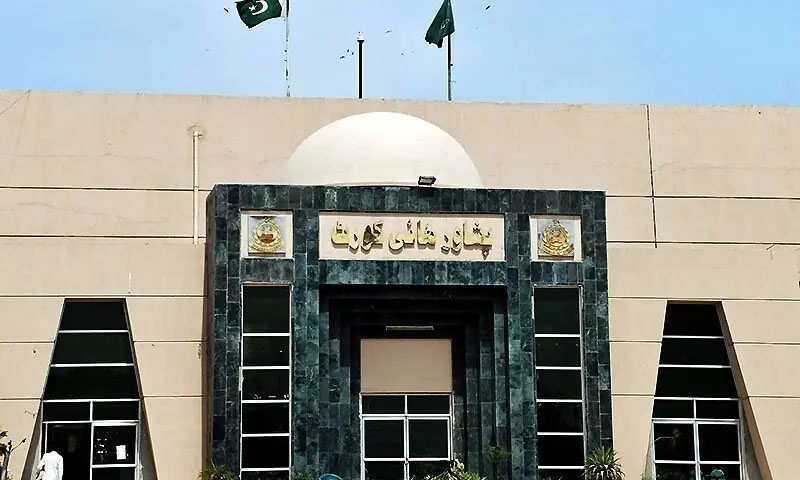
PESHAWAR: A woman of Jammu and Kashmir origin has filed a petition in the Peshawar High Court challenging the denial of Pakistani nationality despite pursuing multiple legal avenues.
The petitioner has contended that her grandfather and other paternal relatives migrated to Pakistan after the 1947 partition, while her father remained in Jammu and Kashmir.
She said that she married a Pakistani national in 2009 and has two children who are Pakistani citizens. She said that she is entitled to the citizenship under the Pakistan Citizenship Act, 1951.
Despite this, she said, she has been denied citizenship for nearly 19 years, with no decision taken on her application, including under Section 7 of the law.
The petitioner said that she approached the Ministry of Interior seeking nationality and expressed willingness to renounce her previous citizenship, but her application remained pending.
The plea said that her passport was taken by authorities in 2017 during the processing of her application and has not been returned, leaving her without valid identification to renew her visa or prove her legal status.
The petitioner said that she has since been living in Peshawar without a CNIC or passport, facing difficulties in accessing basic services requiring identification.
She further alleged that a local Union Council refused to register her marriage on the grounds that it was solemnised in Jammu and Kashmir.
Her counsel, Advocate Mehwish Muhib Kakakhel, argued that the prolonged delay violates fundamental rights, including equality before law and the right to family life.
After a preliminary hearing, PHC Judge Justice Waqar Ahmed issued notices to the Ministry of Interior, the federal government, the NADRA and other authorities, seeking their responses.
The court also directed the officials concerned to return the petitioner’s passport as an interim measure, observing that she could not be left without identity documents.
Legal experts say the case could have wider implications for citizenship law, particularly in cases involving marriage, descent and administrative delays.
You May Also Like
- WEB DESK
- October 25, 2026
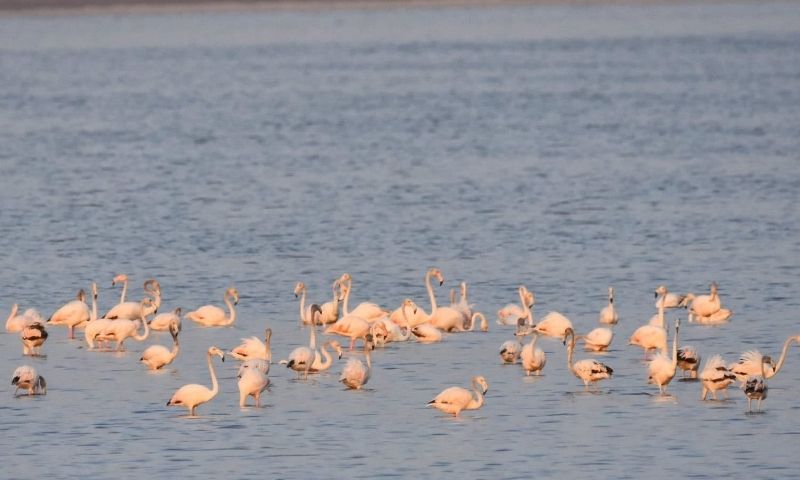
Maryam Nawaz hails flamingo revival at Uchali Lake
- WEB DESK
- October 25, 2026