
- Web
- Feb 15, 2026
Harmal herb of Swabi: Superstition or magic medicine?
-

- Syeda Masooma
- Jan 07, 2025
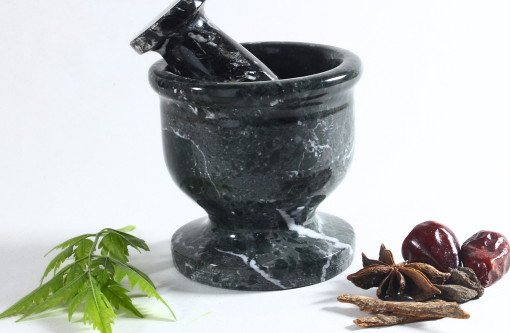
SWABI: While the belief that herbs can be used as medicinal cures, and the concept of evil eye itself are often considered to be mere superstitions, one particular herb’s popularity as the cure for evil eye persists against all odds in Khyber Pakhtunkhwa’s Swabi.
Also read: Jemima Goldsmith injured in hiking accident
The local herb ‘Harmal’ is commonly used to ward off the evil eye in this city. HUM News’ reporter Ayub Khan delves deeper into this traditional belief that has endured through the ages.

Also known as Syrian rue, Wild rue or Harmala, Harmal is a perennial plant of African origin but these days it’s mostly grown in the Middle East and in parts of South Asia, including Pakistan. It grows to about one foot in height, but some plants may grow as tall as 2.5 feet. The seeds of this plant have traditionally been used for pain relief and for their digestive properties.
More interestingly, all parts of the plant – leaves, seeds and fruit – are considered toxic, although not severely.

Here in Swabi, Harmal is used as a remedy to ward off the evil eye. It is burnt in tin or steel containers and the smoke emerging from it is then either inhaled by the people or is spread with hand movement in a house or a place that is meant to be protected from evil eye.
A citizen of Swabi spoke to HUM News, saying “Harmal smoke is quite famous and the herb is present in every house here. When someone gets the evil eye or has any other related problem, the people here smoke Harmal.”
Another person, purchasing Harmal from the pansaari shop said, “Harmal is a good thing. Most people use it to ward off the evil eye of children or to ward off the evil eye in houses and shops. It also smells very good.”
A seller of the herb shared with HUM News that while the herb is effective even if used on its own, but sometimes people add Frankincense – hardened gum-like material or resin that comes from the trunk of the Boswellia tree – to the herb to increase its effectiveness.

In addition to being a choice of a fragrant herb that also offers ‘protection,’ Harmal has also become a source of livelihood for several people in the region. The sowing, reaping, preparation, packing and selling are all jobs employing different people in the city.
Also read: Plastic pollution and climate crisis — can Pakistan turn the tide?
Whether the herb can truly yield the benefits of protection or not, its continued popularity among the denizens of Swabi defies all claims of the practice being superstitious. As long as the belief persists in its effectiveness, Harmal will continue to be sowed and sold on the streets of Swabi.
You May Also Like