- Web Desk
- Yesterday
IMF and Pakistan seal $7 billion deal
-

- Web Desk
- Jul 13, 2024
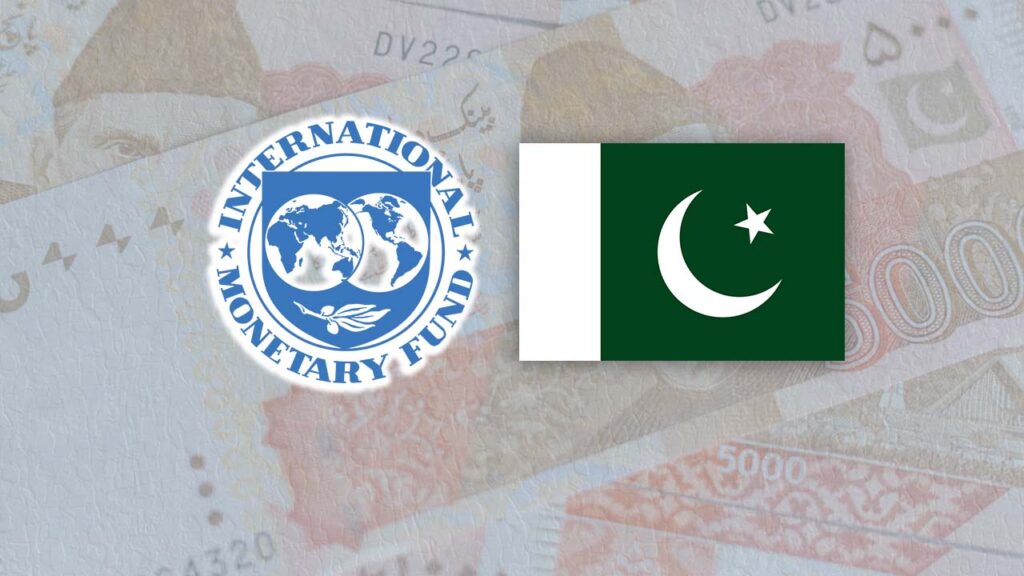
Islamabad: The International Monetary Fund (IMF) announced the conclusion of a staff-level agreement with Pakistan, valued at approximately $7 billion on Saturday.
Negotiations between the Ministry of Finance and the IMF took place from May 13 to 23. The IMF also demanded that the government increase tax revenue by 1.5 per cent.
Read more: Provinces agree to IMF demand for enhanced agricultural tax
Under the Extended Fund Facility Program spanning 37 months, the agreement is contingent upon approval by the IMF Executive Board. Pakistan must secure financing assurances from its financial partners.
The declaration stipulates that the government must enhance tax revenue by 1.5 per cent, broadening tax coverage to include retail, export, and agriculture sectors. Provinces are urged to bolster tax collection from their own resources.
The government is also required to increase service sales tax and agricultural income tax, while resolving legal complexities before January 1, 2025. Allocations for the Benazir Income Support Programme, education, and healthcare budgets also need to be augmented.
PAkistan has been gaing a free-fall inflation exacerbated by chronic mismanagement, the Covid-19 pandemic, fallout from the Ukraine conflict, supply chain disruptions causing inflation, and severe 2022 flooding. With dwindling foreign reserves and mounting debt, Pakistan sought its first emergency IMF loan in 2023.
In return for the aid, Pakistan was forced to commit to extensive reforms, including expanding its tax base. Despite a population exceeding 240 million, only 5.2 million filed income tax returns in 2022.
The government is now aiming to substantially boost tax revenues in the 2024-2025 fiscal year, targeting nearly $46 billion. This would mean a 40 per cent increase from the previous year.
The IMF’s plan is focused on bettering fiscal stability, reducing inflation, rebuilding external reserves, and addressing economic distortions to spur private sector-led growth. Key measures include simplifying direct and indirect taxation, integrating untaxed sectors like retail, export, and agriculture into the tax system, and redistributing spending between federal and provincial governments under the ‘National Fiscal Pact’.
The reforms also concentrate on improving the power sector’s viability through tariff adjustments, reducing losses, optimising state-owned enterprises, prioritising profitable entities for privatisation, and phasing out subsidies to special economic zones and agriculture.
Read more: Staff-level agreement with IMF expected within two weeks
The government also committed to governance reforms, transparency initiatives, gradual trade policy market liberalisation, and anti-corruption measures.
The IMF aid package is aimed at stabilising Pakistan’s economy and laying the groundwork for sustainable growth by addressing structural weaknesses.
You May Also Like