- Reuters
- September 16, 2026
Nepal PM Oli resigns amid spiralling anti-corruption protests
-

- Reuters
- September 9, 2025
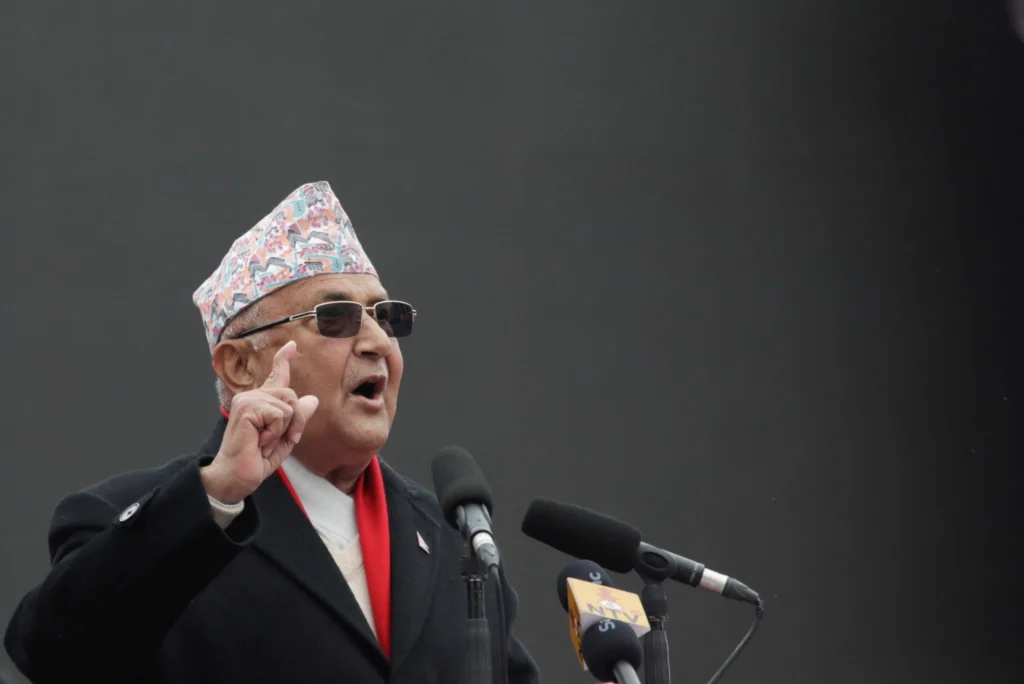
KATHMANDU: Nepal plunged deeper into political turmoil on Tuesday after Prime Minister K.P. Sharma Oli resigned, following days of anti-corruption protests that defied an indefinite curfew and left 19 people dead.
Oli’s aide, Prakash Silwal, confirmed to Reuters that the embattled leader submitted his resignation hours after security forces struggled to contain surging crowds in Kathmandu and other major towns. The protests, some of the largest in decades, erupted after the government abruptly imposed a ban on social media platforms, a move critics said was designed to stifle dissent.
The ban backfired, triggering widespread unrest on Monday when demonstrators attempted to storm parliament. Police responded with rubber bullets and tear gas, sparking clashes that killed 19 and injured more than 100. Facing mounting anger, the government lifted the ban late Monday night, but the damage was already done.
Only 6pc of gen Z actually favour dictatorship – not half, as some reports would have you believe
“The PM has quit,” Silwal said, describing the decision as unavoidable amid mounting political and public pressure. Oli’s resignation has once again thrown the Himalayan nation, wedged strategically between India and China, into uncertainty. Since the abolition of its monarchy in 2008, Nepal has endured chronic political instability, frequent changes of government, and a fragile economy struggling to provide jobs and services for its citizens.

Earlier on Tuesday, Oli convened an emergency meeting with leaders of all political parties, urging dialogue and restraint. “Violence is not in the interest of the nation,” he said. “We must find peaceful solutions through dialogue.” But his appeal fell flat, with protesters continuing to gather across Kathmandu in open defiance of the curfew.
Ishiba’s resignation plunges Japan back into political uncertainty
Scenes of unrest filled the capital as demonstrators hurled stones at police in riot gear, set tyres ablaze on major roads, and filled the air with thick black smoke. Videos circulating online showed protesters chasing officers through narrow alleyways, while onlookers filmed the confrontations with their mobile phones.
Reports also emerged of protesters targeting the homes of politicians. Local media said several ministers had to be evacuated by military helicopters as their residences came under attack. Reuters could not independently verify these accounts.
The unrest has also disrupted daily life. Nepal’s Civil Aviation Authority reported that arrivals at Kathmandu’s Tribhuvan International Airport were halted on Tuesday due to heavy smoke from nearby fires, reducing visibility.
Judge blocks Trump deportations of Hondurans, Nepalese, Nicaraguans
Despite the dangers, protesters expressed determination to continue. “We are still standing here for our future,” said Robin Sreshtha, a young demonstrator. “We want this country corruption-free so that everyone can easily access education, hospitals, and medical facilities for a brighter future.”
The protests, branded by organisers as “demonstrations by Gen Z,” have spread beyond Kathmandu to towns across Nepal. Many of the participants are young people frustrated by a lack of jobs, slow economic growth, and persistent corruption scandals. Groups from towns along the India-Nepal border were also reported to be marching towards the capital to support the movement.
With Oli’s resignation, Nepal now faces the challenge of forming a new government while navigating the demands of a restless population. For many protesters, the prime minister’s departure is only the beginning of a wider push for accountability, transparency, and reform.
Read next: Prince Hisahito might be last emperor of Japan, unless…